TL;DR

Get garden gear delivered free with Prime
- Fast, free delivery on millions of items
- Prime Video, Amazon Music and more included
- Member-only deals all year
A Gardening Know How report describes three November tasks recommended by a professional gardener with more than 20 years of experience: shorten tall, wind-exposed canes, remove fallen and diseased leaves, and mulch vulnerable roses in cold regions. The advice is presented as general guidance; the right winter protection depends on the rose and local conditions.
Gardening Know How has published November advice for rose care from a professional gardener with more than 20 years of experience, recommending three protective jobs: shorten tall canes that could be rocked by wind, clear fallen and diseased leaves, and mulch vulnerable plants in colder areas. The guidance focuses on reducing winter damage and disease risks, rather than carrying out a major seasonal pruning.
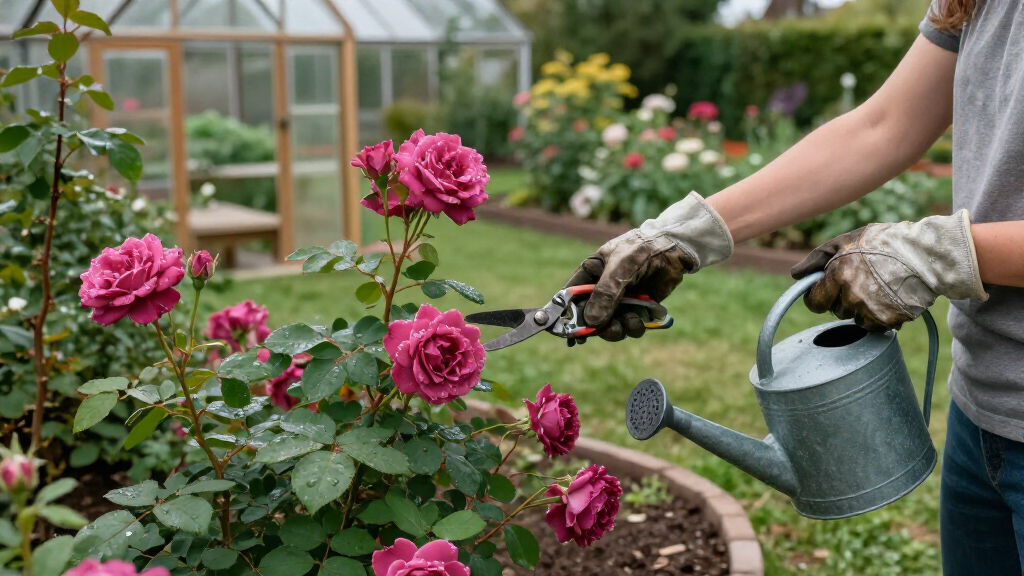
The gardener’s first recommendation is to trim only excessively tall or unruly canes that might catch strong winds. He warns that vigorous movement can rock a rose in the ground, disturb its roots and leave a gap around the base where water may collect, freeze and contribute to rot. The report describes this as a protective trim, not a full reshaping of the shrub.
The second task is to remove fallen leaves and diseased foliage from around the plant. The article names black spot, rust and powdery mildew as fungal problems that can persist on infected plant material. Clearing that material, and disposing of it appropriately, can reduce what remains near the roses over winter, according to the report.
For roses exposed to cold, the gardener recommends mounding mulch around the base to help protect the crown and graft union. The article says repeated freezing and thawing can harm exposed roots or push plants out of the ground. It also cautions that not every rose needs identical treatment, and does not present mulching as a universal prescription for every climate or variety.
Three Tasks Before Winter Sets In
The recommendations address separate seasonal risks: wind movement, disease-carrying debris and temperature swings. Together, the jobs offer rose growers a practical checklist before colder weather, while distinguishing basic cleanup and protection from heavier pruning.
The advice may be useful to gardeners deciding what to do during November, but the source does not give a region-specific schedule or detailed instructions for every rose type. Its own caveat—that plants need different levels of protection—matters: local weather, the variety and whether a rose is grafted can affect what is appropriate. Readers should treat the checklist as general guidance, not a guarantee that plants will avoid winter damage.
Products Worth Considering

Ninja CREAMi Scoop & Swirl 13-in-1 Ice Cream and Soft Serve Maker, NC701

Ninja CREAMi 7-in-1 Ice Cream Maker, NC299AMZ

Philips 3300 Series Fully Automatic Espresso Machine with Milk Frother, Grinder, Hot and Iced Coffee Presets, SilentBrew, 15-Bar Pressure (E
As an affiliate, we earn on qualifying purchases.
Why November Care Differs
The article is written by the gardener’s wife and draws on his more than two decades of experience caring for gardens and roses. It says he favors avoiding major rose pruning in November, instead reserving structural pruning for late winter or early spring after the harshest cold has passed. That timing is presented as his advice, not as a rule supported by a cited study or gardening authority.
The writer also notes that she grows tougher, more wildlife-friendly roses, including Rosa rugosa, while her husband has been reluctant to add hybrid roses to their garden. This personal detail underscores that the recommendations come from an individual gardener’s practice. The report offers no controlled comparison of techniques or data on how much each task reduces damage or disease.
Local Conditions Shape Rose Care
The report does not specify which climate zones its November timing applies to, how deep a mulch mound should be, or which materials are best for particular soils and rose varieties. It also does not identify the gardener by name or provide independent expert review. The potential disease and winter-damage effects are described as the gardener’s rationale; the article supplies no measurements or trial results.
It remains unclear how the advice should be adapted for different rose groups, including plants that are not grafted, or for areas with mild winters. The source’s warning that treatment should vary by rose is the main qualification, but it does not offer a variety-by-variety guide.
Check Roses as Cold Weather Nears
The article gives no announced follow-up or research milestone. For gardeners applying its advice, the next step is to check local forecasts and assess each plant: trim only growth that is vulnerable to wind, clear fallen or visibly diseased leaves, and consider mulch where cold conditions put the crown or graft union at risk.
The report recommends leaving major structural pruning until late winter or early spring, after the harshest cold has passed. It does not set a date for that work, so readers will need to account for their local climate and the condition of their roses.
Key Questions
What three rose-care tasks does the report recommend for November?
It recommends shortening excessively tall canes, removing fallen and diseased leaves, and mounding mulch around vulnerable roses in colder regions.
Does the advice call for pruning roses heavily in November?
No. The gardener describes the cane trim as protective rather than structural and advises saving major pruning for late winter or early spring, after the worst cold has passed.
Why remove leaves around roses?
The article says infected plant material can carry fungal diseases such as black spot, rust and powdery mildew through winter. Clearing it may reduce disease-carrying material left near the plants.
Do all roses need a mound of mulch?
The report does not say that every rose does. It recommends mulch for vulnerable roses in colder regions and says treatment should vary by plant and conditions.
Source: gardeningknowhow.com