Climate change and droughts can drastically reduce chia yields by damaging soil health, causing erosion, and depleting nutrients. Water scarcity weakens plants’ defenses, making them more vulnerable to pests and diseases, which can lower crop quality and quantity. Unpredictable rainfall affects planting schedules and irrigation efforts, making drought conditions even harder to manage. To understand how these factors intertwine and what solutions exist, keep exploring this complex issue further.

Get garden gear delivered free — and shop member deals
- Fast, free delivery on millions of items
- Access to Prime Big Deal Days deals on October 6–7
- Prime Video, Amazon Music and more included
Key Takeaways
- Drought reduces soil moisture, impairing chia plant growth and leading to lower yields.
- Water scarcity weakens plant defenses, increasing vulnerability to pests and diseases that diminish crop productivity.
- Soil erosion caused by drought strips nutrients, degrading soil health and negatively impacting seed quality.
- Unpredictable rainfall and drought conditions disrupt planting schedules, resulting in suboptimal harvests.
- Climate change intensifies drought frequency, exacerbating challenges in water management and sustainable chia cultivation.
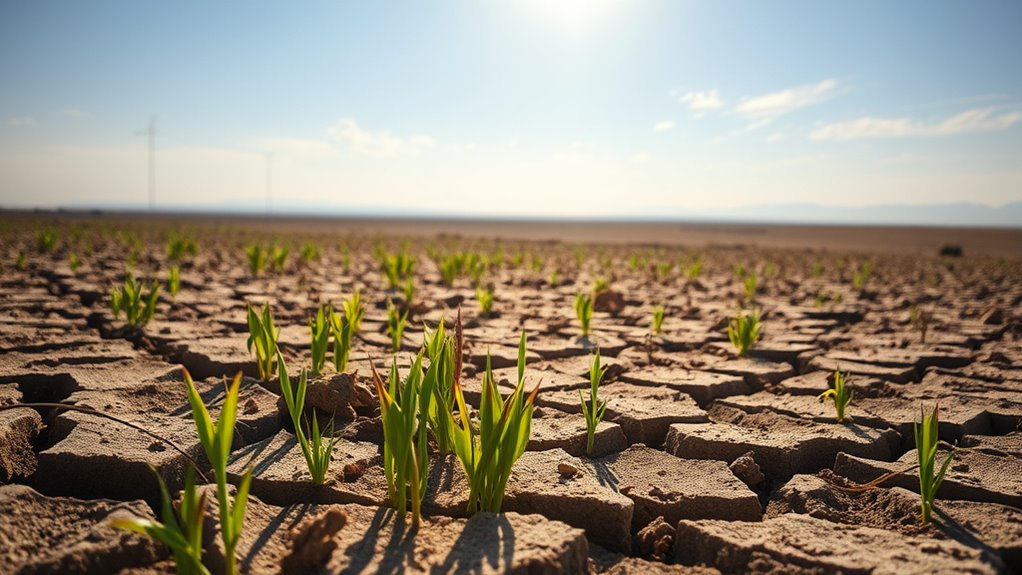
As climate change accelerates, drought conditions are increasingly affecting chia farmers around the world. These prolonged dry spells not only reduce soil moisture but also heighten the risk of soil erosion, which can devastate chia crops. When the land becomes parched, wind and water easily carry away the topsoil, stripping away nutrients essential for healthy plant growth. Without healthy soil, chia plants struggle to develop strong roots, leading to lower yields and compromised seed quality. This loss of soil integrity makes it harder for farmers to maintain sustainable cultivation practices, forcing them to invest more in soil conservation methods like cover cropping or erosion barriers, which may not always be feasible in drought-prone regions.
Drought stress also influences pest resistance in chia plants. Under these harsh conditions, plants become more vulnerable to pests and diseases because their natural defenses weaken. When water is scarce, plants divert energy from growth and reproduction to survival, leaving them less equipped to fend off pests. Consequently, infestations can spread rapidly, damaging entire fields and further reducing harvests. Farmers often find themselves caught in a cycle where drought weakens plants’ defenses, leading to increased pesticide use, which can harm the environment and add to production costs. Additionally, the combination of drought and pest pressure can cause unpredictable yields, making it difficult for farmers to plan and manage their crops effectively.
The impact of climate change isn’t limited to soil erosion and pest resistance; it also affects planting schedules. Unpredictable rainfall patterns make it challenging to determine ideal planting times, which can result in missed growing windows or suboptimal harvests. Farmers may have to plant earlier or later than usual, risking exposure to unexpected droughts or frosts that further threaten crop development. As drought severity persists, irrigation becomes more critical, yet water scarcity makes it harder to sustain consistent watering practices. This scarcity forces farmers to make tough decisions about resource allocation, often sacrificing crop health and yield potential. Furthermore, climate variability complicates predictive planning, requiring farmers to adapt quickly to changing conditions.
Frequently Asked Questions
How Can Farmers Mitigate Drought Effects on Chia Crops?
To mitigate drought effects on your chia crops, focus on water conservation by implementing efficient irrigation systems like drip irrigation. Diversify your crops to reduce reliance on chia alone, which helps manage risks during droughts. Additionally, mulching retains soil moisture, and selecting drought-resistant chia varieties can improve resilience. These strategies help preserve water, protect your yields, and ensure more stable production despite changing climate conditions.
Are There Drought-Resistant Chia Varieties Available?
Yes, drought-tolerant chia varieties are available. You can explore options developed through resilience breeding, which enhances drought resistance and overall crop resilience. These varieties are specifically bred to withstand water stress, helping you maintain yields during drought conditions. Incorporating drought-tolerant chia varieties into your farming practices can markedly reduce vulnerability to climate variability, ensuring more stable production and better adaptation to changing environmental conditions.
What Role Do Soil Health and Conservation Play in Drought Resilience?
A healthy soil is the foundation of resilience. You play a key role in preventing soil degradation by adopting conservation practices. Healthy soils boost microbial diversity, which improves water retention and nutrient availability, helping chia plants withstand drought. Remember, “A stitch in time saves nine.” By maintaining soil health and conservation, you enhance drought resilience, ensuring your chia crops stay productive even during tough conditions.
How Does Climate Change Influence Chia Seed Nutritional Quality?
Climate change impacts chia seed nutritional quality by altering seed composition and compromising nutritional integrity. You might notice changes in omega-3 fatty acids, antioxidants, and fiber levels, which can decrease the health benefits you seek. As temperatures rise and droughts intensify, plants struggle to develop ideal seed profiles. To maintain seed quality, focus on sustainable farming practices that support resilient soil health and adapt to changing climate conditions.
Can Irrigation Techniques Improve Chia Yield Stability During Droughts?
Irrigation techniques like drip irrigation can be your lifeline during droughts, helping you stabilize chia yields like a steadfast anchor in stormy seas. By delivering water directly to the roots, you conserve water and make certain of consistent growth even when rainfall falters. This targeted approach minimizes wastage and boosts crop resilience, making your chia plants less vulnerable to dry spells and climate uncertainties.
Conclusion
As climate change and drought continue to threaten chia crops, the future remains uncertain. Will farmers adapt in time, or will yields plummet further? The changing climate holds secrets that could reshape your harvests and your livelihood. One thing is clear: your next move could determine whether chia remains a thriving crop or becomes a distant memory. Stay alert, because what happens next could change everything you thought you knew about farming.
Fall Picks
fall essentials
As an affiliate, we earn on qualifying purchases.