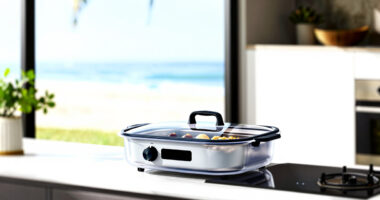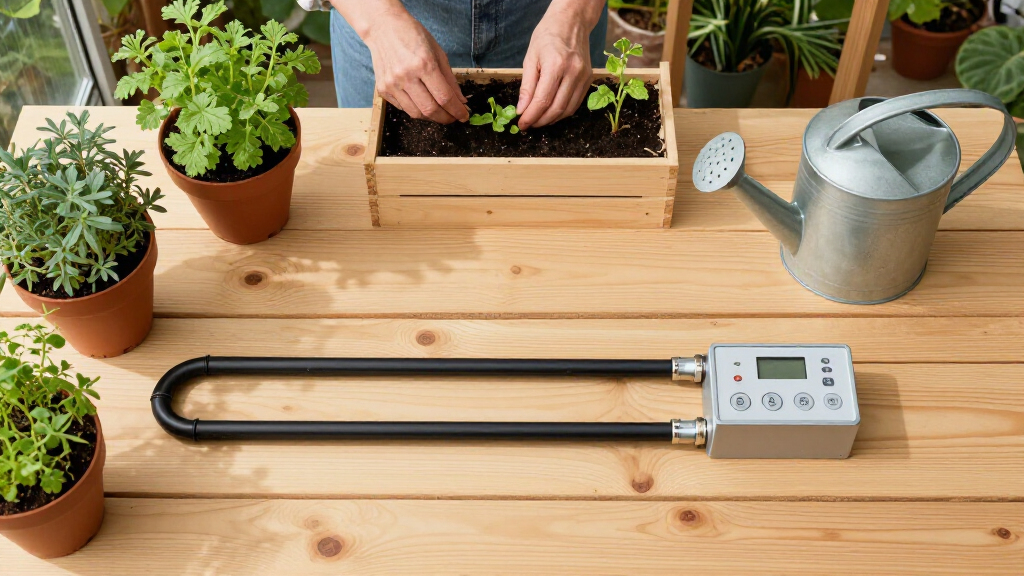
Choosing among garden greenhouse heating systems mostly comes down to one question: do you need to heat the air or the root zone? Air heaters like the BioGreen PALMA stand out as the best overall pick because its digital thermostat and splashproof stainless build handle real greenhouse conditions better than anything else here. For budget-minded growers, VEVOR’s 1500W PTC models deliver fast, safe air heating at a fraction of the price, while soil heating cables like the 118ft thermostatic option keep seedlings alive for pennies a day. The main tradeoff is cost versus coverage — cables warm roots but not air, while fan heaters warm air but raise your electric bill. Read on for the full breakdown of all 13 options.

Get garden gear delivered free — and shop member deals
- Fast, free delivery on millions of items
- Access to Prime Big Deal Days deals on October 6–7
- Prime Video, Amazon Music and more included
Complete the kit


Key Takeaways
- The lineup splits cleanly into two categories — 1500W fan heaters for whole-greenhouse air warming and 25–118ft soil cables for root-zone heat — and the right choice depends on whether you’re protecting mature plants or starting seedlings.
- The BioGreen PALMA earned best overall status because it’s the only heater here with a true digital thermostat, stainless steel housing, and splashproof design built specifically for humid greenhouse environments rather than adapted from household space heaters.
- Four of the five VEVOR models overlap heavily; the version with the built-in thermostat and IPX4 rating is the only one worth paying extra for, since the cheaper models require a separate thermostat to avoid overheating plants.
- Soil heating cables offer the lowest running cost per square foot but only warm propagation beds — they cannot prevent frost damage to foliage, so they work best paired with air heat in cold climates.
- The VIVOSUN AeroFlux 700W is the lone smart option, with app control and VPD tracking, making it the clear choice for growers who already run connected grow equipment — though its lower wattage limits it to small greenhouses and grow tents.




More Details on Our Top Picks
VEVOR Greenhouse Heater, 1500W PTC Fast Heating with Overheat Protection, 3-Speed Fan
For growers who just need fast, cheap warmth in a small grow tent or cold frame, this VEVOR unit covers the basics without padding the price. The PTC ceramic element heats noticeably faster than basic coil-fan heaters, and the dual hot-and-cold modes mean it can double as circulation fan in summer — something the soil heating cables in this roundup obviously can’t do. Compared with the VEVOR Greenhouse Heater with Thermostat (B0DG5C5R3V), this version trades precise temperature control for a lower price and lighter 5-pound frame, so it’s the better grab-and-go pick. The tradeoff is real though: three speed settings and no true thermostat mean you’re the temperature regulator, walking out to the greenhouse on cold nights to make adjustments.
Pros:- PTC heating warms small spaces quickly
- Hot and cold modes allow year-round use as a fan
- Under 5 pounds with an adjustable 25° angle for easy repositioning
- Overheat protection adds safety for unattended running
Cons:- No true thermostat — only three fixed levels, so temperature swings are likely
- IP20 rating means it must be kept away from moisture and condensation
Best for: Hobby growers with small grow tents or compact greenhouses who want affordable, fast heat and don’t mind manual monitoring
Not ideal for: Anyone heating a structure larger than a small shed — 1500W with only three fixed settings will struggle and require constant attention
- Power:1500W
- Heating Technology:PTC ceramic
- Protection:Overheat protection, IP20
- Weight:Under 5 pounds
- Adjustable Angle:25°
- Modes:Hot and cold
- Speed Settings:3
Our verdict“A sensible low-cost choice for small tents where you’re willing to check temperatures yourself rather than pay for automation.”
59 Ft Thermostatic Soil Heating Cable, Rubber Plant Soil Heater Cable
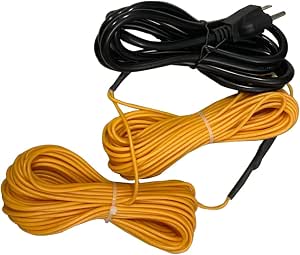
Sometimes you don’t need to heat the whole greenhouse — just the root zone of your seedlings. This 59-foot cable takes that targeted approach, holding soil at a steady germination-friendly temperature automatically, which makes it more set-and-forget than the manual VEVOR fan heater above. The rubber jacket and nickel alloy wires are flexible and soil-safe, and included ground stakes make laying out a seedbed straightforward. Where it falls short of the longer 118Ft Soil Heating Cable (B0FVS3Y77T) is coverage: 59 feet limits you to a modest propagation bench or cold frame. And unlike an air heater, it won’t protect foliage above ground during a hard frost, so think of it as a germination tool, not a greenhouse heater in the traditional sense.
Pros:- Automatic thermostatic regulation keeps germination temperatures consistent
- Flexible rubber construction is safe to bury directly in soil
- Ground stakes included for quick installation
- Very low running cost compared to fan heaters
Cons:- Cable must never overlap or cross during installation, which limits layout flexibility
- Some buyer feedback raises questions about long-term durability
Best for: Seed starters and propagation hobbyists warming a single seedbed, cold frame, or small propagation bench
Not ideal for: Growers protecting mature plants from frost — this warms soil only, leaving air and foliage untouched
- Length:29.5 ft (9m)
- Material:Rubber outer layer, nickel alloy heating wires
- Temperature Control:Automatic, maintains 131°F
- Application:Greenhouses, seedbeds, cold frames
- Includes:Ground stakes
Our verdict“The right pick if your real goal is faster germination on one bench rather than heating an entire structure.”
VEVOR Greenhouse Heater with Thermostat, 1500W PTC Fast Heating, 3-Speed Grow Tent Heater
This is the step-up sibling of the VEVOR PTC heater (B0D6VFD895), and the difference comes down to one word: thermostat. That single feature changes how you use the heater — instead of guessing at three fixed levels, the unit cycles itself to hold a target temperature, which matters most on freezing nights when you’re asleep. The compact 6.3 x 8.7-inch footprint tucks into crowded grow tents where a larger unit like the BioGreen PALMA would be overkill. The honest tradeoff: it’s still IP20 rated, so in a humid greenhouse with condensation dripping from every surface, you’ll want to mount it carefully and keep air moving. It also stops short of the app control and VPD tracking you get on the VIVOSUN AeroFlux 700W, but at this price, automatic temperature holding is the feature that counts.
Pros:- Built-in thermostat cycles automatically for unattended overnight use
- Compact 6.3 x 8.7 inch size fits crowded grow tents
- Three fan speeds plus forced-air design distributes heat evenly
- Overheat protection for safer long runs
Cons:- IP20 rating demands careful placement away from moisture and drips
- No published noise figures, so light sleepers near the greenhouse should factor in fan sound
Best for: Budget-conscious growers who want set-and-forget overnight heating in a small greenhouse or grow tent without app-driven smart features
Not ideal for: Damp, splash-prone greenhouse environments — the IP20 housing offers no water resistance, unlike IPX4-rated alternatives
- Power:1500W
- Heating Method:Forced air, PTC
- Thermostat:Yes
- Speeds:3
- Dimensions:6.29″D x 6.29″W x 8.66″H
- Weight:4.5 pounds
- Protection:Overheat protection, IP20
Our verdict“The best price-to-automation ratio here if you want a thermostat-driven heater and can live without waterproofing.”
118Ft Soil Heating Cable with Thermostat for Garden and Greenhouse
When one bench isn’t enough, this cable doubles the coverage of the 59 Ft thermostatic cable (B0FFGLH9BW) — enough to snake through a full seedbed, a long cold frame, or a stretch of garden bed. The automatic 131°F thermostat does the regulation work for you, and the 20 included ground stakes mean you’re not improvising pins to hold the runs in place, a genuine quality-of-life upgrade over shorter kits. Compared with the 98Ft carbon fiber cable (B0DPQ3WJZF), the extra 20 feet buys you another bed’s worth of coverage for similar effort. The constraint is the same one that limits every soil cable here: no overlapping runs, ever, and no air heating — pair it with a fan heater like the VEVOR thermostatic model if your plants need both root and foliage warmth.
Pros:- 118 feet of cable covers multiple beds or a large seedbed in one installation
- Automatic thermostatic control at 131°F removes guesswork
- 20 ground stakes included for secure, even spacing
- Durable rubber jacket with nickel alloy heating core
Cons:- Strict no-overlap installation rule complicates layouts in tight or irregular beds
- Fixed 131°F ceiling offers no flexibility for heat-sensitive seed varieties
Best for: Serious seed starters and market gardeners warming multiple propagation beds or long cold frames in one run
Not ideal for: Growers wanting whole-greenhouse air heating — this warms soil only and requires careful, non-overlapping layout
- Length:118 ft
- Temperature Control:Automatic thermostat at 131°F
- Material:Rubber jacket, nickel alloy heating core
- Includes:20 ground stakes
- Application:Greenhouse, seed starting, cold frame, garden beds
Our verdict“The coverage king for propagation-heavy growers who need one long heated run instead of several short ones.”
98Ft Soil Heating Cable for Greenhouse, 200W Electric Carbon Fiber Soil Heat Cable
The standout spec here is the carbon fiber heating core. Nickel alloy cables like the 118Ft model (B0FVS3Y77T) get the job done, but carbon fiber’s higher heat conversion rate means more of your electricity becomes soil warmth — a difference that adds up over a long germination season. At 200W total draw, this costs pennies per day to run, a fraction of what any 1500W fan heater consumes, while still covering 98 feet of bed. It’s also rated for both indoor and outdoor use, so it works equally well under indoor seedling shelves or in an outdoor cold frame. The catch: 98 feet sits awkwardly between the compact 59-foot cable and the coverage-leading 118-footer, and it shares the same fixed 131°F ceiling and fussy no-overlap installation as every cable in this category.
Pros:- Carbon fiber core delivers higher heat conversion efficiency than nickel alloy
- 200W draw keeps electricity costs minimal over long seasons
- Weather-resistant construction rated for indoor and outdoor beds
- Consistent, even heating across the full cable run
Cons:- Fixed 131°F thermostat allows no temperature adjustment for delicate crops
- Length is insufficient for very large gardens without buying a second cable
Best for: Eco- and cost-conscious growers running heated beds for extended seasons who want the lowest possible running cost per foot
Not ideal for: Very large gardens — 98 feet may force you to split coverage or buy a second cable, at which point the 118-foot option makes more sense
- Length:98 ft
- Power:200W
- Voltage:120V
- Temperature:131°F (thermostatic)
- Material:Carbon fiber
- Thermostat:Yes
- Use:Indoor and outdoor soil warming
Our verdict“The most efficient way to run heated beds long-term, provided 98 feet matches your actual bed footage.”
Greenhouse Heater with Thermostat, 1500W, Waterproof & Overheat Protection
Of the fan heaters in this lineup, this one earns its place for having an independent digital thermostat rather than a basic dial or no control at all. Precise temperature targeting matters more in a greenhouse than in a living room, because a few degrees of drift can stall seed germination or stress winter-flowering crops. The three power levels (20W, 750W, 1500W) let you dial back consumption on mild days instead of cycling between full blast and off, which the simpler VEVOR 1500W forced-air heater below cannot do. The IPX5 waterproof rating is also a step up from typical splash resistance in a damp greenhouse.
The tradeoff is coverage: at 120 sq ft, a larger greenhouse will need two units or a heater like the BioGreen PALMA instead.
Pros:- Independent digital thermostat for precise temperature holding
- Three power levels for energy-efficient operation
- IPX5 waterproofing suitable for humid greenhouse conditions
- No installation required — plug in and position
Cons:- Limited to roughly 120 sq ft of coverage
- Requires a nearby power outlet, which limits placement in remote greenhouses
- No published noise figures for quiet settings
Best for: Seed starters and hobby greenhouse growers who want accurate set-and-forget temperature control in a damp environment
Not ideal for: Owners of greenhouses larger than 120 sq ft — a single unit will leave cold zones
- Power:1500W
- Power Levels:20W / 750W / 1500W
- Thermostat:Independent digital thermostat
- Waterproof Rating:IPX5
- Coverage Area:120 sq ft
- Safety:Overheat protection, flame-retardant materials
Our verdict“If precise temperature control in a small greenhouse is the priority, this is the most accurate budget-friendly option in the roundup.”
VIVOSUN AeroFlux 700W PTC Grow Tent Heater with Thermostat, APP & VPD
The AeroFlux plays a different game from the 1500W heaters here: it trades raw wattage for smart climate management. The app connectivity and VPD (vapor pressure deficit) awareness mean it can coordinate with other VIVOSUN equipment to match heat and humidity to what plants actually need at each growth stage — something no analog heater in this roundup attempts. For a grow tent, 700W is plenty; more power would just cause temperature swings.
Compared with the VEVOR 1500W PTC heater, it is safer and smarter but far less versatile: try to warm a walk-in greenhouse or a flower room and it will fall short. Plan on completing the app setup to get full value from it, and accept that its scope ends at small enclosed spaces.
Pros:- App-based control with VPD awareness for stage-specific climates
- Five adjustable heat levels for fine-tuned output
- V0 flame-retardant housing, tip-over and overheat protection
- Compact footprint sized for tent corners
Cons:- Full functionality depends on app setup and a smartphone
- Not powerful enough for spaces beyond a small grow tent
Best for: Grow tent growers already using connected climate equipment who want automated, stage-aware heating
Not ideal for: Anyone heating a walk-in greenhouse or open room — 700W is scoped strictly to small tents
- Power:700W
- Heating Element:PTC ceramic
- Control:App and local controls
- Heat Levels:5 adjustable
- Smart Features:VPD monitoring via app
- Safety:V0 flame-retardant, tip-over protection, overheat shutoff
Our verdict“This is the pick for tech-forward grow tent setups, and the wrong pick for everything larger.”
VEVOR Greenhouse Heater, 1500W Electric PTC Space Heater with Fan, Low & High Heat Modes
This VEVOR model is the straightforward, low-cost way to push warm air into a small greenhouse, and its 40° adjustable angle is the detail that earns it a spot — you can aim airflow at benches or seedling trays instead of heating the ceiling. At 2.8 pounds with a carry handle, it moves between a grow tent, flower room, and home office without fuss.
What you give up compared with the thermostat-equipped 1500W heater above is precision: with only low and high modes and no digital control, it runs on your schedule, not a temperature target. The plastic housing also feels less rugged than stainless steel options like the BioGreen PALMA. For growers who check their greenhouse daily anyway, those compromises are acceptable at this price.
Pros:- Fast, even PTC forced-air heating at full 1500W output
- 40° adjustable angle directs heat where plants need it
- Very light at 2.8 lbs with handle and stable base
- Overheat protection on an ultra-affordable price point
Cons:- No digital thermostat or remote — manual low/high control only
- Plastic construction is less durable than metal alternatives
- Struggles beyond small to medium spaces
Best for: Budget-conscious growers with small greenhouses or grow tents who monitor temperatures manually
Not ideal for: Anyone wanting unattended, set-and-forget operation — there’s no digital thermostat
- Power:1500W
- Heating Method:PTC forced air
- Heat Modes:Low / High (2 speeds)
- Adjustable Angle:40°
- Amperage:12.5A
- Dimensions:7.09″D x 6.3″W x 8.46″H
- Weight:2.8 lbs
- Safety:Overheat protection
Our verdict“The cheapest credible way to warm a small greenhouse, provided you’re willing to manage it by hand.”
Soil Heating Cable 25 Ft Electric Soil Warming Cable for Greenhouse and Garden
Air heaters and soil cables solve different problems, and this 25-foot cable makes the case for going to the root. Warming soil directly speeds germination far more efficiently than heating the air above it, because the built-in thermostat with a 131°F cutoff holds root-zone temperatures steady without waste. The nickel alloy core with glass fiber braid and silicone jacket stands up to buried, wet conditions that would kill an ordinary heating element.
Where the 49-foot cable covers larger beds, this shorter length is the right scale for a single propagation bench or cold frame — buying more cable than your bed requires just means awkward coiling, and these cables cannot be cut. Installation takes real effort: laying the right spacing and burying it properly is a one-time chore.
Pros:- Direct root-zone heating that germinates seeds faster than air heating
- Built-in thermostat with 131°F safety cutoff
- Waterproof, corrosion-resistant build rated for burial
- Cheaper entry point than longer cables for small beds
Cons:- Must be covered with soil or laid on the surface — some setup labor required
- Fixed length limits it to a single small growing area
Best for: Gardeners propagating seeds in one small bed, bench, or cold frame who want root-zone warmth
Not ideal for: Anyone heating multiple trays or a large bed — 25 feet runs out quickly, and the cable can’t be extended or cut
- Length:25 ft
- Temperature Control:Built-in thermostat, 131°F cutoff
- Material:Nickel alloy, glass fiber braid, silicone rubber
- Applications:Soil, raised beds, cooling racks
- Weatherproofing:Waterproof and corrosion-resistant
- Installation:Bury in soil or lay on surface
Our verdict“The right-size choice for one modest propagation bed, and a false economy for anything bigger.”
Soil Heating Warming Cable 49ft for Plants with Built-in Thermostat
Nearly double the length of the 25-foot cable for not much more money, this 49-foot option is the better cost-per-foot play for anyone whose propagation setup has outgrown a single bench. It warms up to 12 square feet of bed with the same automatic 131°F thermostat regulation, so germination temperatures stay consistent whether you’re starting tomatoes indoors or protecting outdoor beds through a cold snap. The moisture-resistant jacket holds up outdoors, not just under greenhouse benches.
The catches are structural: the cable cannot be cut or overlapped, so your bed layout has to fit the cable rather than the reverse, and 12 sq ft still rules out serious market-garden scale — for that, the 118-foot cable elsewhere in this roundup is the better match.
Pros:- 49 ft of cable covers up to 12 sq ft — double the shorter version’s practical reach
- Automatic thermostat regulation needs no monitoring
- Moisture-resistant construction rated for outdoor beds
- Strong value per foot of heating cable
Cons:- Cannot be overlapped or cut, which constrains bed layout
- Single-zone design won’t span multiple trays or beds
Best for: Small-scale growers with a mid-size propagation bed or a few seed trays who want automatic soil warmth at a low price
Not ideal for: Growers with multiple separate trays or large beds — coverage tops out at 12 sq ft with no cutting allowed
- Length:49 ft
- Voltage:120V
- Temperature Control:Built-in thermostat (55°C / 131°F)
- Coverage Area:Up to 12 sq ft
- Applications:Indoor/outdoor gardening, seed starting, plant heating
- Weatherproofing:Moisture-resistant jacket
Our verdict“The sweet spot in this roundup for soil warming — enough length for a real bed without paying for cable you can’t use.”
205W Soil Heating Cable with Thermostat, 50Ft Electric Soil Warming Cable for Greenhouse and Plant Growth
Soil heating solves a different problem than air heating, and this 50-foot cable is the tool for it. While the BioGreen PALMA warms the air around mature plants, this cable warms the root zone directly — which is what seeds and cuttings actually need for germination. With a built-in thermostat capping at 131°F and over 98% conversion efficiency, it delivers targeted warmth without heating an entire structure, keeping running costs low.
The tradeoff is scope: it only works buried in soil or sand at 3–4 inches deep, and careless installation — overlapping or knotting the cable — creates hot spots that can damage both the cable and your plants. Compared with the 25-foot cables in this roundup, this 50-foot length covers roughly double the bench space, making it the better fit for a propagation bed rather than a single tray.
Pros:- Heats root zones directly, which drives faster germination than air heating alone
- Over 98% energy conversion efficiency keeps electricity costs minimal
- Built-in thermostat prevents overheating without external controllers
- Flexible cable layout lets you customize coverage to any bed shape
Cons:- Installation demands care — overlapping or knotted sections cause dangerous hot spots
- Useless for air heating or frost protection of full-grown plants
- Requires burying 3–4 inches deep, limiting use to soil and sand setups only
Best for: Growers starting seeds or rooting cuttings in greenhouse beds, propagation benches, or cold-frame soil who want efficient root-zone warmth
Not ideal for: Anyone trying to heat greenhouse air for frost protection — this only warms soil and does nothing for ambient temperature
- Power:200 W
- Voltage:120 V
- Cable Length:50 ft (15 m)
- Thermostat Temperature:131°F / 55°C
- Material:Carbon fiber and copper nickel-chromium alloy wire
- Insulation:FEP
- Safety Certifications:ETL-listed
Our verdict“Buy this if your priority is germination and propagation, not general greenhouse warmth — pair it with an air heater for complete coverage.”
BioGreen Electric Greenhouse Heater & Fan with Digital Thermostat PALMA, 1500 Watts, Stainless Steel, Splashproof
The PALMA earns the top spot among air heaters here because it is purpose-built for greenhouses rather than adapted from a household space heater. Its digital thermostat spans 32°F to 185°F with real precision, while the IPX4 splash-proof stainless housing tolerates the humid, wet conditions that generic heaters like the VEVOR 1500W units only partially accommodate. The fan-only mode is a genuine year-round advantage — 5800 ft³/h of circulation fights damping-off and uneven temperatures in summer, so it earns its footprint across seasons.
Two-stage heating elements also let it run at lower draw instead of cycling full blast, which matters for electricity bills. The limit is size: rated for about 120 ft², it is outmatched in larger structures, and buyers should verify noise tolerance since BioGreen publishes little on that front.
Pros:- Digital thermostat with a wide 32°F–185°F range for exact frost protection or propagation warmth
- Fan-only circulation mode makes it useful in summer, not just winter
- IPX4 splash-proof stainless steel build handles wet greenhouse environments
- Adjustable two-stage heating reduces energy waste compared with single-mode heaters
Cons:- Coverage caps around 120 ft², small for the price
- No published noise specifications, a concern for attached greenhouses
- Premium price versus near-identical-wattage budget heaters in this roundup
Best for: Owners of small greenhouses up to 120 ft² who want precise, season-long climate control from a horticulture-specific unit
Not ideal for: Anyone heating a large or detached greenhouse beyond 120 ft² — a single unit won’t maintain temperature on cold nights
- Power:1500 Watts
- Heating Output:5100 BTU/hr
- Air Circulation:5800 ft³/h
- Temperature Range:32°F to 185°F
- Coverage Area:up to 120 ft²
- Housing:Stainless steel, IPX4 splash-proof
Our verdict“The most complete greenhouse climate tool in this lineup — worth the premium if your structure fits within its 120 ft² coverage.”
VEVOR Greenhouse Heater, 1500W Electric Space Heater with Thermostat, Adjustable Angle, IPX4 & Overheat Protection
This VEVOR model is the value play of the roundup: same 1500W output as the BioGreen PALMA at a fraction of the price. It matches the PALMA’s IPX4 splash resistance and adds a 25° adjustable angle for directing heat where plants need it, plus overheat shutoff and a flame-retardant housing for basic safety. The fan-only mode gives it mild off-season utility as a circulator.
What you give up is refinement. Where the PALMA offers a wide-range digital thermostat and two-stage heating, this unit’s temperature control is cruder — expect wider temperature swings and more on-off cycling, which matters for delicate seedlings. The portable, multi-room design (grow tent, office, flower room) is convenient, but that versatility means it is less specialized for damp greenhouse duty long-term. For a hobby grower on a budget, though, the compromises are reasonable ones.
Pros:- Delivers the same 1500W output as pricier heaters at a lower price
- 25° adjustable angle directs heat toward plant zones instead of wasting it overhead
- IPX4 rating plus overheat shutoff covers the essential greenhouse safety basics
- Lightweight, portable design doubles as a home or office heater in the off-season
Cons:- Coarse thermostat control leads to wider temperature swings than the BioGreen PALMA
- General-purpose build is less durable in constantly humid greenhouses
- 1500W ceiling limits it to small spaces
Best for: Budget-conscious hobbyists with small greenhouses or grow tents who need basic frost protection without premium pricing
Not ideal for: Serious growers who need tight temperature stability for orchids or seedlings — the thermostat is too coarse for precision work
- Power:1500 W
- Adjustment:25° adjustable angle
- Protection:IPX4 splash-proof, overheat shutoff
- Housing Material:Flame-retardant PP
- Modes:Heating and fan
- Suitable For:Greenhouse, grow tent, flower room, home office
Our verdict“A sensible low-cost entry point for small-space frost protection, as long as you accept looser temperature control than the premium picks.”
How We Picked
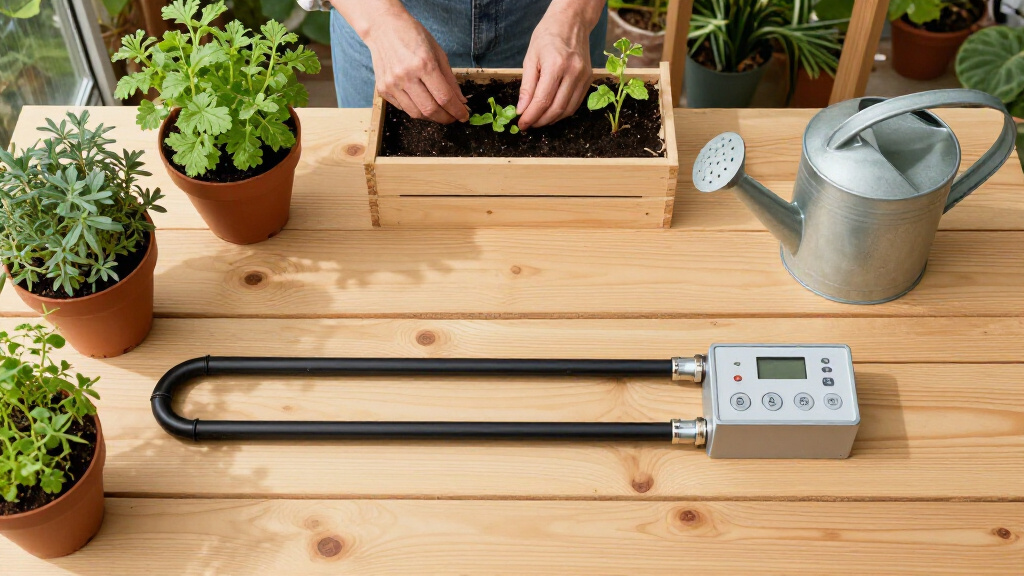
I evaluated each heating system against the factors that actually determine success in a greenhouse: heating capacity relative to coverage area, thermostat accuracy and control, moisture resistance, and safety features like overheat shutoff and tip protection. Greenhouses are wet, dusty, and humid environments that destroy household space heaters, so I weighted IP ratings and housing materials heavily. Running cost also mattered — a 1500W heater left on overnight adds up fast, so units with precise thermostats that cycle properly scored better than cheap models that run flat-out.
For soil cables, the deciding criteria were cable length, wattage per foot, and thermostat quality, because uneven root-zone heat does more harm than good. The ranking reflects a simple logic: purpose-built greenhouse equipment beats adapted household gear, models with integrated thermostats beat those without, and niche tools (like 25ft propagation cables) were placed by how well they serve their specific job rather than compared head-to-head against 1500W heaters.
Factors to Consider When Choosing Garden Greenhouse Heating Systems
Before picking a specific model, it helps to understand how greenhouse heating actually works in practice — because the most common mistakes happen at the buying stage, not during use.Air Heat vs. Root-Zone Heat
The single biggest decision is whether you’re heating air or soil, and many buyers get this wrong. A 1500W fan heater protects entire plants from frost by keeping ambient temperatures above freezing, but it costs far more to run and heats empty space along with your plants. Soil cables take the opposite approach: they warm only the root zone of propagation beds, which is where seedlings and cuttings are most vulnerable, at a fraction of the energy cost. In practice, experienced growers in cold climates often use both — cables for germination benches, a fan heater as frost insurance on the coldest nights. If you can only buy one, match it to your goal: mature plant survival means air heat; seed starting means root-zone heat.
Sizing Wattage to Your Greenhouse
Wattage needs scale with greenhouse volume and insulation, not floor area alone. As a rough rule, an uninsulated single-pane greenhouse needs about 100 watts per square meter just to hold a few degrees above outdoor temperatures — meaning a small 6x8ft greenhouse can genuinely consume 1500W on freezing nights. This is why a 700W unit like the smart VIVOSUN model only suits compact grow tents or heavily insulated mini greenhouses. Oversizing slightly is safer than undersizing, because a heater running flat-out without catching up will fail to protect plants exactly when it matters most. Also check your circuit: most greenhouses share an outlet with lights and fans, and tripping a breaker on the coldest night can wipe out a season of plants.
Thermostat Quality Makes or Breaks the Purchase
A heater without an accurate thermostat isn’t really a heating system — it’s a fire risk with a plug. Plants suffer from overheating almost as easily as freezing, and a heater that overshoots by even a few degrees can stress seedlings or trigger premature growth. Integrated digital thermostats, like the one on the BioGreen PALMA, cycle the heater on and off to hold a setpoint, which also cuts running costs dramatically compared to always-on units. Mechanical or dial-based controls common on budget models tend to drift over time. If you buy a heater without a thermostat, budget for a separate plug-in greenhouse thermostat — and remember that placement matters, since a thermostat sitting in direct sun will read high and leave your plants cold.
Moisture Resistance and Durability
Greenhouse humidity, condensation drip, and occasional splashes from watering kill ordinary space heaters quickly, and a failed heater on a sub-zero night can destroy everything inside. Look for IPX4 splashproof ratings or stainless steel housings — the PALMA justifies its premium price largely on this point. Standard household PTC heaters with no moisture rating can work in greenhouses but should be mounted away from watering zones and kept off the floor where water pools. Soil cables face the same issue underground: proper burial depth and drainage protect both the cable and your plants. Durability also extends to fan motors, which run nearly continuously through winter in unheated structures.
Running Costs and Energy Planning
The purchase price is rarely the biggest cost — electricity is. A 1500W heater running 10 hours a night through a three-month winter can add serious money to your bill, which is why thermostats and zoned heating matter so much. Soil cables typically draw 100–200W, making them the cheapest way to keep specific beds warm, while fan heaters justify their cost only when whole-greenhouse protection is genuinely needed. Insulation, bubble wrap lining, and thermal mass (water barrels that absorb daytime heat) can cut heater runtime by a surprising margin before you spend a cent on equipment. The cheapest long-term setup is almost always a well-insulated greenhouse with a right-sized, thermostatically controlled heater — not the biggest heater you can find.
Safety Features You Shouldn’t Compromise On
Overheat protection and tip-over shutoff aren’t marketing extras in a greenhouse — they’re the difference between a heater and a fire. Greenhouses are full of dry organic material, plastic sheeting, and dust, and unattended overnight heating is standard practice. PTC ceramic elements, which appear in most of the VEVOR and VIVOSUN models here, self-regulate their temperature and are inherently safer than exposed coil elements. For soil cables, verify the maximum operating temperature: units reaching 131°F can scorch roots if buried too shallow, so follow spacing and depth instructions exactly. Finally, keep any fan heater on a stable, level surface and away from bench edges where a knocked-over unit could contact dry leaves.
Frequently Asked Questions
Can I use a regular household space heater in my greenhouse instead?
You can, but it usually costs you more in the long run. Household heaters lack the moisture resistance that greenhouse humidity demands, and condensation on internal components causes failures that strike at the worst possible time — mid-winter, overnight. They also tend to have basic or inaccurate thermostats, which leads to temperature swings that stress plants and waste electricity. A greenhouse-specific unit with an IPX4 rating or splashproof housing costs more upfront but survives the environment it’s placed in. If you do use a household heater, mount it off the floor, keep it away from watering zones, and pair it with a separate accurate thermostat.
How long a soil heating cable do I need for my propagation bed?
Cable length determines coverage through spacing, and proper spacing matters more than raw length. Most cables are designed to be laid in loops 4–6 inches apart in a sand bed, so a 25ft cable suits a small seed tray bench, a 49–59ft cable handles a medium propagation bed, and 118ft covers a full-sized germination bench. Crowding loops closer together to squeeze more heat into a smaller area causes hot spots that can cook roots; spreading them too thin leaves cold patches where germination fails. Match wattage to bed size as well — a 200W, 98ft carbon fiber cable warms a larger area more evenly than a shorter, higher-density cable. Always bury cables at the manufacturer’s recommended depth, typically under 2 inches of sand.
Is 1500W enough to heat my greenhouse through winter?
It depends heavily on your greenhouse size, glazing, and how cold your winters get. A 1500W heater — the maximum on a standard US household circuit — can typically hold a small, well-sealed 6x8ft greenhouse 10–15°F above outdoor temperatures, which is enough for frost protection in mild climates. Single-pane glass or poorly sealed polycarbonate leaks heat fast enough that the same heater may only manage a few degrees of lift on freezing nights. Insulation like bubble wrap lining can double your effective heat retention. For larger greenhouses or genuinely cold climates, plan on multiple heaters, better insulation, or accepting that you’re extending the season rather than growing through deep winter.
Do I really need a heater with a built-in thermostat, or can I save money with a basic model?
A thermostat is worth paying for in almost every case, because it controls both plant health and your electric bill. Without one, a heater runs at full power whenever it’s plugged in, cooking plants during mild spells and burning electricity around the clock. A good thermostat cycles the heater to hold a steady setpoint, cutting energy use dramatically and preventing the temperature swings that trigger bolting or weak, leggy growth. The price gap between basic and thermostatic models in this roundup is small relative to a single winter’s running costs. If you already own a basic heater, a plug-in digital greenhouse thermostat costing around $20–30 retrofits the same functionality.
Are smart features like app control and VPD tracking actually useful for greenhouse heating?
Conclusion
Mapping these 13 systems to buyer types makes the decision straightforward. For best overall, the BioGreen PALMA stands alone — its digital thermostat, stainless splashproof build, and fan-only circulation mode are purpose-built for greenhouse life, justifying its premium price for anyone heating through a full winter. The best value pick is the VEVOR 1500W with thermostat and IPX4 rating, which covers the essentials of safe, controlled air heating at a budget price. Beginners starting seeds should skip air heat entirely and grab the 25ft or 49ft soil heating cable — it’s the cheapest, safest entry point into season extension. For premium and tech-focused growers, the VIVOSUN AeroFlux with app control and VPD monitoring integrates cleanly into a smart grow setup. And for specific needs like large propagation benches, the 118ft thermostatic soil cable is the standout. Whatever you choose, match the tool to the job: roots get cables, air gets a thermostatted fan heater, and serious winter growing deserves both.
Fall Picks
fall essentials
As an affiliate, we earn on qualifying purchases.