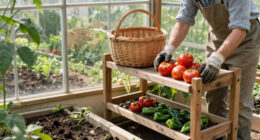
Garden seed starting kits range from simple plug trays to all-in-one stations with grow lights, heat mats, and humidity domes, and the right one depends on how many seedlings you’re raising and how much hands-on time you want to spend. The Seed Starter Kit with Grow Lights & Heat Mat earns my best overall spot because it bundles the three things seedlings need most — warmth, light, and humidity — in a single setup, sparing you the trial-and-error of buying components separately. For budget-minded growers, the Gardzen 5-Set kit (200 cells) delivers the lowest cost per cell of anything in this lineup, while the Patigrow 120-Cell Self-Watering Tray stands out for its self-watering base, which removes the biggest failure point for new growers: inconsistent moisture. The main tradeoff you’ll face is convenience versus control — illuminated kits cost more and take up space, while bare trays are cheap but demand daily attention. Read on for the full breakdown of all 13 kits.

Get garden gear delivered free with Prime
- Fast, free delivery on millions of items
- Prime Video, Amazon Music and more included
- Member-only deals all year
Complete the kit


Key Takeaways
- Kits with built-in grow lights (the top overall pick, BlumWay, and Bonviee 12-LED) consistently outperform windowsill setups because winter light is rarely strong enough to prevent leggy seedlings.
- Cost per cell varies dramatically across this lineup — the Gardzen 200-cell and 120-cell 10-pack kits run at a fraction of the per-cell price of illuminated kits, which matters most for large vegetable gardens.
- Reusability separates the Burpee options from the field: the SuperSeed trays and windowsill model are rigid, washable, and dishwasher safe, while thin disposable trays often crack after one season.
- Self-watering design (Patigrow) is the single biggest usability upgrade in this roundup, eliminating the over- and under-watering mistakes that kill most first-attempt seedlings.
- Cell size should drive your choice more than cell count — 72-cell trays suit tomatoes and peppers, while 120-cell kits are better for lettuce, herbs, and flowers with small root systems.


| garden seed starting kit | Material | Includes |
|---|---|---|
| Seed Starter Kit with Grow Lig | — | — |
| Gardzen 5-Set Seed Starter Tra | Premium plastic | Humidity vented domes and bases |
| Carpathen Seed Starter Tray wi | Food-grade plastic | — |
| Burpee SuperSeed 36-Cell Reusa | Food-grade silicone | — |
| MIXC 10 Pack Seed Starter Tray | Plastic | Humidity domes, watertight base trays, plant labels |
| Burpee SuperSeed Windowsill Se | — | — |
| BlumWay Seed Starter Tray with | ABS plastic | — |
| Seed Starter Tray with Peat Pe | — | — |
| Bonviee Seed Starter Trays wit | — | USB cable, labels |
| Burpee 72 Cell Seed Starting K | — | Plant markers, seed-gram diagrams |
| 120 Cells Seed Starter Tray | Natural wood pulp | Planting labels, transplanting tools, foldable sprayer |
| Patigrow 120-Cell Self-Waterin | BPA-free PET, 1.5mm thick | Domes, vents, seed trays, base trays, capillary mats, plant stands, grow light system, 20 labels, 2 tools, manual |
| Bonviee 5-Pack Seed Starter Tr | — | Humidity domes, base trays, plant labels |
More Details on Our Top Picks
Seed Starter Kit with Grow Lights & Heat Mat – Indoor Greenhouse & Plant Propagation Station
This kit earns the top spot because it solves the two problems that kill most seed-starting attempts: cold soil and weak light. The dual LED panels and waterproof heat mat create a genuinely controlled germination environment, something the Gardzen 5-Set and MIXC 10-pack simply don’t address — both assume you already have a bright windowsill or grow setup. The included moisture meter and gnat traps are small touches, but they signal that this kit is built around first-season success rather than raw tray count. Compared with the Burpee SuperSeed 36-cell, you get more cells plus the entire environmental apparatus, though that comes with a more involved setup process. The tradeoffs are real: it takes up meaningful shelf space, seeds and soil are separate purchases, and beginners may spend an evening sorting out light positioning before everything clicks.
Pros:- All-in-one system with grow lights, heat mat, humidity dome, and moisture meter
- Adjustable LED panels and vented dome let you tune light and humidity as seedlings mature
- Durable 40-cell tray built for reuse across multiple seasons
- Includes a gardening eBook that flattens the learning curve for beginners
Cons:- Requires separate purchase of soil and seeds
- Setup is more involved than a basic tray-and-dome kit
- Too large for cramped apartments or narrow windowsills
Best for: First-time indoor gardeners who want a complete climate-controlled system with heat and light included
Not ideal for: Anyone with limited shelf space or an existing grow-light setup — the footprint and duplicate gear make it redundant
- Tray Size:40-cell
- Grow Lights:Dual LED (16 white, 4 blue)
- Heat Mat:10″ x 20″ waterproof
- Humidity Dome:Adjustable vents
- Included Components:Heat mat, soil moisture meter, seed starter kit
- Extras:Sticky gnat traps, gardening eBook
Our verdict“If you’re starting from zero and want the highest chance of germination success in one purchase, this is the kit to buy.”
Gardzen 5-Set Seed Starter Tray Kits with Humidity Vented Domes and Bases, 200 Cells
Where the all-in-one kit above is about environment, the Gardzen set is about volume. With 200 cells across five trays, this is the pick for the gardener starting an entire vegetable garden — tomatoes, peppers, brassicas, the works — in one weekend. The adjustable vents on each dome let you harden off seedlings gradually, and the clear lids make it easy to check progress without disturbing anything. Compared with the MIXC 10-pack, you trade sheer tray count for what is generally sturdier construction, but both share the same fundamental limitation: no lighting or heat included. If your seed-starting space is dim or cool, budget for a separate grow light and heat mat before germination week, or your 200 cells will germinate unevenly. The plastic is reusable but will show wear after several aggressive seasons.
Pros:- 200 total cells across five trays for high-volume starting
- Adjustable dome ventilation for gradual hardening off
- Clear domes allow monitoring without lifting lids
- Durable, reusable plastic built for multiple seasons
Cons:- No grow lights or heat mat included
- Plastic may crack or degrade after repeated heavy use
Best for: Vegetable gardeners starting dozens of plant varieties at once who already have light and warmth sorted
Not ideal for: Apartment growers without a bright window or grow lights — the absence of included lighting makes germination unreliable
- Number of Sets:5
- Total Cells:200
- Cell Capacity per Tray:40
- Material:Premium plastic
- Ventilation:Adjustable vents
- Includes:Humidity vented domes and bases
Our verdict“This makes sense only if you need serious capacity and can supply your own light and heat.”
Carpathen Seed Starter Tray with Humidity Dome – Complete Gardening Kit
The Carpathen kit’s defining feature is its 4.7-inch extra-tall dome, and that height matters more than it sounds. Tomatoes, peppers, and other seedlings that grow quickly under cover will hit a standard dome within days, forcing you to remove it early and lose humidity — this kit buys you extra weeks of protected growth. Compared with the Burpee SuperSeed 36-cell, the Carpathen offers a taller dome and bundled tools, though the Burpee wins on transplant convenience with its pop-out cells. The food-grade plastic and included tool set make this a solid middle path between bare trays like the Gardzen set and the fully equipped heat-and-light kit. Just know the footprint: at 14.8 x 9.4 inches it demands real counter space, and like nearly every tray here, soil and seeds come separately.
Pros:- Extra-tall 4.7-inch dome accommodates fast-growing seedlings longer
- Complete kit includes trays, dome, and tools in one purchase
- Food-grade plastic that’s reusable across planting cycles
- Works equally well indoors or outdoors
Cons:- Footprint is too large for very small indoor spaces
- Soil and seeds not included
Best for: Growers starting tall, fast-growing crops like tomatoes and peppers who need extended headroom under the dome
Not ideal for: Anyone starting a single small herb tray — the size and cell count are overkill for a windowsill project
- Tray Dimensions:14.8 x 9.4 inches
- Dome Height:4.7 inches
- Number of Cells:40
- Material:Food-grade plastic
- Use:Indoor and outdoor
- Reusability:Multiple planting cycles
Our verdict“Choose this if your seedlings consistently outgrow standard domes before transplant time.”
Burpee SuperSeed 36-Cell Reusable Seed Starting Tray for Indoor Seedlings
Most seed starting heartbreak happens at transplant, when fragile roots tear apart as you dig them out. The Burpee SuperSeed sidesteps this entirely with flexible silicone pop-out cells — you press from below and the seedling releases whole. Add dishwasher-safe cleaning and the hygiene problem that plagues plastic trays like the Gardzen and MIXC sets disappears overnight. The tradeoff is capacity: 36 larger cells versus 200 in the Gardzen set means this is for gardeners who value each seedling over sheer numbers, especially with expensive or hard-to-find seed varieties. The integrated watering channels also reduce the top-watering that flattens delicate starts. What you give up is scope — no dome is specified here, and there’s no lighting, so it pairs best with a bright windowsill or existing grow setup.
Pros:- Flexible pop-out cells prevent root damage during transplanting
- Smart watering system with drainage channels reduces overwatering
- Dishwasher safe for thorough sanitizing between seasons
- Food-grade silicone construction that lasts for years
Cons:- Only 36 cells, limiting total output per season
- No dome, lighting, or heat included — needs supplemental gear for best germination
Best for: Gardeners starting a small number of precious seeds who want damage-free transplants and easy sanitizing
Not ideal for: High-volume growers — 36 cells can’t touch the capacity of multi-tray sets like the Gardzen or MIXC
- Number of Cells:36
- Tray Dimensions:11.5 x 10⁻³/8 x 2-1/4 inches
- Material:Food-grade silicone
- Dishwasher Safe:Yes
- Cell Design:Flexible pop-out
- Watering:Drainage channels with handles
Our verdict“If every seedling counts more than how many you start, this tray’s gentle transplant design is worth the capacity sacrifice.”
MIXC 10 Pack Seed Starter Tray with Humidity Dome and Accessories
The MIXC 10-pack is the pure cost-per-tray play in this lineup. Ten trays with domes, watertight bases, and plant labels give you the largest single footprint of any option here — even more raw capacity than the Gardzen 5-set — making it the choice for gardeners running a community plot, market stand, or seed-sharing habit. The adjustable vents and drainage holes work as advertised, and the watertight base trays protect shelves from the inevitable overwatering mistake. Compared with the all-in-one heat-and-light kit, though, you’re entirely on your own for germination conditions, and the plastic here is thinner than Gardzen’s, so expect a shorter service life under heavy rotation. The included labels are a genuinely useful touch that most competitors skip. One caveat: no dimensions are published, so verify the footprint fits your shelving before committing to all ten.
Pros:- Ten trays with domes, watertight bases, and labels in one purchase
- Adjustable vents and drainage holes create a controlled mini greenhouse
- Reusable, portable design suited to staggered planting rounds
- Included plant labels keep dozens of varieties organized
Cons:- Plastic is thinner and less durable than premium single kits
- No grow lights, heat mat, or soil included
- Published dimensions are absent, complicating shelf planning
Best for: Bulk growers and seed starters who need maximum tray count per dollar and already own grow lights
Not ideal for: Eco-conscious buyers or anyone wanting a single premium tray — the disposable-leaning plastic and bulk quantity are the wrong fit
- Number of Trays:10
- Material:Plastic
- Ventilation:Adjustable vents
- Drainage:Drainage holes
- Includes:Humidity domes, watertight base trays, plant labels
- Reusability:Yes, portable design
Our verdict“Buy this when tray count matters more than included features — just supply your own light and heat.”
Burpee SuperSeed Windowsill Seed Starting Tray, 8 XL Cells, Reusable & Dishwasher Safe, Orange
Most seed starting kits chase volume — 80 or 120 cells spread across trays that swallow a shelf. This Burpee SuperSeed tray goes the opposite direction, and that restraint is its whole appeal. With just 8 extra-large silicone cells in a footprint slim enough for a windowsill, it fits where the BlumWay 80-cell trays simply can’t. The flexible silicone is the real differentiator: instead of ripping roots apart during transplant, you press each cell and the plug pops out intact. Compared with the peat-pellet Halatool kit, this option trades disposable convenience for a dishwasher-safe, reusable design that pays off over multiple seasons. The tradeoff is capacity — eight cells means eight plants, so anyone starting a full vegetable garden should look elsewhere.
Pros:- Extra-large flexible silicone cells pop seedlings out without root damage
- Dishwasher safe, so sanitizing between seasons takes minutes
- Slim footprint genuinely fits a standard windowsill
- Excellent drainage and aeration reduce damping-off risk
Cons:- Only 8 cells — the smallest capacity in this roundup by far
- Silicone is pliable and can warp or tear after repeated seasons
- No humidity dome, seeds, or mix included
Best for: Apartment dwellers and casual gardeners who start a handful of tomatoes or herbs on a bright windowsill
Not ideal for: Anyone planning a large vegetable garden — 8 cells can’t supply a season’s worth of transplants
- Number of Cells:8
- Cell Material:Food-grade silicone
- Tray Dimensions:11.5″ x 5-3/16″ x 2-1/4″
- Dishwasher Safe:Yes
- Reusable:Yes
- Color:Orange
Our verdict“Buy this if you want a low-commitment, reusable tray for a few plants on a sunny sill — skip it if you’re filling a whole garden bed.”
BlumWay Seed Starter Tray with Grow Light, Humidity Dome, 2 Pack, 80 Cells
Where most kits in this roundup make you buy lighting separately, the BlumWay bundles full-spectrum grow lights directly into the humidity dome — a genuinely different proposition. With 160 total cells across two trays, it out-capacities the Bonviee 60-cell 5-pack while adding the 3-mode lighting and 3/6/12-hour timers the Bonviee lacks. That timer matters more than it sounds: consistent light cycles are what keep seedlings from getting leggy, and the Bonviee requires you to flip its lights on and off manually. The tradeoffs are real, though. Each tray needs its own USB or adapter power source, and the ventilation-plus-lighting-plus-humidity controls create a setup curve that first-timers may find fiddly. Compared with the plug-and-go Burpee 72-cell kit, you’re trading simplicity for control.
Pros:- Integrated full-spectrum grow lights eliminate a separate lighting purchase
- Built-in timer settings (3H/6H/12H) automate light cycles
- 160 total cells across two trays suit larger gardens
- Adjustable humidity and ventilation for germination-stage tuning
Cons:- Requires a USB or plug-in adapter per tray to function
- More setup steps than a basic dome-and-tray kit
- Indoor use only — no outdoor flexibility
Best for: Serious indoor starters who want grow lights and timers integrated rather than sourced separately
Not ideal for: First-time seed starters who want a simple tray-and-dome setup — the multi-feature controls add unnecessary complexity
- Number of Trays:2
- Cells per Tray:80
- Cell Depth:9cm
- Drainage Holes:0.31in
- Material:ABS plastic
- Lighting Modes:3
- Timer Settings:3H, 6H, 12H
- Grow Light Spectrum:Full spectrum (white & blue)
- Power Source:USB or plug-in adapter
Our verdict“This is the pick for growers who want a near-complete indoor germination station in one box, provided they’re comfortable managing power and settings.”
Seed Starter Tray with Peat Pellets, Black – 4 Trays (48 Cells) + 50 Organic Peat Pellets
This Halatool set wins on sheer inclusiveness: four trays, 48 cells, and 50 peat pellets in one purchase, so there’s nothing else to buy before your first sowing. The expandable peat pellets remove the messiest part of seed starting — no bags of loose mix, no filling cells by hand. Just add warm water and drop in a seed. Compared with the Burpee 72-cell kit’s coir pellets, this option trades the Burpee’s water reservoir and seed-gram diagrams for raw quantity and a lower barrier to entry. The tradeoff is quality of medium: peat pellets are leaner on nutrients than coir, so seedlings need potting on or feeding sooner. The plastic trays are also thinner than the Burpee SuperSeed’s silicone, so expect a shorter usable life with rough handling.
Pros:- Peat pellets expand with water — no loose potting mix or cell-filling required
- Four trays with humidity lids let you stagger multiple sowing rounds
- Transparent lids support both light exposure and humidity control
- Works indoors or out, unlike the light-equipped BlumWay and Bonviee kits
Cons:- Peat pellets hold few nutrients, so seedlings need transplanting or feeding early
- Plastic trays crack more easily than silicone or ABS alternatives
- Not scaled for large gardens despite the 48-cell count
Best for: Budget-minded gardeners or groups (classrooms, community plots) who need lots of cells and pellets for minimal spend
Not ideal for: Gardeners who want a durable multi-season system — the thinner plastic and nutrient-poor pellets push you toward annual rebuying
- Number of Trays:4
- Total Cells:48
- Peat Pellets Included:50 organic pellets
- Humidity Lids:Yes, transparent
- Drainage:Drainage holes in each tray
- Tray Color:Black
- Use Location:Indoor or outdoor
Our verdict“The cheapest path to a full first sowing — buy it for quantity and convenience, not for longevity or premium growing medium.”
Bonviee Seed Starter Trays with 12-LED Grow Lights, 5 Pack
Five separate trays, each with its own 12-LED full-spectrum light and vented dome — that structure is what sets the Bonviee apart. Instead of committing one big tray to one sowing, you can run tomatoes in one, peppers in another, and basil in a third, each with independent light positioning. Compared with the BlumWay’s two 80-cell trays, you sacrifice half the capacity but gain modularity and clear trays that let you watch root development — genuinely useful when you’re learning germination timing. The clear plastic also supports bottom watering through drainage holes, which keeps surface soil dry and fungus at bay. The catches: there’s no built-in timer, so lights run only as long as you remember, and the required 5V/2A USB adapter isn’t in the box.
Pros:- Five independent trays let you isolate different species and sowing dates
- Clear construction makes root observation and germination checks easy
- Per-tray LED lights can be positioned individually over seedlings
- Bottom-watering design with drainage holes discourages fungal problems
Cons:- No timer — light schedules depend entirely on your memory
- 5V/2A USB power adapter not included
- 60 total cells across small trays limits serious production
Best for: Hobbyists testing multiple seed varieties simultaneously who want isolated, observable mini-environments
Not ideal for: Busy growers who can’t tend lights daily — with no timer, inconsistent light cycles will produce leggy seedlings
- Number of Trays:5
- Cells per Tray:12
- Total Cells:60
- Grow Light:12-LED full-spectrum per tray
- Vented Humidity Domes:Yes
- Drainage Holes:Yes
- Power Source:USB (5V/2A adapter required, not included)
- Includes:USB cable, labels
Our verdict“Choose this over the BlumWay if modular, variety-by-variety growing matters more to you than raw cell count — but only if you’ll reliably manage the lights yourself.”
Burpee 72 Cell Seed Starting Kit with Greenhouse Dome and Coir Pellets
This is the traditional seed starting setup, done properly: 72 cells, a self-wicking water reservoir, a greenhouse dome, coir pellets, markers, and sowing diagrams — everything except seeds and light. Compared with the Halatool peat-pellet set, the Burpee’s coir pellets hold nutrients better and the reservoir means watering happens from below, on the tray’s schedule rather than yours. The included plant markers and seed-gram diagrams give it an organizational polish the Halatool set skips entirely. Where it falls short of the BlumWay is extras: there’s no grow light or heat mat, so winter starters will need to add both — a real added cost if your windowsills are dim. Pellet expansion also takes patience; rush the hydration step and your cells end up uneven.
Pros:- Water reservoir enables bottom-watering, reducing overwatering and fungus risk
- Coir pellets are more nutrient-retentive than standard peat
- Includes plant markers and sowing diagrams for organized tracking
- 72 cells suit a substantial vegetable garden in one tray footprint
Cons:- No grow light or heat mat included — both are near-necessary for cool-season starts
- Coir pellets must be fully expanded before sowing or cell fill is inconsistent
Best for: Gardeners with a bright south-facing window who want a complete, organized 72-plant start with minimal extra purchases
Not ideal for: Winter or basement starters — without adding a heat mat and grow light, germination in cool, dim conditions will be patchy
- Number of Cells:72 (two 36-cell trays)
- Cell Dimensions:1.5″W x 1.5″L x 2″D
- Tray Dimensions:10″W x 20″L x 5″H
- Water Reservoir:Yes
- Greenhouse Dome:Yes
- Growing Medium:72 coir pellets
- Includes:Plant markers, seed-gram diagrams
Our verdict“The most complete traditional kit here for bright-window growers; buy it if you have good natural light, and budget for a light if you don’t.”
120 Cells Seed Starter Tray, 10 Pack Plant Starter Kit
Plant-and-pot simplicity is the whole appeal here: each wood-pulp cell goes straight into the soil, roots and all, which makes this the standout choice for anyone who dreads transplant shock. Compared with the Bonviee 5-Pack, which requires you to pop every seedling out of rigid plastic, this kit lets you cut trays into smaller sections and bury them whole — a real time-saver when you’re starting dozens of tomatoes. The foldable sprayer and transplanting tools round out a package that goes beyond bare trays. The tradeoff is durability: unlike the reusable Burpee SuperSeed 36-Cell, these trays are single-use by design, and the 1.6-inch cells constrain larger-seeded crops like squash.
Pros:- Fully biodegradable wood pulp cells plant directly into soil
- 10 trays and 120 cells make it the highest-volume pick in this lineup
- Includes sprayer, labels, and transplanting tools beyond basic trays
- Trays can be cut into smaller sections for staggered plantings
Cons:- Single-use design costs more over time than reusable plastic trays
- Small 1.6-inch cells limit root space for large-seeded plants
- No humidity dome or germination aid included
Best for: Gardeners starting large batches of vegetables and flowers who want zero-transplant-shock planting and don’t mind buying trays each season
Not ideal for: Anyone seeking a reusable, multi-season system — the wood pulp construction means these trays are consumed with each planting cycle
- Number of trays:10
- Total cells:120
- Cell dimensions:1.6 x 1.6 x 2 inches
- Material:Natural wood pulp
- Planting method:Direct-plant biodegradable cells
- Includes:Planting labels, transplanting tools, foldable sprayer
Our verdict“Buy this if you start seeds in bulk and value direct-plant convenience over reusability.”
Patigrow 120-Cell Self-Watering Seed Starter Tray Kit with Grow Light and Humidity Dome
This is the most complete germination system in the roundup — self-watering capillary mats, vented domes, and a full-spectrum LED grow light with timer in one box. Where the 120 Cells 10-Pack leaves germination to luck and ambient light, the Patigrow handles the entire environment: you water once, and the capillary mats keep cells moist from sprouting to transplant. The adjustable brightness and timer mimic daylight cycles, matching what the BlumWay Grow Light Tray offers but with double the cell count and a self-watering base the BlumWay lacks. The catch is complexity — assembling the light stands and controller takes patience, and this is the most involved setup here for gardeners who just want a dome and a tray.
Pros:- Self-watering capillary mats require only one watering from germination to transplanting
- Full-spectrum LED lights with adjustable brightness and timer
- Four adjustable humidity vents for stage-by-stage airflow control
- Durable BPA-free PET construction built for reuse
Cons:- Grow light assembly and setup can be confusing at first
- Highest-effort option to store between seasons given multiple components
- Rigid cells require popping seedlings out, unlike biodegradable alternatives
Best for: Serious seed starters growing under lights year-round who want hands-off watering and precise control over light and humidity
Not ideal for: Casual gardeners with a sunny windowsill — the grow light system adds cost and setup complexity they’ll never use
- Tray capacity:120 cells (2 x 60-cell trays)
- Material:BPA-free PET, 1.5mm thick
- Grow light:4 LED strips, 56 beads per tray, adjustable brightness and timer
- Humidity control:2 domes with 4 adjustable vents
- Watering system:Self-watering capillary mats
- Includes:Domes, vents, seed trays, base trays, capillary mats, plant stands, grow light system, 20 labels, 2 tools, manual
Our verdict“This pick makes the most sense for dedicated indoor growers who want a light, water, and humidity system in a single purchase.”
Bonviee 5-Pack Seed Starter Trays with Humidity Domes and Bases
While most kits in this roundup wilt under a heat mat, this Bonviee set is explicitly built for bottom warmth, which matters enormously for peppers, eggplants, and tomatoes that germinate slowly in cool soil. The transparent trays also let you watch root development without lifting the dome — something the opaque wood-pulp 120 Cells kit can’t offer. Compared with the Gardzen 5-Set, this Bonviee set trades total cell count for roomier 1.5-inch cells that suit larger seeds. The honest limitation is bare-bones scope: no grow light, no sprayer, no tools, so it pairs best with gear you already own rather than serving as a complete starter system like the Patigrow.
Pros:- Heat-mat resistant construction safe for bottom warming
- Transparent design makes monitoring root and sprout progress easy
- Adjustable vents allow humidity and temperature tuning
- Watertight bases prevent leaks on shelves and windowsills
Cons:- No tools, pellets, or accessories beyond labels
- 5 trays offer fewer cells than competing multi-packs at this size
- Plastic cells require manual transplanting rather than direct planting
Best for: Gardeners germinating heat-loving crops like peppers and tomatoes on a heat mat who already own lights and tools
Not ideal for: First-time seed starters expecting a complete kit — there’s no lighting, pellets, or accessories included
- Number of trays:5
- Cell size:1.5 inches
- Domes:5 humidity domes with adjustable vents
- Bases:5 watertight base trays
- Heat resistance:Suitable for use with heat mats
- Includes:Humidity domes, base trays, plant labels
Our verdict“Skip the extras and grab this set if heat-mat germination of large seeds is your priority.”

How We Picked
I evaluated each kit against the factors that actually determine seed-starting success: germination environment (dome venting, heat mat compatibility, cell drainage), light provision (whether a grow light is included or the kit assumes a windowsill), moisture management (wicking bases versus manual watering), and build quality (rigid trays that survive multiple seasons versus flimsy one-season plastic). I also weighed cost per cell and whether the kit includes extras like coir pellets or tools that genuinely help beginners.
The ranking logic follows a clear progression: full-environment kits with lights and heat rank highest because they remove the most common failure points; self-watering and reusable kits fill the middle tier based on long-term value; and bulk disposable trays anchor the value end for experienced growers who already own lights and heat mats. Every product was placed by asking one question — who is this kit actually for, and does its design serve that person better than the alternatives here?
Factors to Consider When Choosing Garden Seed Starting Kits
Before picking a kit, it helps to understand what actually drives seed-starting success — and where buyers most often go wrong. These are the factors I’d weigh before clicking buy.Light: The Factor Most Beginners Undervalue
Almost every seed-starting failure I hear about traces back to light, not seed quality. A south-facing windowsill in February delivers a fraction of the light seedlings need, and the result is tall, pale, floppy stems that never recover. If you don’t already own grow lights, a kit with integrated LEDs costs more upfront but avoids buying a separate lighting rig — and the integrated versions in this roundup position the light at the correct distance automatically. A common mistake is buying a cheap tray kit and placing it on a windowsill, then wondering why seedlings lean and stretch. Match your kit choice to your light situation first, and everything else becomes easier.
Cell Count Versus Cell Size
Big cell counts look like a bargain until you realize 120 tiny cells can’t hold a tomato seedling past week three. Small cells suit fast-germinating, small-seeded crops like lettuce, basil, and flowers; large-seeded crops like squash, cucumbers, and tomatoes need bigger cells or an early transplant into pots. Buyers routinely overestimate how many plants they need — 72 seedlings is a lot of transplanting work in spring. My advice: match cell size to what you’re actually growing, and treat count as a convenience feature rather than a value feature. Larger cells also dry out more slowly, which buys you forgiveness if you can’t water every day.
Humidity Domes and Venting Quality
A dome keeps moisture trapped during germination, but an unvented dome becomes a mold factory once seedlings emerge. Look for adjustable vents that let you gradually acclimate seedlings to ambient air — a process that matters more than most beginners realize. Cheap domes also fog up and crack, and a cracked dome stops holding humidity at exactly the wrong moment. The difference between a good and bad dome isn’t visible in product photos, so prioritize kits where the dome is described as rigid or adjustable rather than just ‘clear.’ If your chosen kit lacks a dome, a sheet of plastic wrap works in a pinch but needs daily monitoring.
Reusable Versus Disposable Trays
Thin trays cost less per cell but usually last one to two seasons before cracking, while rigid trays can serve you for five or more years with proper cleaning. The hidden cost of reusable trays is sanitation — you must wash and disinfect between seasons to avoid damping-off disease, which is why dishwasher-safe trays are a genuine advantage. If you start seeds once a year for a modest garden, disposables are perfectly rational. If you run successive sowings through winter and spring, the reusable options pay for themselves quickly and produce less plastic waste.
Self-Watering and Heat: When to Pay More
Bottom heat speeds germination dramatically for warm-season crops, and a heat mat is one of the cheapest meaningful upgrades in all of gardening — but it’s useless if your watering is inconsistent, because heated soil dries out faster. Self-watering bases with wicking caps solve this by letting seedlings pull moisture as needed, which is why they’re worth the premium for anyone with a busy schedule or a first-time grower’s uncertainty. The tradeoff is that self-watering kits cost more per cell and the wicking mats eventually need replacing. My rule: pay more for moisture automation before paying more for anything else, because water stress kills more seedlings than any other single cause.
Included Media and Accessories
Some kits ship with coir or peat pellets, which are convenient but add cost, and peat pellets in particular can stay too wet for some crops. Starting with your own seed-starting mix in empty cells is usually cheaper over time and gives you control over texture and drainage. Bundled tools like mini transplanters and labels are nice but rarely justify a price difference on their own. The exception is genuinely first-time growers, for whom an everything-included kit reduces decisions and shopping trips. Experienced starters should price the tray hardware alone and supply their own media.
Frequently Asked Questions
Do I really need a grow light kit, or is a sunny windowsill enough?
For most homes in late winter, a windowsill is not enough — seedlings need 12 to 16 hours of direct light daily, and even a bright south window provides far less in January and February. The visible symptom is leggy growth: tall, thin stems stretching toward the glass, which weakens plants permanently. If you live in a sunny climate and only start cool-season crops like lettuce, a windowsill can work. But for tomatoes, peppers, and anything started before March, a kit with an integrated grow light will produce stockier, healthier transplants. Compared with buying a tray and a separate clip-on light, an integrated kit also solves the positioning problem — the light sits at the right height without DIY stands.
How many cells should my first seed starting kit have?
Beginners consistently overbuy. A 36- to 72-cell tray is plenty for a typical home vegetable garden, and starting fewer seedlings means you can give each one proper attention during the fragile first two weeks. Larger cell counts make sense only if you’re succession planting, running a large garden, or starting seedlings for friends. Remember that every cell that germinates eventually needs potting on, hardening off, and transplanting — the workload triples after germination. If you’re unsure, a mid-size kit with good dome venting will teach you more per dollar than a 200-cell bulk pack you can’t keep up with.
Are self-watering seed starting kits worth the extra cost?
For most people, yes — inconsistent moisture is the leading cause of seed-starting failure, and a wicking base removes the daily judgment call entirely. Seedlings in self-watering trays draw water from a reservoir as needed, so you refill every few days rather than watering daily. The tradeoffs are real: the reservoir adds bulk, wicking mats degrade and need replacement, and per-cell costs run higher than basic trays. If you work away from home, travel, or simply tend to forget watering, the premium pays for itself in one saved tray of seedlings. If you enjoy the daily ritual of tending seedlings, a standard tray is a perfectly good choice.
Can I reuse seed starting trays, and how do I clean them?
Rigid trays can be reused for many seasons, but cleaning between uses is non-negotiable — damp-off pathogens survive on plastic and will kill your next batch of seedlings. Wash trays in hot soapy water, then soak in a dilute bleach or hydrogen peroxide solution, and let them dry fully before storing. Dishwasher-safe trays, like the Burpee SuperSeed models, simplify this considerably since the hot wash cycle does the sanitizing for you. Thin disposable trays usually aren’t worth the effort because they crack during scrubbing; if a tray is cracking or the drainage holes are distorted, replace it. The one exception to reuse is anything that held diseased seedlings — discard those rather than risk spreading disease.
What’s better: peat pellets or trays I fill with my own seed starting mix?
Each has a place. Pellets are convenient and mess-free — you add water, drop in a seed, and you’re done, which makes them great for kids and first-timers. Their weaknesses are cost per plant and drainage: peat can stay soggy, and the netting around pellets sometimes constrains roots. Trays you fill yourself cost less over time, let you choose a well-draining mix, and generally produce stronger root systems. If you’re starting more than about 40 plants, filling trays with bagged mix is almost always cheaper. A reasonable approach is to use pellets for your first season, then switch to loose mix once you know you’ll keep starting seeds.
Conclusion
Matching the kit to the grower is easier than it looks. For best overall, the Seed Starter Kit with Grow Lights & Heat Mat delivers the complete germination environment in one purchase and suits nearly everyone who doesn’t yet own a lighting setup. The best value pick is the Gardzen 5-Set, 200-cell kit — nothing else here comes close on cost per cell for growers with existing lights. Best premium goes to the Patigrow 120-Cell Self-Watering kit, whose wicking base and integrated light automate the two hardest parts of seed starting. For beginners, the Burpee 72-Cell Kit with coir pellets includes media and a reliable dome while staying simple, and the Carpathen complete kit is a strong alternative if you want tools included. Specific needs: the Burpee Windowsill 8-cell tray is the pick for tiny apartments and just a few plants; the BlumWay and Bonviee 12-LED kits suit growers who want lit trays without a full station; the MIXC 10-pack and 120-cell bulk trays serve large-scale or succession planters; and the Burpee SuperSeed 36-cell is the best reusable workhorse for small- to mid-size gardens. Whatever you choose, size the kit to your real garden, not your ambitions — you can always start more trays next season.