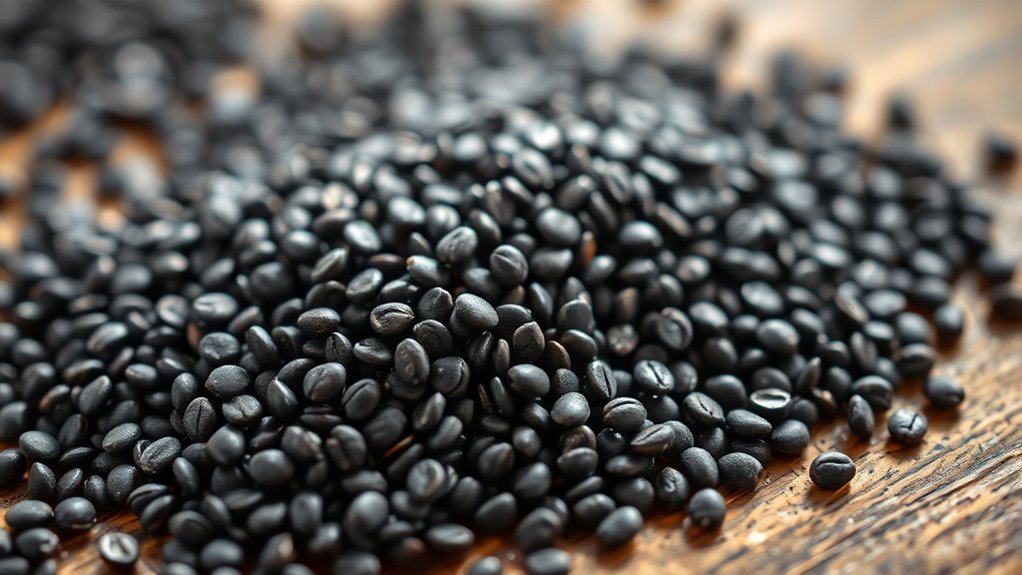
Chia seeds are rich in alpha-linolenic acid (ALA), a plant-based omega-3 fatty acid that can help reduce gut inflammation. By calming immune responses, ALA supports maintaining a healthy gut lining and encourages tissue repair. Incorporating chia into your diet can promote better digestion and a balanced immune system. If you want to discover more about how chia’s ALA can support your gut health, keep exploring this beneficial nutrient.
Key Takeaways
- Chia seeds are rich in alpha-linolenic acid (ALA), an anti-inflammatory omega-3 fatty acid that helps reduce gut inflammation.
- ALA from chia supports the production of anti-inflammatory compounds, aiding in healing damaged gut tissues.
- Consuming chia seeds promotes a balanced immune response, preventing excessive inflammation in the digestive system.
- Chia’s ALA helps maintain gut lining integrity, reducing symptoms associated with leaky gut and irritable bowel syndrome.
- Regular intake of chia seeds can improve digestion and overall gut health by supporting inflammation regulation.
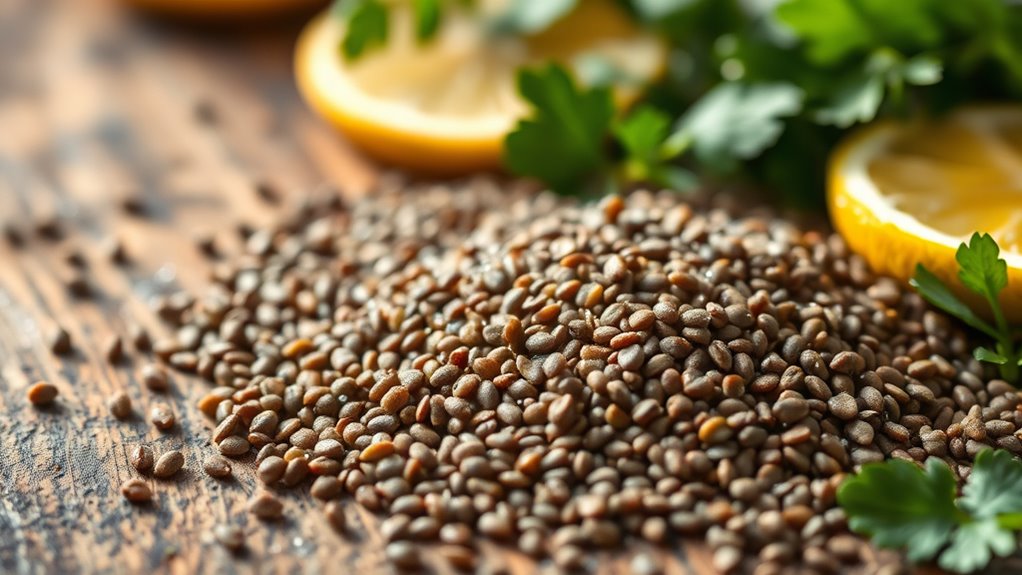
Inflammation plays a crucial role in your digestive health, acting as both a defense mechanism and a potential disruptor. When your gut encounters harmful bacteria, toxins, or irritants, inflammation kicks in to protect your body. This immune response is essential for healing and maintaining gut integrity, but it can quickly turn problematic if it becomes chronic. Persistent inflammation can damage your gut lining, impair nutrient absorption, and lead to conditions like leaky gut syndrome or irritable bowel syndrome. Consequently, understanding how to support a balanced inflammatory response is key to overall digestive health.
Inflammation safeguards your gut but can harm if chronic; balancing it is key to digestive health.
Your gut health hinges on a finely tuned immune response that can differentiate between harmful invaders and harmless substances. When this balance is upset, either due to poor diet, stress, or other factors, inflammation may escalate unnecessarily, causing discomfort and long-term issues. That’s where anti-inflammatory nutrients come into play, helping to modulate immune activity and prevent excessive inflammation. One such nutrient gaining recognition is alpha-linolenic acid (ALA), a plant-based omega-3 fatty acid found abundantly in chia seeds.
Chia seeds are a powerful source of ALA, which has been shown to help calm down inflammation in the gut. By integrating chia into your diet, you provide your body with the building blocks needed to produce anti-inflammatory compounds. This can help reduce the severity of immune responses that lead to chronic inflammation. When your immune system is less reactive, your gut lining remains healthier, and your overall gut health improves. The anti-inflammatory properties of ALA can also support the regeneration of gut tissue, aid in repairing damage caused by inflammation, and promote a more balanced immune response.
Supporting your gut with chia seeds isn’t just about reducing inflammation; it’s about creating a healthier environment for good bacteria to thrive. A well-balanced microbiome interacts with your immune system, influencing inflammation levels and maintaining gut integrity. When inflammation is kept in check, your digestion becomes smoother, nutrient absorption improves, and you’re less likely to experience discomfort or digestive disturbances. Consuming chia seeds regularly offers a natural, plant-based way to bolster your immune response and maintain gut health.
Incorporating chia into your diet is simple—add it to smoothies, yogurt, or oatmeal, and enjoy the benefits of this nutrient-rich seed. Over time, you’ll likely notice improved digestion, fewer symptoms of inflammation, and a stronger immune response. Remember, supporting your gut health through diet means more than just avoiding irritants; it involves actively nourishing your body with the right nutrients. Chia’s alpha-linolenic acid provides a natural, effective way to help keep inflammation in check and your digestive system functioning at its best. Additionally, choosing best quality supplements can enhance the anti-inflammatory benefits for those with specific dietary needs.

BBF Organic Chia Seeds 32 Oz, Omega-3 & Fiber, Pudding, Smoothies, Oatmeal
- Nutrient-Rich Superfood: High in omega-3 and fiber
- Organic and Non-GMO: Gluten-free, nut-free, low-carb
- Versatile Dietary Support: Vegan, keto, paleo friendly
As an affiliate, we earn on qualifying purchases.
As an affiliate, we earn on qualifying purchases.
Frequently Asked Questions
Can Chia Seeds Help With Chronic Inflammation Long-Term?
Chia seeds can help with chronic inflammation long-term by reducing inflammation markers in your body. As a dietary source rich in alpha-linolenic acid, they support your immune response and overall health. Regularly including chia seeds in your diet may lower inflammation levels, aiding in managing chronic conditions. Remember, consistency is key, and combining chia with a balanced diet enhances their anti-inflammatory benefits for sustained relief.
Are There Any Side Effects From Consuming Chia’S Alpha-Linolenic Acid?
You might wonder if consuming chia’s alpha-linolenic acid causes side effects. While generally safe, some people experience allergic reactions, like itching or swelling. Gastrointestinal issues, such as bloating or diarrhea, can also occur, especially if you consume too much or suddenly increase intake. To avoid these, start with small amounts and monitor how your body responds. Consult a healthcare professional if you experience severe symptoms.
How Much Chia Should I Eat Daily for Digestive Benefits?
You should aim for about 1 to 2 tablespoons of chia daily, following portion guidelines for dietary integration. This amount provides a good balance of nutrients without overdoing it. You can sprinkle chia on yogurt, add it to smoothies, or mix into oatmeal. Start with a smaller portion and increase gradually to see how your digestion responds, ensuring you enjoy the benefits safely and effectively.
Does Chia Oil Have the Same Anti-Inflammatory Properties as Whole Seeds?
You might wonder if chia oil offers the same anti-inflammatory benefits as whole seeds. Seed processing impacts nutrient retention, and oil stability can influence effectiveness. While chia oil contains alpha-linolenic acid, it lacks fiber and other compounds found in whole seeds that contribute to anti-inflammatory effects. Consequently, whole chia seeds generally provide more extensive benefits, but high-quality, fresh chia oil can still support your anti-inflammatory goals.
Can Chia Help Reduce Inflammation Caused by Specific Medical Conditions?
Ever wonder if chia can target your specific medical inflammation? You might be surprised. Chia’s rich in dietary fibers and omega-3s, which help balance omega levels and reduce inflammation. While it’s not a cure-all, incorporating chia into your diet could support your body’s defenses against condition-related inflammation. Stay consistent, and you might notice improvements, especially when combined with other anti-inflammatory strategies. It’s a simple step toward better health.
BBF Organic Chia Seeds 32 Oz, Omega-3 & Fiber, Pudding, Smoothies, Oatmeal
- Nutrient-Rich Superfood: High in omega-3 and fiber
- Organic and Non-GMO: Gluten-free, nut-free, low-carb
- Versatile Dietary Support: Vegan, keto, paleo friendly
As an affiliate, we earn on qualifying purchases.
As an affiliate, we earn on qualifying purchases.
Conclusion
As you incorporate chia seeds into your diet, imagine a gentle fire calming within your gut, soothing inflammation with every bite. The alpha-linolenic acid acts like a cool breeze, easing digestion and reducing discomfort. Feel the ripple of relief spreading through your body, turning the chaos of inflammation into calm tranquility. With each spoonful, you nurture your health, creating a peaceful sanctuary inside where digestion flows smoothly and inflammation quietly fades away.
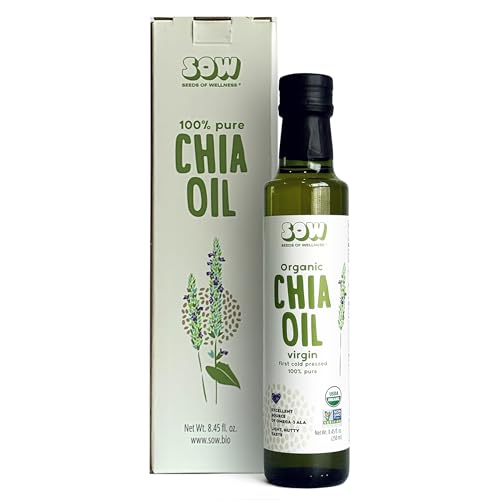
Seeds of Wellness Organic Chia Oil, Cold-Pressed, Unrefined, 250 ml
- Pure Organic Chia Oil: First cold-pressed, unrefined, non-GMO
- Rich in Omega-3 ALA: Plant-based, vegan, gluten-free nutrients
- Easy Daily Dose: One teaspoon provides 3,150 mg Omega-3
As an affiliate, we earn on qualifying purchases.
As an affiliate, we earn on qualifying purchases.
anti-inflammatory chia seed products
As an affiliate, we earn on qualifying purchases.
As an affiliate, we earn on qualifying purchases.