Including chia seeds in your diet can help improve your heart health by lowering cholesterol and blood pressure. Their omega-3 fatty acids reduce inflammation while soluble fiber binds to cholesterol, aiding its removal from your body. This combination supports better blood vessel elasticity and less arterial stiffness. Consistent intake provides a natural way to manage these risk factors, and if you want to understand more about how chia seeds benefit your heart, explore further details below.
Key Takeaways
- Chia seeds are rich in omega-3 fatty acids that reduce inflammation and lower bad cholesterol (LDL).
- The high fiber content in chia helps bind to cholesterol, aiding its removal from the body.
- Omega-3s and fiber work together to decrease blood pressure and improve blood vessel elasticity.
- Regular chia seed consumption supports better lipid profiles and reduces heart disease risk factors.
- Their nutrient profile promotes overall cardiovascular health by managing cholesterol and maintaining healthy blood pressure.
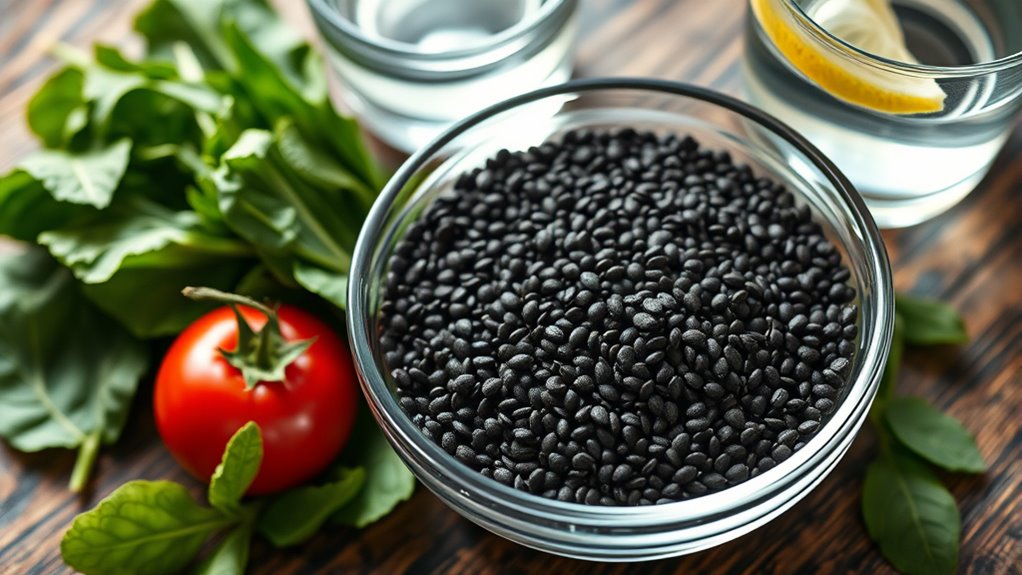
Chia seeds have gained popularity as a superfood, especially for their potential to support heart health. You might have heard that adding them to your diet can make a difference, and there’s good reason for that. These tiny seeds are packed with nutrients that directly benefit your cardiovascular system, primarily through their omega-3 fatty acids and fiber content. Omega-3s are essential fats known for reducing inflammation and lowering bad cholesterol levels, which are key factors in maintaining a healthy heart. When you include chia seeds in your meals, you’re providing your body with a plant-based source of these beneficial fats. Unlike fish oil, chia seeds offer a gentle, sustainable way to boost your omega-3 intake without the fishy aftertaste. As you consume more chia, you help improve your blood lipid profile, potentially lowering your risk of heart disease over time.
In addition to omega-3s, the fiber content in chia seeds plays a fundamental role in heart health. When you sprinkle them onto yogurt, add them to smoothies, or mix them into oatmeal, you’re increasing your intake of soluble fiber. This type of fiber binds to cholesterol molecules in your digestive system, helping to remove them from your body before they can clog your arteries. By doing so, chia seeds can help reduce your LDL, or “bad” cholesterol, which is often a culprit in heart disease. The fiber also stabilizes blood sugar levels, preventing sudden spikes that can contribute to insulin resistance and related heart issues. As your fiber intake increases, you’ll notice better digestion and a feeling of fullness that can help with weight management—another important factor for maintaining a healthy heart.
Furthermore, the combination of omega-3 fatty acids and fiber in chia seeds works synergistically. The fats help decrease inflammation, while the fiber supports cholesterol management, creating a two-pronged approach to cardiovascular health. Regularly consuming chia seeds can also help lower blood pressure, thanks to their ability to improve blood vessel elasticity and reduce arterial stiffness. This means your arteries stay more flexible, making it easier for blood to flow smoothly throughout your body. Additionally, understanding the importance of site performance metrics can help you see how these dietary changes positively impact your overall health. As you incorporate chia seeds into your diet consistently, you’re actively supporting your heart’s health, reducing the risk factors associated with hypertension and high cholesterol. In the end, these small seeds serve as a powerful addition to your overall wellness routine, helping you protect your heart with natural, nutrient-rich food choices.

COOLJOB 6 Pairs Gardening Gloves for Women Ladies, Breathable Rubber Coated for Yard Garden, Outdoor Indoor Protective Work with Grip, Medium Size, Red & Green
GARDENING GLOVES SPECIALLY FOR WOMEN - Lightweight & breathable knitted base for a comfortable fit. Flexible rubber coating...
As an affiliate, we earn on qualifying purchases.
Frequently Asked Questions
Can Chia Seeds Help Prevent Heart Disease?
You might wonder if chia seeds can prevent heart disease. They contain antioxidants that protect your cells from damage, which is essential for heart health. By including chia seeds in your diet, you can help lower bad cholesterol and blood pressure, both key factors in preventing heart disease. Regular consumption of these nutrient-rich seeds supports your cardiovascular system and promotes overall heart health.
How Much Chia Seeds Should I Consume Daily?
You’re wondering about your daily intake of chia seeds. Generally, a serving size of about 1 to 2 tablespoons, roughly 15 to 30 grams, is recommended. This amount provides healthy omega-3s, fiber, and antioxidants without overdoing it. It’s best to start with 1 tablespoon daily, then adjust based on your diet and how your body responds. Consistency is key to enjoying their health benefits.
Are There Any Side Effects of Eating Chia Seeds?
You might wonder if eating chia seeds has side effects. While they’re generally safe, some people experience digestive issues like bloating or constipation if they eat too many or don’t drink enough water. Allergic reactions are rare but possible. To avoid discomfort, start with small amounts and stay well-hydrated. If you notice any allergic symptoms or persistent digestive issues, consult a healthcare professional.
Do Chia Seeds Interact With Heart Medications?
You might wonder if chia seeds interact with your heart medications. While there’s limited research, chia seeds contain omega-3s and fiber that could affect blood thinning and blood pressure. Be cautious about drug interactions and dosage considerations; consuming large amounts might enhance medication effects or cause side effects. Always talk to your healthcare provider before adding chia seeds to your diet, especially if you’re on heart medications, to guarantee safe, personalized advice.
Can Chia Seeds Replace Cholesterol-Lowering Medications?
You probably wonder if chia seeds can replace cholesterol-lowering medications. While seed benefits include improving cholesterol and blood pressure as part of a healthy diet, they shouldn’t replace prescribed treatments without your doctor’s advice. Dietary recommendations suggest incorporating chia seeds for heart health, but medications are essential for managing serious conditions. Use chia seeds as a supplement, not a substitute, and always consult your healthcare provider before making changes.

WZQH Leather Work Gloves for Men or Women.Gardening,Welding,Coffee-grey L
【EXCELLENT MATERIAL AND DESIGN】-This heavy duty gloves is made of 100% split cowhide leather and soft lining with...
As an affiliate, we earn on qualifying purchases.
Conclusion
Think of chia seeds as tiny guardians patrolling your bloodstream, quietly working to lower cholesterol and keep your blood pressure in check. As they weave through your arteries like vigilant sentinels, they help prevent blockages and promote a healthier heart. By adding these small warriors to your diet, you’re strengthening your body’s fortress from within. Embrace chia seeds, and let them be your trusty allies in the ongoing battle for heart health.

COOLJOB Gardening Gloves for Men, 2 Pairs Breathable Rubber Coated for Garden Weeding Landscaping, Outside Work for Lawn Yard, Men's Large Size, Black & Red
GARDEN GLOVES FOR MEN - Breathable and comfortable polyester base in red and black to keep your hands...
As an affiliate, we earn on qualifying purchases.

PHAIN 4-Tier Seed Sprouting Kit with Drain Holes and Drain Tray, Upgrade Stackable Microgreens Fresh Organic Bean Seed Sprouter Tray Ripple Soil-Free Sprouter Tray for Beans Alfalfa Seeds
DESIGNED FOR NON-SLIP & DRAINAGE: Designed for fast and healthy seed germination, this seed germination tray combines a...
As an affiliate, we earn on qualifying purchases.