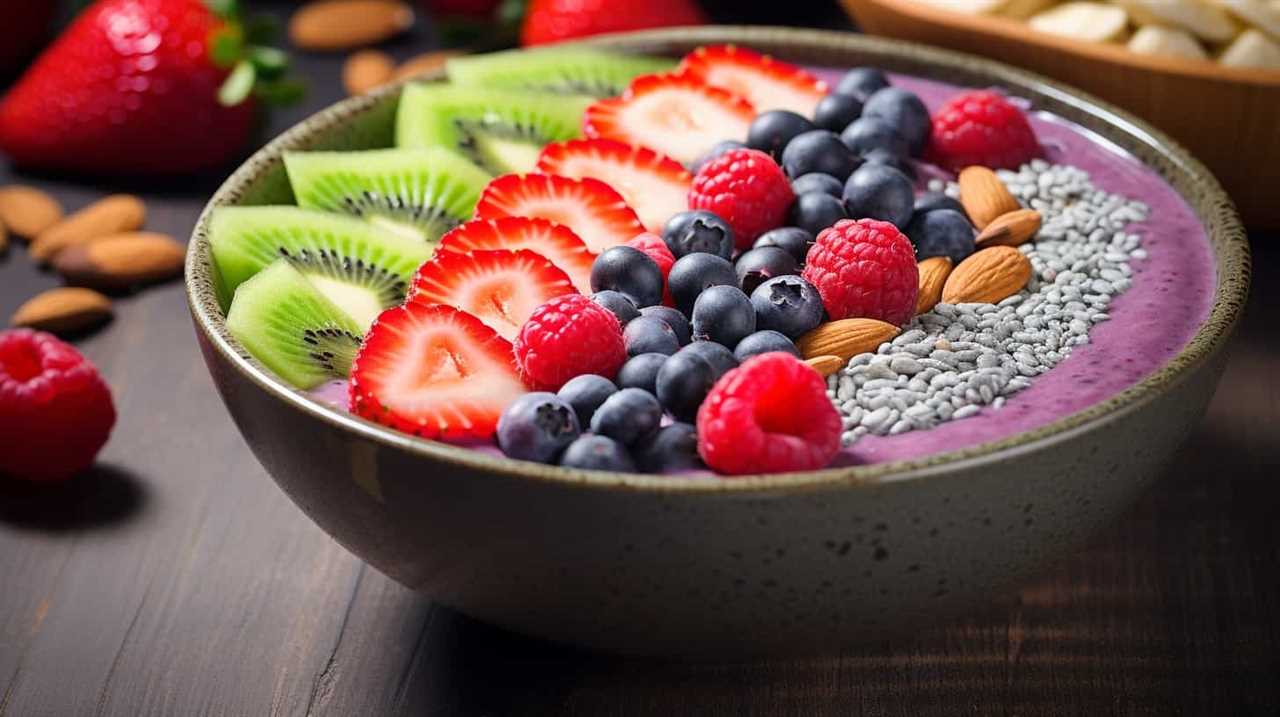
Chia seeds help regulate blood sugar by being high in fiber, which forms a gel-like substance that slows digestion and glucose release. Their low glycemic index means they cause gradual blood sugar increases, while the fiber improves insulin sensitivity. Plus, nutrients like omega-3s and antioxidants support metabolic health. Incorporating chia into your diet can help stabilize blood sugar levels naturally. Keep exploring to discover more ways chia can boost your health.

Get garden gear delivered free — and shop member deals
- Fast, free delivery on millions of items
- Access to Prime Big Deal Days deals on October 6–7
- Prime Video, Amazon Music and more included
Key Takeaways
- The high fiber content in chia seeds forms a gel that slows digestion and glucose absorption.
- Chia seeds have a low glycemic index, leading to gradual blood sugar increases after meals.
- The fiber in chia improves insulin sensitivity, aiding blood sugar regulation and reducing insulin resistance.
- Omega-3 fatty acids and antioxidants in chia reduce inflammation, supporting metabolic health and glucose processing.
- Incorporating chia seeds into meals promotes fullness and helps stabilize blood sugar levels naturally.

Chia seeds have gained popularity as a superfood, partly because of their potential to help regulate blood sugar levels. One of the key reasons for this is their impressive fiber content. When you consume chia seeds, you’re adding a substantial amount of dietary fiber to your diet. This fiber forms a gel-like substance when it interacts with water, which slows down the digestion process. As a result, the release of glucose into your bloodstream happens gradually, helping to keep your blood sugar levels stable. The high fiber content not only promotes feelings of fullness but also reduces the rapid spikes in blood sugar that can occur after eating carbohydrate-rich foods.
Chia seeds’ fiber slows digestion, stabilizing blood sugar and reducing spikes after meals.
Another important aspect is the glycemic index (GI) of chia seeds. The GI measures how quickly a carbohydrate-containing food raises blood sugar levels. Foods with a high GI cause rapid spikes, while those with a low GI lead to a slower, more controlled increase. Chia seeds have a very low glycemic index, which means they don’t cause sharp blood sugar rises. Incorporating chia seeds into your meals can help lower the overall GI of your diet. For example, adding chia seeds to yogurt, smoothies, or oatmeal can help moderate the glycemic response, making your blood sugar levels more predictable and easier to manage.
The fiber in chia seeds also plays a role in improving insulin sensitivity, which is vital for blood sugar regulation. When you regularly include chia seeds in your diet, they can help your body respond better to insulin, the hormone responsible for transporting sugar from your bloodstream into your cells for energy. This effect is especially beneficial if you’re dealing with insulin resistance or prediabetes. Moreover, the gel-forming fiber in chia seeds can slow gastric emptying, meaning food remains in your stomach longer. This delay helps prevent sudden sugar surges and promotes a more balanced absorption of nutrients.
In addition to fiber and GI, chia seeds are packed with omega-3 fatty acids, antioxidants, and protein, all of which contribute to overall metabolic health. These nutrients work together to reduce inflammation and improve your body’s ability to process glucose effectively. Understanding the benefits of these nutrients can help you make more informed dietary choices. By including chia seeds in your diet, you’re not only gaining a versatile superfood but also supporting your body’s natural mechanisms to keep blood sugar levels steady. Overall, their fiber content and low glycemic index make chia seeds a smart choice for anyone looking to enhance blood sugar control naturally.
Frequently Asked Questions
Can Chia Seeds Replace Diabetes Medication?
No, chia seeds can’t replace diabetes medication. While they help regulate blood sugar levels, you shouldn’t stop taking your prescribed diabetes medication without consulting your doctor. Chia seeds can be a helpful addition to your diet, supporting blood sugar control, but they aren’t a substitute for the medication your healthcare provider recommends. Always follow your doctor’s advice to manage your diabetes effectively and safely.
How Much Chia Seeds Should I Consume Daily?
You’re about to reveal the secret to optimal health—just a tablespoon of chia seeds daily can make a huge difference. Stick to a portion size of 1 to 2 tablespoons, and consume them regularly, about every day or every other day. This consistent consumption helps you benefit from their fiber and omega-3s, supporting blood sugar regulation. Remember, moderation is key to reaping their full benefits without overdoing it.
Are There Any Side Effects of Eating Chia Seeds?
Eating chia seeds can provide digestive benefits, but you should be aware of potential side effects. Some people might experience bloating, gas, or stomach discomfort if they consume too many or don’t hydrate them properly. Additionally, allergy risks exist, especially if you’re allergic to seeds or similar foods. To avoid these issues, start with small amounts, drink plenty of water, and monitor your body’s response.
Do Chia Seeds Affect Blood Sugar Levels Immediately?
When you eat chia seeds, they don’t cause instant blood sugar spikes like sugary snacks might. Think of chia seed absorption as a slow-burning candle; it releases energy gradually. While you might see a small, gentle change in blood sugar levels right after eating, the full effect takes time. So, no, chia seeds don’t immediately affect your blood sugar, helping you maintain steady energy.
Can Chia Seeds Help With Long-Term Blood Sugar Control?
Yes, chia seeds can help with long-term blood sugar control. Their high fiber content slows down your digestion, which reduces your glycemic response over time. Incorporating chia seeds into your diet regularly helps stabilize blood sugar levels, preventing spikes and crashes. This consistent approach supports better overall blood sugar management, especially for people with insulin resistance or type 2 diabetes, making chia seeds a valuable addition to your health routine.
Conclusion
By incorporating chia seeds into your diet, you gently steer your body toward better blood sugar balance. Their subtle support helps your system operate smoothly, like a quiet partner in your wellness journey. Remember, small steps can lead to meaningful shifts, and chia seeds are here to lend that quiet, nurturing touch. Embrace this nourishing addition, and let your body flourish quietly, with each mindful choice guiding you toward a healthier, more balanced life.
Fall yard work Picks
leaf blowers
As an affiliate, we earn on qualifying purchases.