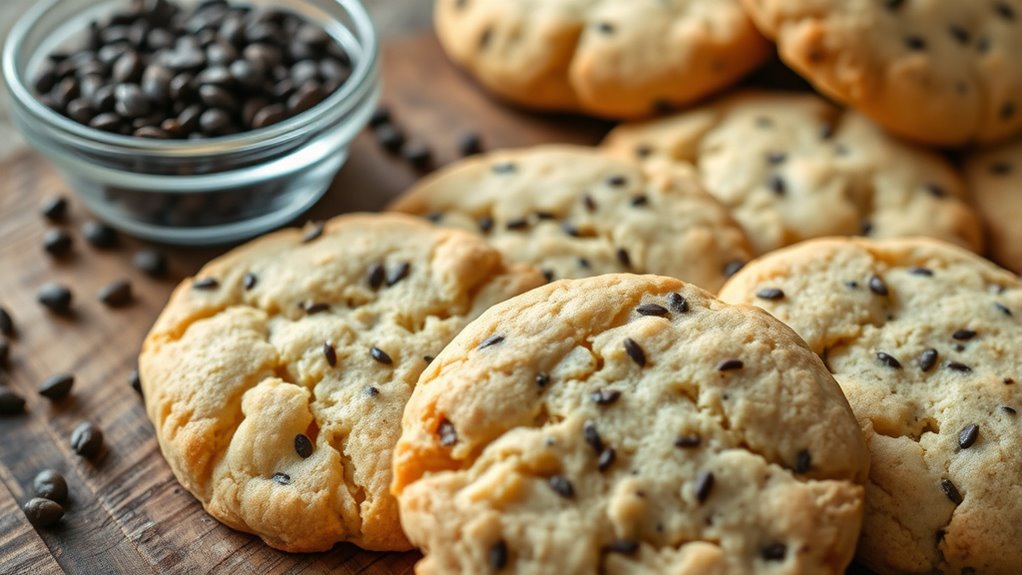
To enhance gluten-free biscuits and cookies with chia, start by replacing eggs with a chia egg mixture—one tablespoon of chia seeds soaked in three tablespoons of water. This binds ingredients better, adds moisture, and improves texture, resulting in tender, cohesive treats. Combine the chia eggs with high-quality gluten-free flour blends, and use proper baking techniques and equipment for best results. Keep exploring for more tips to perfect your baking.

Get garden gear delivered free with Prime
- Fast, free delivery on millions of items
- Prime Video, Amazon Music and more included
- Member-only deals all year
Key Takeaways
- Chia eggs improve binding, resulting in a cohesive, tender crumb in gluten-free biscuits and cookies.
- Incorporating chia enhances moisture retention, keeping baked goods fresh and moist longer.
- Using chia seeds boosts nutritional value with fiber, omega-3s, and antioxidants.
- Chia’s gel-like consistency helps replicate gluten’s structure, improving texture and rise.
- Replacing eggs with chia allows for vegan-friendly, allergen-free baked goods without sacrificing quality.
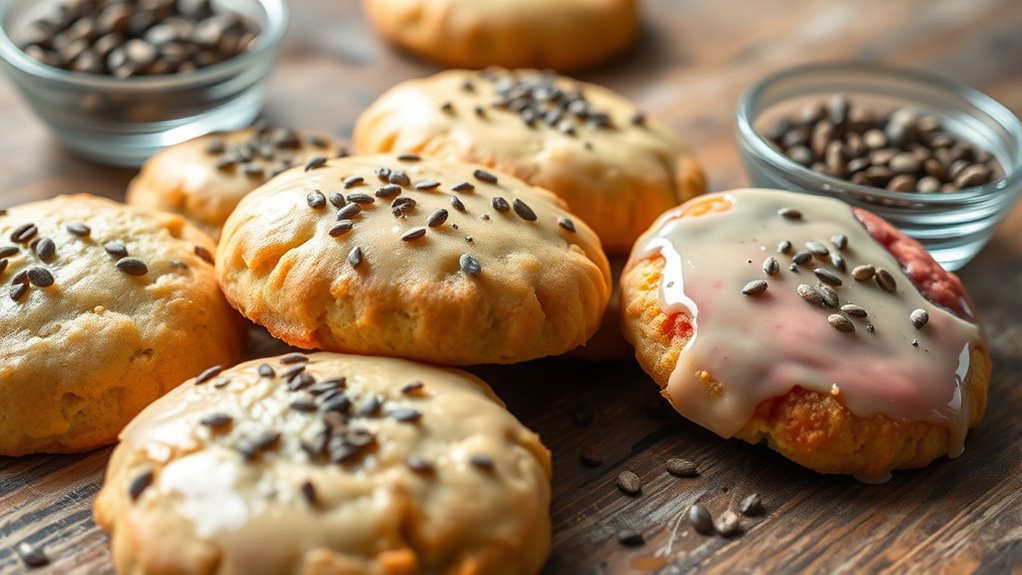
If you’re looking to enjoy delicious baked treats without gluten, you’re in the right place. When baking gluten-free biscuits and cookies, one of the key challenges is replicating the texture and binding qualities that gluten provides. That’s where chia egg substitutes come into play. Chia seeds, when soaked in water, form a gel-like consistency that acts as an excellent binder, mimicking the role of eggs in traditional baking. This makes them a perfect addition for gluten-free recipes, especially if you’re aiming to create moist, cohesive biscuits and cookies without sacrificing flavor or structure. Simply mix one tablespoon of chia seeds with three tablespoons of water, let it sit for a few minutes until it thickens, and you’ve got a versatile egg replacer that’s also packed with omega-3 fatty acids and fiber. Incorporating chia eggs into your recipes can improve the texture, ensuring your baked goods hold together well and have a tender crumb.
To maximize the benefits of chia egg substitutes, it’s essential to pair them with high-quality gluten free flour blends. These blends typically combine rice flour, tapioca starch, potato starch, and sometimes sorghum or millet flour, creating a balanced mixture that closely resembles wheat flour. Using a reliable gluten free flour blend guarantees your biscuits and cookies will have the right consistency, flavor, and rise. When combined with chia eggs, these blends help produce baked goods that are both cohesive and tender, with a satisfying crumb. Many store-bought gluten free flour blends are pre-mixed for convenience, but you can also create your own blend tailored to your taste and dietary needs. This flexibility allows you to experiment with different ratios and ingredients to perfect your cookies and biscuits.
Additionally, choosing the right baking equipment such as non-stick baking sheets or silicone mats can help ensure even baking and prevent sticking, further enhancing your gluten-free baked goods. It’s worth noting that chia seed-based egg substitutes not only enhance texture but also boost nutritional content. Chia seeds add extra fiber, antioxidants, and omega-3s, which can make your baked treats healthier. Plus, they’re a natural, plant-based alternative to eggs, making your recipes suitable for vegans or those with egg allergies. When using chia eggs, remember to adjust other ingredients slightly if needed, as they can sometimes absorb more moisture than eggs. Overall, combining chia seed substitutes with quality gluten free flour blends is an effective way to create gluten-free biscuits and cookies that are moist, cohesive, and full of flavor. With a little experimentation, you’ll find that these simple swaps can elevate your baking and satisfy your gluten-free cravings without sacrificing texture or taste.
gluten-free baking chia egg replacer
As an affiliate, we earn on qualifying purchases.
As an affiliate, we earn on qualifying purchases.
Frequently Asked Questions
Can Chia Replace Eggs in Gluten-Free Cookie Recipes?
Yes, you can use chia as a binder to replace eggs in gluten-free cookie recipes. When mixed with water, chia creates a gel that mimics egg’s binding properties. Keep in mind, chia has a mild, nutty flavor profile that might subtly influence your cookies’ taste. Use about one tablespoon of chia seeds with three tablespoons of water for each egg you’re replacing, and you’ll achieve a similar binding effect.
How Does Chia Affect the Shelf Life of Gluten-Free Baked Goods?
Chia helps extend shelf life in gluten-free baked goods by acting as a natural preservative, thanks to its antioxidants. To prevent rancidity, you should store your cookies and biscuits in airtight containers and keep them in cool, dark places. Additionally, using preservation methods like freezing can further slow spoilage. Regularly check for signs of spoilage, and incorporating chia regularly helps maintain freshness longer.
Are There Specific Types of Chia Best for Baking?
Like selecting the perfect brush for a masterpiece, choosing the right chia seed varieties matters in baking. For baking with chia, opt for whole or ground black or white chia seeds, as they blend seamlessly and provide ideal texture. Both are rich in nutrients and create a gel-like consistency that enhances gluten‑free biscuits and cookies, ensuring your baked goods are moist and cohesive. Select quality chia for the best baking results.
Does Chia Improve the Texture of Gluten-Free Biscuits?
Yes, chia enhances the texture of gluten-free biscuits. Its seed benefits include adding moisture and elasticity, which help compensate for the lack of gluten. When you mix chia seeds with liquid, they form a gel that acts as a binder, resulting in a softer, chewier texture. Incorporating chia guarantees your gluten-free biscuits are not only more cohesive but also have a pleasant, improved mouthfeel.
Can Chia Reduce the Need for Added Fats in Baking?
Imagine chia as a magic wand, turning your baking into a guilt-free wonderland. Yes, chia can reduce the need for added fats, thanks to chia oil’s healthy fats and chia viscosity that mimics butter’s richness. It creates a moist, tender crumb while cutting calories. So, next time you bake, rely on chia to cut fats and boost nutrition without sacrificing that delightful texture.
vegan gluten-free cookie baking supplies
As an affiliate, we earn on qualifying purchases.
As an affiliate, we earn on qualifying purchases.
Conclusion
By adding chia to your gluten-free biscuits and cookies, you turn a simple treat into a powerhouse of nutrition and texture. Think of chia as the secret ingredient that weaves moisture, fiber, and crunch into every bite, transforming your baking experience. With each batch, you’re not just making cookies—you’re crafting a delicious symphony of health and flavor. So, embrace the chia, and let your baked goods dance with vigor and taste.
As an affiliate, we earn on qualifying purchases.
gluten-free flour blend for cookies
As an affiliate, we earn on qualifying purchases.
As an affiliate, we earn on qualifying purchases.
Fall yard work Picks
leaf blowers
As an affiliate, we earn on qualifying purchases.