Chia seeds are a naturally gluten-free superfood packed with fiber, omega-3 fatty acids, and minerals like calcium and magnesium, making them ideal for managing celiac disease. They support digestive health, help regulate blood sugar, and promote bone strength—important factors for those avoiding gluten. Always choose certified gluten-free chia seeds to prevent cross-contamination. Discover more about how chia can boost your health and fit into your gluten-free lifestyle.
Key Takeaways
- Chia seeds are naturally gluten-free and safe for celiac patients when labeled certified gluten-free.
- Rich in fiber, chia seeds support digestive health and help regulate blood sugar levels.
- They provide essential minerals like calcium and magnesium, aiding bone health often affected by celiac disease.
- Chia seeds offer omega-3 fatty acids, promoting heart health and reducing inflammation.
- Their versatility allows easy incorporation into gluten-free diets, enhancing nutrient intake and meal variety.
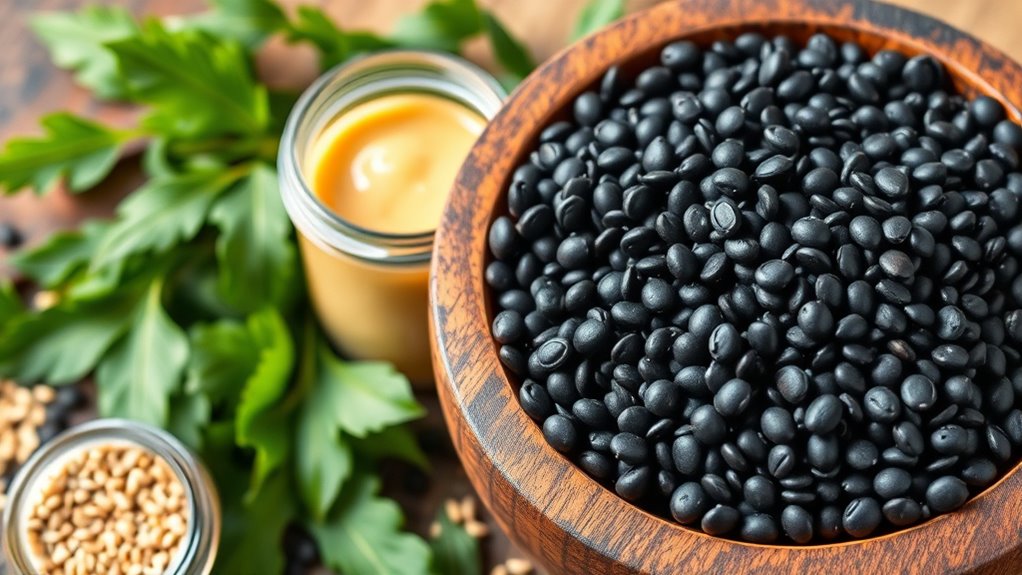
Have you ever wondered if chia seeds are safe for people with celiac disease? The good news is, they are naturally gluten-free, making them a popular choice for those who need to avoid gluten. The gluten free benefits of chia seeds mean you can incorporate them into your diet without worrying about gluten cross-contamination, especially if you buy certified gluten-free varieties. This makes chia seeds an excellent nutrient-dense addition to a celiac-friendly diet, providing a versatile way to boost your intake of essential nutrients without risking gluten exposure.
Understanding their nutritional profile is key to appreciating why chia seeds are so beneficial. These tiny seeds pack a punch with high levels of fiber, healthy omega-3 fatty acids, protein, vitamins, and minerals. They’re a rich source of alpha-linolenic acid (ALA), a plant-based omega-3, which supports heart health and reduces inflammation. Their high fiber content promotes digestive health and can help regulate blood sugar levels, which is especially important if you’re managing celiac disease-related digestive issues. Furthermore, chia seeds contain calcium, magnesium, and phosphorus, crucial minerals that contribute to bone health—something to keep in mind since malabsorption issues can sometimes affect nutritional status in celiac patients.
Chia seeds are packed with fiber, omega-3s, protein, and minerals that support digestion and bone health.
Because chia seeds are naturally gluten-free and minimally processed, they are unlikely to contain hidden gluten traces unless they’re cross-contaminated during processing. Always check labels and opt for certified gluten-free products to guarantee safety. Incorporating chia seeds into your diet is straightforward; you can sprinkle them over salads, mix them into smoothies, or add them to gluten-free baking recipes. When soaked in water or milk, they develop a gel-like consistency, making them a useful thickener for puddings and smoothies, adding both texture and nutritional value.
In addition, understanding the importance of safe food handling can help prevent cross-contamination and ensure your chia seeds remain gluten-free. In short, chia seeds are an excellent addition to a celiac-friendly diet because they combine gluten free benefits with a highly nutritious profile. They deliver essential nutrients that support overall health, especially for those who need to be cautious about gluten exposure. Just remember to choose high-quality, certified gluten-free chia seeds to avoid cross-contamination. Their versatility and dense nutrient content make them a smart choice for anyone looking to enhance their diet while managing celiac disease. With a little planning, you can enjoy all the health benefits chia seeds have to offer without compromising your gluten-free lifestyle.

Viva Naturals Organic Chia Seeds, 2 lb, 32 Oz – Plant-Based Omega-3 and Vegan Protein, Gluten Free & Non-GMO, Perfect for Smoothies, Salads & Chia Pudding
PLANT-BASED OMEGAS-3 — Omega fatty acids are important fats, and luckily chia seeds organic contain omega-3s. Incorporate them…
As an affiliate, we earn on qualifying purchases.
As an affiliate, we earn on qualifying purchases.
Frequently Asked Questions
Are Chia Seeds Safe for All Celiac Patients?
Chia seeds are generally safe for most celiac patients because they’re naturally gluten-free, making them a good gluten-free alternative. However, you should be cautious if you have seed allergies or sensitivities, as some individuals might react to chia seeds. Always check for cross-contamination during processing and consult your healthcare provider before adding them to your diet, especially if you have known seed allergies or other food sensitivities.
How Much Chia Seed Is Recommended Daily for Celiac Individuals?
For celiac individuals, a safe daily chia seed dosage generally ranges from 1 to 2 tablespoons, which provides essential nutrients without overdoing fiber or omega-3s. Your daily chia intake should be balanced within this limit to avoid digestive discomfort. Always start with a small amount, and if you have concerns or experience symptoms, consult your healthcare provider. Consistency and moderation are key to reaping chia’s benefits safely.
Can Chia Seeds Replace Gluten in Recipes?
Yes, you can use chia seeds as a gluten replacement in recipes. They work well as baking substitutes because when soaked, they create a gel-like consistency that mimics eggs or gluten’s binding properties. Incorporate ground chia seeds into your baking to add structure and moisture. While they won’t replace gluten’s elasticity entirely, they’re an excellent natural option for gluten-free baking and help improve texture and cohesion.
Are There Any Allergy Concerns With Chia Seeds?
You might wonder if chia seeds pose allergy concerns, and it’s worth investigating. While rare, some people could experience cross reactivity concerns or allergic reactions. Always check allergen labeling on packaging, especially if you have seed allergies. If you notice symptoms like itching, swelling, or difficulty breathing after consuming chia seeds, consult a healthcare professional. Being cautious helps prevent unexpected allergic reactions and ensures safe consumption.
Do Chia Seeds Affect Gluten Antibody Levels?
Chia seeds don’t directly affect gluten antibody levels or the immune response in celiac disease. Since they are naturally gluten-free, they won’t provoke an immune response related to gluten. However, if you have celiac disease, always check for cross-contamination and consult your healthcare provider before adding new foods. Including chia seeds in your diet can support overall health without impacting your gluten antibody levels.

BetterBody Foods Organic Chia Seeds 2 lbs, 32 Oz, with Omega-3, Non-GMO, Gluten Free, Keto Diet Friendly, Vegan, Good Source of Fiber
NUTRIENT POWER: This omega powerhouse is full of other useful nutrients that will help men and women live…
As an affiliate, we earn on qualifying purchases.
As an affiliate, we earn on qualifying purchases.
Conclusion
With chia seeds’ charming charm, you can confidently incorporate them into your celiac-friendly cuisine. Their nutritional nuances nourish your body, offering omega-3s, fiber, and protein with purity and purpose. By blending these tiny treasures into your meals, you embrace a balanced, bountiful lifestyle. So, seize the seed, savor the benefits, and step confidently into a healthier, happier you—because every bite builds your best, brightest brain and body.
BetterBody Foods Organic Chia Seeds 2 lbs, 32 Oz, with Omega-3, Non-GMO, Gluten Free, Keto Diet Friendly, Vegan, Good Source of Fiber
NUTRIENT POWER: This omega powerhouse is full of other useful nutrients that will help men and women live…
As an affiliate, we earn on qualifying purchases.
As an affiliate, we earn on qualifying purchases.
BetterBody Foods Organic Chia Seeds 2 lbs, 32 Oz, with Omega-3, Non-GMO, Gluten Free, Keto Diet Friendly, Vegan, Good Source of Fiber
NUTRIENT POWER: This omega powerhouse is full of other useful nutrients that will help men and women live…
As an affiliate, we earn on qualifying purchases.
As an affiliate, we earn on qualifying purchases.