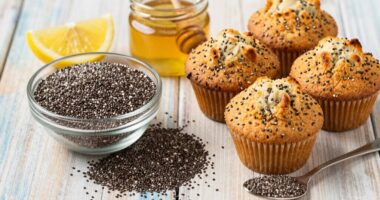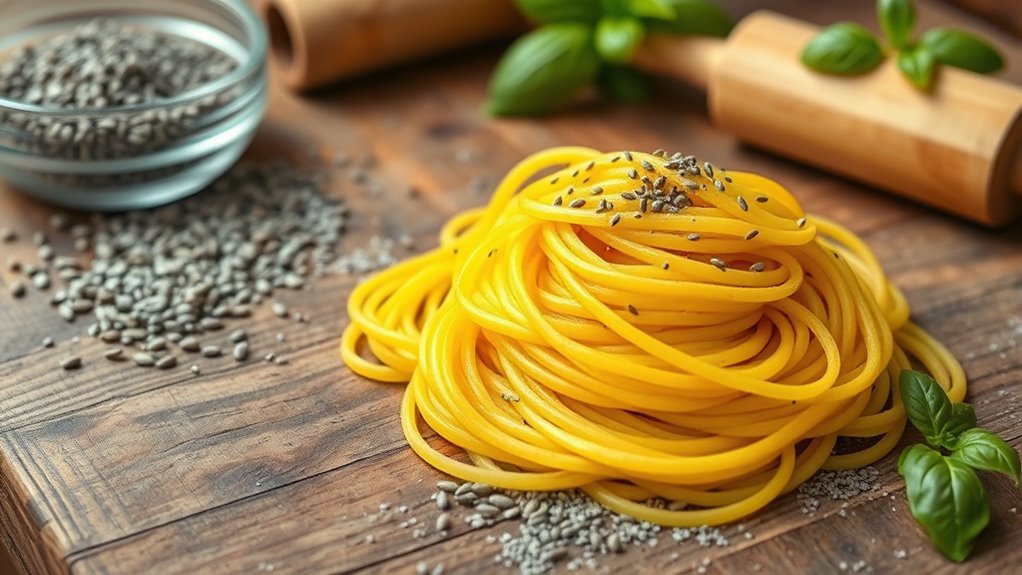

To create gluten-free pasta with chia seeds, start by grinding the seeds into a fine powder or using them whole. Mix them with your choice of gluten-free flours like rice or chickpea, adding eggs or plant-based binders for elasticity. Rest the dough briefly to hydrate the chia seeds, making it easier to roll and shape. This process results in a nutritious, flavorful pasta with a satisfying texture—continue to explore for more tips and variations.

Get garden gear delivered free — and shop member deals
- Fast, free delivery on millions of items
- Access to Prime Big Deal Days deals on October 6–7
- Prime Video, Amazon Music and more included
Key Takeaways
- Incorporate ground or whole chia seeds into gluten-free flour blends like rice or almond flour for added nutrition.
- Mix chia seeds with eggs or plant-based binders to improve dough elasticity and cohesiveness.
- Allow the dough to rest briefly to hydrate chia seeds and enhance shaping and rolling.
- Hydrate chia seeds beforehand to achieve a smooth, workable dough suitable for shaping into various pasta styles.
- Use different chia seed varieties (black, white, golden) to customize flavor and visual appeal of the pasta.

Have you ever wondered how to make delicious, healthy gluten-free pasta at home? Creating your own pasta allows you to control ingredients and customize flavors, especially when incorporating chia seeds. These tiny powerhouses are packed with nutritional benefits, making your homemade pasta not only tasty but also a nourishing choice. Chia seeds are rich in omega-3 fatty acids, fiber, antioxidants, and protein, which can help improve digestion, support heart health, and boost energy levels. By adding chia seeds to your pasta dough, you’re creating a meal that’s both satisfying and beneficial for your overall wellness.
Discover how chia seeds boost your gluten-free pasta’s flavor and nutrition effortlessly.
When exploring chia seed varieties, you’ll find options like black, white, and sometimes even golden chia seeds. Each variety offers similar nutritional benefits, but white chia seeds tend to have a milder flavor and lighter appearance, which can be more appealing in certain dishes. Black chia seeds, on the other hand, have a slightly earthier taste and a more striking visual contrast in your pasta. Regardless of the variety you choose, incorporating chia seeds into your pasta dough can help improve the texture by adding a subtle crunch and a boost of nutrition. The seeds absorb liquid quickly, so you’ll notice that your dough becomes more elastic and easier to work with, which is essential for shaping and rolling out pasta.
To start, you’ll want to grind the chia seeds into a fine powder or use whole seeds, depending on your desired texture. Grinding them helps incorporate the seeds evenly into your dough and ensures you get maximum nutritional benefits with each bite. Mixing chia seeds with gluten-free flours like rice, almond, or chickpea flour enhances the dough’s structure and flavor. When combined with eggs or a plant-based binder like flaxseed, chia seeds help create a cohesive, pliable dough that holds together well during rolling and shaping. The added fiber and healthy fats from chia seeds not only make your pasta more nutritious but also improve its mouthfeel, giving it a slightly chewy, satisfying quality. Additionally, understanding how to properly maintain sprayer equipment can be analogous to handling your dough—both require proper care and technique to achieve the best results.
Making gluten-free pasta with chia seeds is straightforward once you get the hang of it. Start by blending your chosen chia seed variety into your dry ingredients, then gradually add liquids until the dough forms a smooth, workable consistency. Let it rest for a few minutes to allow the chia seeds to hydrate fully, which will make rolling easier. From there, you can cut and shape your pasta into your preferred styles—fettuccine, penne, or even ravioli—knowing that each bite is packed with the health benefits of chia seeds. This simple addition transforms a basic gluten-free pasta into a nutritious, flavorful, and satisfying meal you can feel good about eating.
As an affiliate, we earn on qualifying purchases.
Frequently Asked Questions
Can Chia Seed Pasta Be Stored Long-Term?
Yes, chia seed pasta can be stored long-term if you follow proper shelf life and storage tips. Keep it in an airtight container in a cool, dry place away from direct sunlight to maintain freshness. For extended storage, you can freeze it, which helps preserve its quality for several months. Always check for signs of spoilage before eating, and consume within the recommended time to enjoy the best taste and texture.
Is Chia Seed Pasta Suitable for Baking?
Did you know that chia seeds are rich in omega-3s and fiber? Chia seed pasta is generally suitable for baking, but you should consider its unique texture. It tends to be softer and more delicate, so baking might alter its consistency. For best results, incorporate it into recipes like casseroles or baked dishes where its moisture retention benefits the final product. Keep these texture considerations in mind for successful baking!
How Does Chia Seed Pasta Taste Compared to Traditional Pasta?
Chia seed pasta has a mild, slightly nutty flavor profile that differs from traditional pasta, which tends to be more neutral. You’ll notice a denser, slightly chewy texture compared to the smooth, firm bite of wheat-based pasta. While it may take some getting used to, the unique flavor and texture offer a wholesome twist. It’s perfect if you’re seeking a nutritious alternative with a subtle taste.
Are There Any Allergies Associated With Chia Seed Pasta?
Think of chia seed pasta as a double-edged sword—while it’s packed with nutrients, allergy concerns and seed sensitivities can turn it into a potential trigger. Some people might experience reactions like itching, swelling, or digestive issues. If you have known seed allergies or sensitivities, it’s best to consult your healthcare provider before trying it. Always check ingredient labels to avoid unexpected allergic reactions, ensuring a safe and enjoyable meal.
What Are the Nutritional Benefits of Chia Seed Pasta?
Chia seed pasta offers impressive chia seed nutrition, making it a healthy choice. It’s rich in omega-3 fatty acids, fiber, and protein, which support your heart, digestion, and energy levels. The pasta’s health benefits include helping control blood sugar and promoting satiety. By choosing chia seed pasta, you boost your diet with essential nutrients, contributing to overall well-being and supporting your active lifestyle.
As an affiliate, we earn on qualifying purchases.
Conclusion
Now that you’ve explored making gluten-free pasta with chia seeds, it’s clear this nutritious option isn’t just a myth. Chia seeds add valuable fiber and omega-3s, enhancing both texture and health benefits. While some might doubt if it can truly replace traditional pasta, evidence shows it’s a viable, tasty alternative. So go ahead, experiment with your own recipe—chances are, you’ll love how chia seeds can turn simple pasta into a wholesome, satisfying meal.
gluten-free flour blend for pasta
As an affiliate, we earn on qualifying purchases.
As an affiliate, we earn on qualifying purchases.
plant-based egg replacer for pasta
As an affiliate, we earn on qualifying purchases.
As an affiliate, we earn on qualifying purchases.
Fall yard work Picks
leaf blowers
As an affiliate, we earn on qualifying purchases.