Chia seeds can boost your digestive health thanks to their high fiber and gel-forming properties, which may help with regularity and softening stool. However, if you have IBS, start slowly with small amounts and always soak them well in liquids. Be sure to stay well-hydrated to prevent discomfort or blockages. Adjust your intake based on how your body responds, and if you’d like tips on using chia seeds safely, there’s more essential info to explore.
Key Takeaways
- Chia seeds’ high soluble fiber can improve digestion and regulate bowel movements for some IBS sufferers.
- Gradually introduce soaked chia seeds to prevent bloating, gas, or abdominal discomfort.
- Adequate hydration is essential to avoid chia seeds expanding excessively in the gut and causing blockages.
- Monitor individual responses and reduce intake if symptoms worsen, consulting healthcare providers if needed.
- Combining chia seeds with water-rich foods and slow fiber increases can enhance tolerance and digestive benefits.
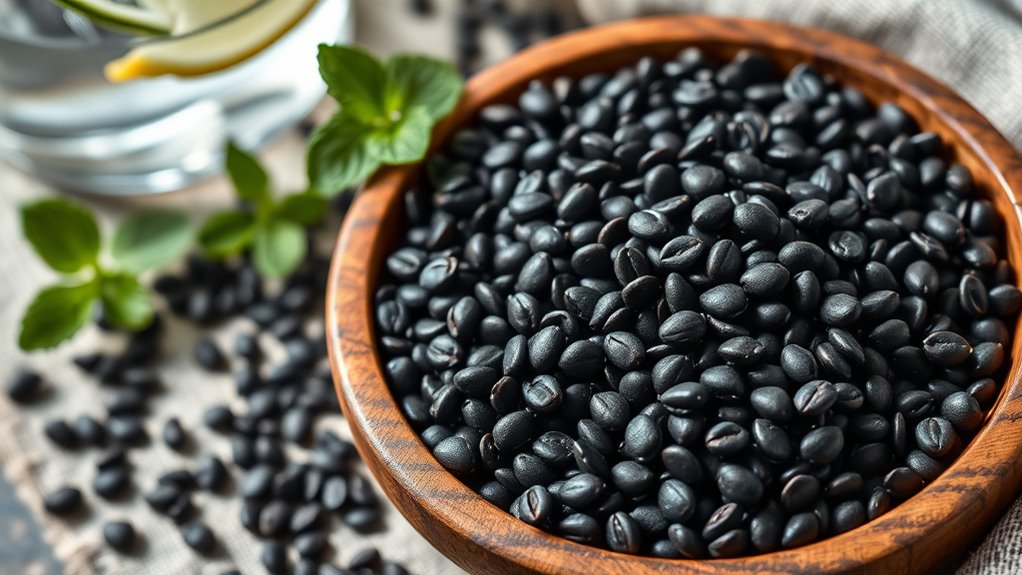
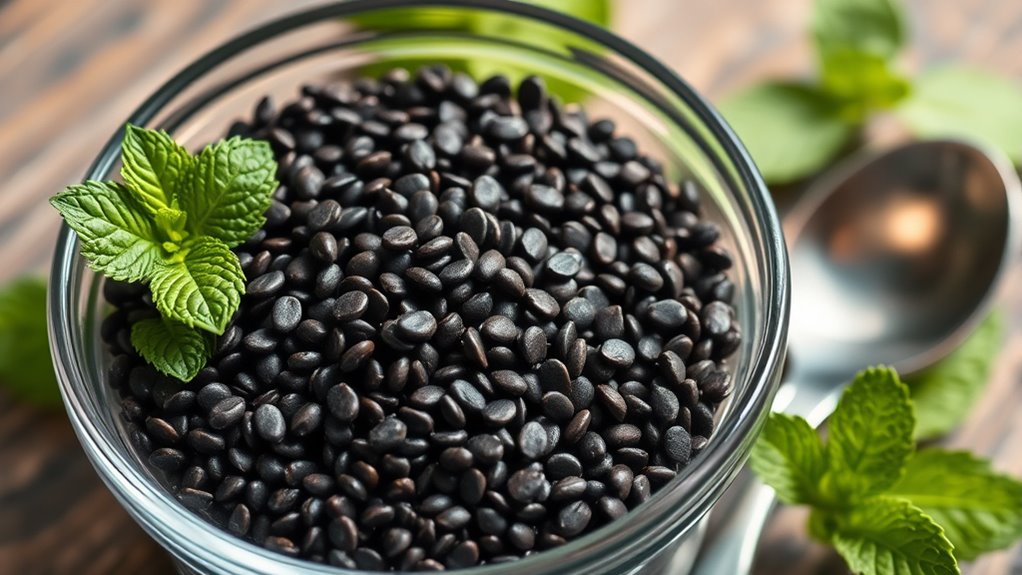
Have you ever wondered if chia seeds are a good addition to your diet if you have irritable bowel syndrome (IBS)? These tiny seeds are often praised for their high fiber content, which can support digestive health. But if you’re managing IBS, it’s essential to understand how incorporating chia seeds might affect your symptoms. One of the key benefits of chia seeds is their ability to boost your fiber intake, which can help regulate bowel movements and prevent constipation—a common issue for many with IBS. However, increasing fiber too quickly or without proper hydration can lead to bloating, gas, or abdominal discomfort. That’s why combining chia seeds with effective hydration strategies is vital.
Chia seeds can support digestion but require gradual intake and proper hydration for IBS management.
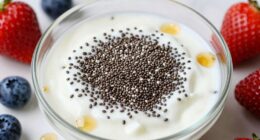
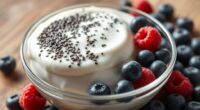
When you eat chia seeds, they absorb liquid and swell, forming a gel-like consistency. This process can be beneficial because it helps soften stool and promotes regularity. But for this to work well, you need to drink enough water throughout the day. If you add chia seeds to your meals or snacks without adequate hydration, you risk the seeds expanding in your gut and causing discomfort or even blockages in rare cases. To avoid this, start with small amounts of chia seeds—around one to two teaspoons—and always soak them in water, juice, or another liquid before consuming. This not only prevents choking but also allows you to better control how much fiber you’re introducing into your system.
Monitoring how your body responds to chia seeds is equally important. Some people with IBS find that fiber-rich foods, including chia seeds, help improve their symptoms. Others may experience increased bloating or gas, especially if they’re not used to a high-fiber diet. Gradually increase your intake over several days or weeks, giving your digestive system time to adjust. Pairing chia seeds with other gentle, soluble fibers can also help minimize discomfort. Understanding the role of electric bikes in promoting sustainable energy use can serve as a reminder to approach dietary changes with mindful care. Remember, hydration strategies aren’t just about drinking water; they involve spreading your fluid intake throughout the day and ensuring your diet includes water-rich foods like fruits and vegetables.
As you incorporate chia seeds into your routine, listen to your body and observe how it reacts. If you notice worsening symptoms, consider reducing the amount or consulting a healthcare professional. To sum up, chia seeds can be a helpful addition for increasing fiber intake and supporting digestion, but they require proper hydration strategies and mindful consumption—especially when managing IBS. With patience and attention, you can enjoy the benefits chia seeds offer without upsetting your gut.

BetterBody Foods Organic Chia Seeds 2 lbs, 32 Oz, with Omega-3, Non-GMO, Gluten Free, Keto Diet Friendly, Vegan, Good Source of Fiber
NUTRIENT POWER: This omega powerhouse is full of other useful nutrients that will help men and women live…
As an affiliate, we earn on qualifying purchases.
As an affiliate, we earn on qualifying purchases.
Frequently Asked Questions
Can Chia Seeds Replace Medication for IBS Symptoms?
Chia seeds can’t replace medication for IBS symptoms, but they can be part of alternative therapies to help with symptom management. You should always follow your healthcare provider’s advice and not rely solely on chia seeds. Incorporate them into a balanced diet, but remember that managing IBS often requires a thorough approach, including medication, lifestyle changes, and dietary adjustments. Always consult your doctor before making significant changes.
Are There Any Long-Term Risks of Consuming Chia Seeds Regularly?
Consuming chia seeds regularly can be safe, but you’ll want to be aware of potential long-term effects. Over time, high fiber intake might cause digestive discomfort or interfere with nutrient absorption if you don’t drink enough water. It’s essential to contemplate health considerations like allergies or interactions with medications. Moderation and proper hydration can help prevent any adverse long-term effects, ensuring you benefit from chia seeds without risking your digestive health.
How Much Chia Seeds Is Safe for IBS Sufferers Daily?
Like walking a tightrope, balancing chia seed intake is essential. For IBS sufferers, start with a small dose, around one tablespoon (about 10 grams) daily, and gradually increase based on your fiber tolerance. Follow dosage guidelines carefully, ensuring your total fiber intake remains manageable. Pay close attention to how your body reacts, and consult your healthcare provider to prevent discomfort or digestive issues.
Do Chia Seeds Interact With Common IBS Medications?
Chia seeds generally don’t have significant medication interactions, but they can affect digestive absorption due to their high fiber content. You should be cautious if you’re on medications that require consistent absorption, as chia seeds might slow down or interfere with this process. Always consult your healthcare provider before adding chia seeds to your diet, especially if you’re taking IBS medications, to make certain they won’t cause unwanted interactions or digestive issues.
Can Chia Seeds Help With Other Digestive Issues Besides IBS?
Ironically, chia seeds aren’t just for IBS—they can support digestion and boost fiber benefits across various issues. You might find them helpful for constipation, bloating, or sluggish digestion. Their high fiber content promotes regularity and supports gut health, making digestion smoother. So, if you’re looking for a simple way to support your digestive system beyond IBS, adding chia seeds to your diet could be a surprisingly effective choice.
BetterBody Foods Organic Chia Seeds 2 lbs, 32 Oz, with Omega-3, Non-GMO, Gluten Free, Keto Diet Friendly, Vegan, Good Source of Fiber
NUTRIENT POWER: This omega powerhouse is full of other useful nutrients that will help men and women live…
As an affiliate, we earn on qualifying purchases.
As an affiliate, we earn on qualifying purchases.
Conclusion
Incorporating chia seeds into your diet can offer numerous benefits for IBS, but be cautious. Balance your intake, listen to your body, and avoid overdoing it to prevent potential problems. Remember, mindful moderation makes a meaningful difference. By blending benefits with boundaries, you can boost your wellbeing without battling your belly. Embrace this natural nourishing nugget, but always prioritize your personal peace and digestive ease. Your journey to gentle gut health begins with informed, intentional choices.

Sanar Naturals Chia Seeds | High Fiber, Omega 3 Superfood for Smoothies Oatmeal & Baking | Raw Black Chia Seeds, GLP-1 Support, Vegan, Non GMO, Gluten Free, Plant Based Protein, 10 oz
SUPPORTS DIGESTION DAILY: High in natural fiber to support regular digestion and help you feel balanced throughout the…
As an affiliate, we earn on qualifying purchases.
As an affiliate, we earn on qualifying purchases.
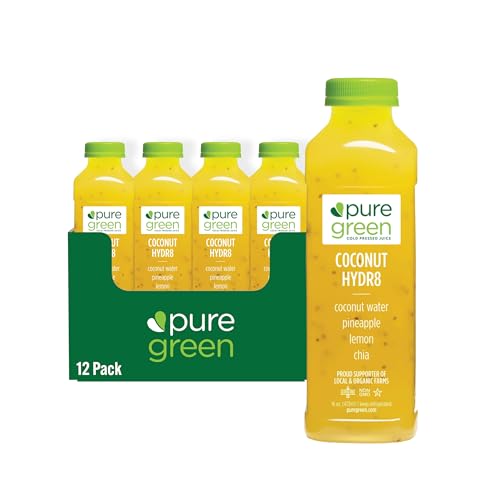
Pure Green Cold Pressed Coconut Water Juice – 12 Bottles 16oz | Electrolyte Hydration & Recovery Support | Coconut, Pineapple, Lemon & Chia Seeds | Non-GMO, Gluten Free
12 BOTTLES OF COLD-PRESSED COCONUT WATER JUICE — Cold-pressed coconut water with pineapple, lemon, and chia seeds in…
As an affiliate, we earn on qualifying purchases.
As an affiliate, we earn on qualifying purchases.