TL;DR

Get garden gear delivered free — and shop member deals
- Fast, free delivery on millions of items
- Access to Prime Big Deal Days deals on October 6–7
- Prime Video, Amazon Music and more included
A Gardening Know How report warns that a very strong El Niño could bring wetter-than-normal conditions to parts of the United States, increasing risks for plants in cold, saturated soil. It names lavender, hens and chicks, agave, garlic, tulips, coral bells and strawberries, and recommends drainage improvements, careful mulching and monitoring. Forecasts vary by region, and El Niño does not guarantee the same conditions in every garden.
Gardening Know How has flagged seven plants that could be at risk if a very strong El Niño brings prolonged rain, cold snaps and freeze-thaw cycles to parts of the United States this winter. The report says cold, saturated soil can suffocate roots, encourage rot and lift shallow-rooted plants from the ground, and recommends improving drainage and adjusting winter care before conditions set in.
The plants identified are lavender, hens and chicks, agave, garlic, tulips, coral bells and strawberries. The report’s concern is not that all will necessarily be damaged, but that each can be vulnerable to a combination of wet soil and cold weather. Waterlogged ground limits oxygen around roots, while water molds including Phytophthora and Pythium can contribute to root rot. Repeated freezing and thawing can also push shallow-rooted plants upward, leaving roots exposed.
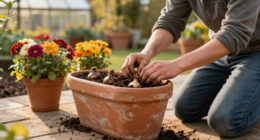
Several recommendations focus on moving water away from plants and using free materials from fall yard cleanup to protect them through winter. Lavender and succulents such as hens and chicks do better in fast-draining ground; gravel or grit can help keep crowns and rosettes from sitting in wet soil. The report advises placing potted lavender under cover and lifting pots so water can drain. Agaves are better positioned on a slope, berm or raised bed, where rain does not collect around the roots or in the plant’s center.
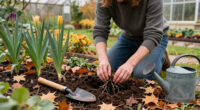
For bulbs and food crops, the report recommends raised beds or mounded rows for garlic and strawberries, and a well-drained site for tulips. It says to mulch garlic after the soil cools, and to cover strawberries with a loose layer of straw or pine straw after a couple of light frosts. For coral bells, it advises adding mulch after the first frost while keeping it clear of the crown, then checking after thaws for plants lifted out of the soil.
How Saturated Soil Threatens Plants
The report focuses on a winter hazard that can be less visible than heat or drought: soil that stays cold and wet for weeks. Plants adapted to dry or sharply drained conditions may struggle when water accumulates around their roots. Persistent saturation can deprive roots of oxygen and create conditions associated with rot, while temperature swings can cause physical damage by shifting soil around plants.
That matters for both ornamental gardens and food crops. Damage to garlic cloves or tulip bulbs can happen underground before new growth appears, while exposed roots on strawberries or coral bells may be stressed by cold and drying winds. Taking steps such as raising planting areas or correcting drainage may reduce exposure, but the recommendations do not establish that any particular plant will fail in a given garden.
drainage improvement for garden beds
As an affiliate, we earn on qualifying purchases.
As an affiliate, we earn on qualifying purchases.
What the Winter Outlook Says
The source report cites a NOAA outlook putting the odds of a very strong El Niño above 90% and pointing to wetter-than-normal conditions across much of the southern and central United States, California, parts of the Great Plains and the Atlantic coast. It describes temperatures as likely to differ by region: the northern United States is generally expected to be warmer than normal, while the Southeast could see cooler spells.
Those are broad seasonal expectations, not a yard-by-yard forecast. Gardening Know How cautions that a strong El Niño will not produce the same winter conditions everywhere. The practical advice is framed as preparation for possible cold and wet weather, rather than a prediction that all seven plants will be harmed.
“A very strong El Niño could make this a challenging winter for gardens across parts of the US.”
— Gardening Know How report
As an affiliate, we earn on qualifying purchases.
Local Weather and Plant Risk
Exact local rainfall, temperatures and freeze-thaw patterns remain uncertain. A national or regional seasonal outlook cannot establish whether an individual garden will experience weeks of saturated soil, how severe any cold snaps will be, or whether a particular plant will survive. Plant variety, soil type, site drainage and existing disease problems can also affect outcomes.
The source does not provide a location-by-location risk assessment or independent research quantifying the likelihood of damage to each of the seven plants. Its recommendations should be understood as gardening guidance tied to a possible wet winter, not as confirmation that El Niño will cause losses.
As an affiliate, we earn on qualifying purchases.
Prepare Before Winter Weather
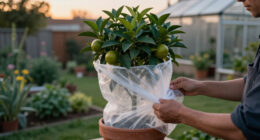
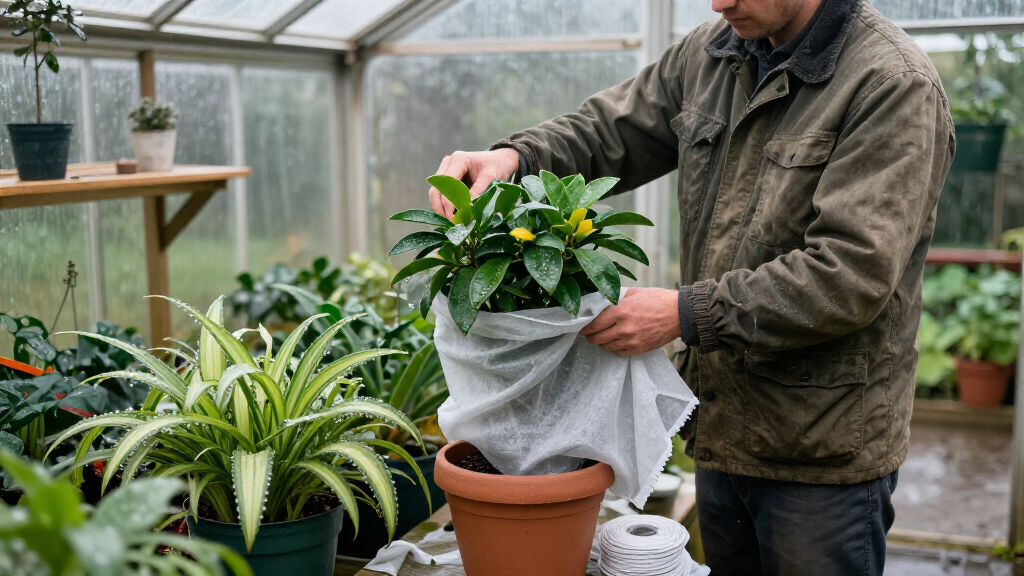
Gardeners can check their local forecasts and inspect beds for places where water pools before winter conditions arrive. The report recommends improving drainage where needed, moving vulnerable pots under shelter, and using mulch according to each plant’s needs. It specifically cautions against using moisture-holding wood chips or straw around lavender’s crown, while suggesting loose straw or pine straw for garlic and strawberries at the appropriate point in the season.
As freezes and thaws occur, gardeners can monitor shallow-rooted plants, especially coral bells and strawberries, and return heaved plants to the soil when conditions allow. The source gives no single date for these tasks because timing depends on local weather. Further risk guidance will depend on updated regional forecasts and the conditions each garden actually experiences.
As an affiliate, we earn on qualifying purchases.
Key Questions
Which plants does the report identify as vulnerable?
The seven are lavender, hens and chicks, agave, garlic, tulips, coral bells and strawberries. The report says they may be at risk when cold weather coincides with prolonged wet soil or repeated freeze-thaw cycles.
Does a strong El Niño mean these plants will die?
No. The report describes a potential risk, not a certain outcome. Seasonal conditions vary by region, and soil drainage, plant variety and local weather all affect what happens in a particular garden.
What is the main threat to these plants?
Cold, waterlogged soil can reduce oxygen around roots and create conditions associated with rot. Freeze-thaw cycles may also lift shallow-rooted plants, exposing their roots to cold and drying air.
What are the main protective steps?
Improve drainage, use raised beds or mounded rows where appropriate, and place vulnerable pots where they can drain or stay out of repeated rain. Apply mulch according to the plant’s needs: the report advises keeping mulch away from lavender and coral bell crowns, while recommending seasonal straw or pine straw for garlic and strawberries.
Source: rss
Fall Picks
fall essentials
As an affiliate, we earn on qualifying purchases.