TL;DR

Get garden gear delivered free with Prime
- Fast, free delivery on millions of items
- Prime Video, Amazon Music and more included
- Member-only deals all year
A Gardening Know How report recommends hawthorn, crabapple and dogwood as plants that can make gardens more inviting to cardinals by providing fruit, insects, perching spots and cover. Planting them may help, but it cannot guarantee more visits; regional suitability, water, shelter and other habitat features also matter.
A Gardening Know How report recommends hawthorn, crabapple and dogwood as garden additions that can make yards more inviting to cardinals by offering food and shelter. The plants may improve habitat, but the report does not say that adding them will guarantee more cardinal visits.
Hawthorn can provide several resources for birds: its flowers attract insects, some species produce small fruits called haws, and its dense, sometimes thorny branches offer places to perch and shelter. The report advises gardeners to choose a species that suits local growing conditions and available space, and says native varieties are worth considering for their value to local wildlife.
Crabapple trees add spring blossoms and small fruits that can feed birds in fall and winter. Some varieties retain fruit on the branches after their leaves drop, when other food sources may be less available. Their branches also provide perching places and contribute to a layered garden structure.
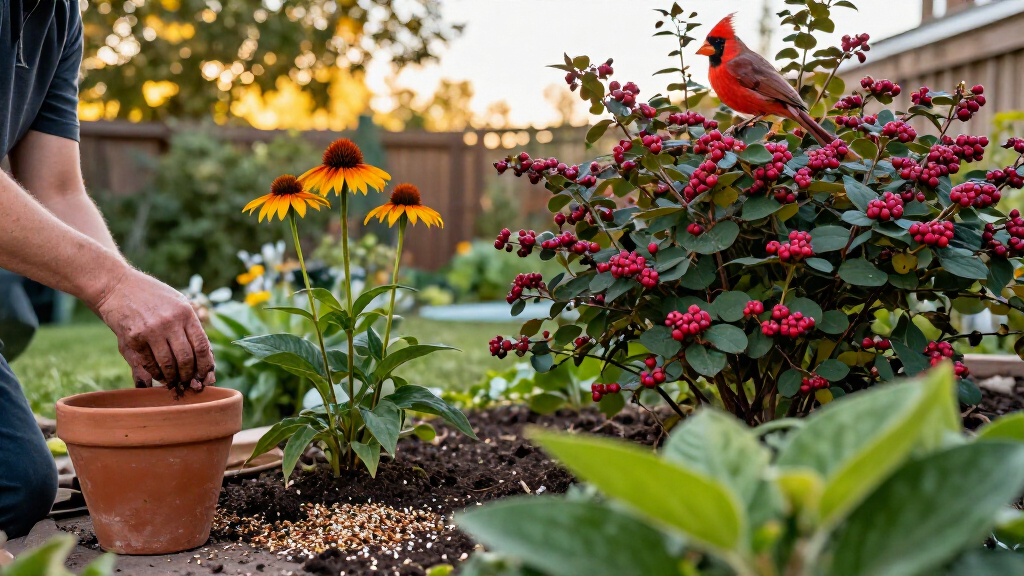
Dogwoods can be trees or shrubs, depending on the species. Many produce berries eaten by cardinals and other birds; the report cites the Cornell Lab of Ornithology as listing dogwood among fruits cardinals eat. Seasonal flowers, foliage, berries and branching growth can provide a mix of food and cover. The report recommends considering native dogwood species suited to the region.
Food and Cover for Visiting Cardinals
The recommendations focus on habitat rather than a single bird-feeder food. Cardinals eat seeds, fruit and insects, and the report says they favor gardens with dense vegetation where they can forage while hiding from predators. A mix of plants that supports food at different times of year and provides shelter may make a yard more useful to birds.
For gardeners, the practical point is that planting choices can serve more than an ornamental purpose. Hawthorn, crabapple and dogwood offer seasonal flowers, foliage or fruit while contributing potential food and cover. Their benefits depend on the species, local conditions and how the rest of the garden is managed; the source provides no evidence that any one tree will reliably bring a particular number of cardinals.
As an affiliate, we earn on qualifying purchases.
A Garden Beyond Bird Feeders
The report describes cardinals as year-round residents across much of the eastern and central United States. It argues that gardens can support them by meeting everyday needs for food, shelter and nesting locations, rather than relying only on feeders. The three recommended plant groups are presented as starting points, not as a complete habitat plan.
It also advises providing a reliable water source, keeping dense shrubs or tangled vegetation for cover, choosing plants native to the area where possible, and avoiding pesticides wherever possible. The report names particular nursery cultivars, but its broader advice is to select plants suited to the garden and region. It does not provide comparative trials or measurements showing which species attracts the most cardinals.
“Think beyond bird feeders and give cardinals more of what they naturally need: food, shelter, and places to nest.”
— Gardening Know How report
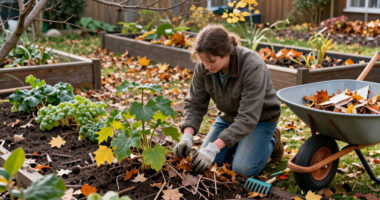
Crabapple tree with fruit for birds
As an affiliate, we earn on qualifying purchases.
As an affiliate, we earn on qualifying purchases.
What Planting Cannot Guarantee
The report does not quantify how much these plants affect cardinal visits, compare them against other species, or establish that planting one or more will draw additional birds to a particular yard. Results may depend on local climate, plant variety, existing habitat and food availability. It also does not specify how quickly newly planted trees or shrubs might provide meaningful cover or fruit.
Cardinals may visit a garden for reasons beyond its plants, and the supplied material offers general gardening guidance rather than a controlled study. The best choice for a particular yard—and whether it will lead to more sightings—remains uncertain.
As an affiliate, we earn on qualifying purchases.
Choosing Plants for Your Region
Gardeners considering the recommendations can check which native hawthorn, crabapple and dogwood species grow well in their area, then match selections to the garden’s available space and conditions. A varied planting that provides cover and seasonal food, paired with water and minimal pesticide use, follows the report’s habitat advice.
The source does not announce a new study, planting program or follow-up milestone. Whether these choices increase cardinal visits in an individual garden can only be judged over time; the report offers no forecast or guaranteed outcome.
Native bird-friendly garden plants
As an affiliate, we earn on qualifying purchases.
As an affiliate, we earn on qualifying purchases.
Key Questions
Which three plants does the report recommend?
It recommends hawthorn, crabapple and dogwood, with the caveat that gardeners should select species suited to local conditions.
Will planting these guarantee more cardinals?
No. The report says the plants can make a garden more inviting by offering food and cover, but it provides no guarantee or measured estimate of increased visits.
What else can gardeners provide for cardinals?
The report recommends dense vegetation for shelter and nesting, a reliable water source, a range of food across seasons and avoiding pesticides wherever possible.
Should I choose native plants?
The report says native varieties suited to the region are worth considering because they can support local wildlife. Gardeners should also check that a plant fits their site and growing conditions.
Source: rss
Fall Picks
fall essentials
As an affiliate, we earn on qualifying purchases.