
TL;DR

Get garden gear delivered free with Prime
- Fast, free delivery on millions of items
- Prime Video, Amazon Music and more included
- Member-only deals all year
An October care guide from Gardening Know How recommends leaving healthy coneflower seedheads standing for birds, removing heavily diseased foliage and taking modest steps to protect roots. The report advises delaying the main cutback until spring, while noting that seed production varies by cultivar and winter needs depend on local conditions.
Gardening Know How’s October guide advises gardeners to leave healthy coneflower seedheads standing, remove foliage badly affected by disease and protect roots without cutting the whole plant back. The seasonal advice matters to gardeners planning for winter because it balances plant care with a potential food source for goldfinches and other seed-eating birds, alongside other fall garden tasks like knowing which plants not to prune in October.
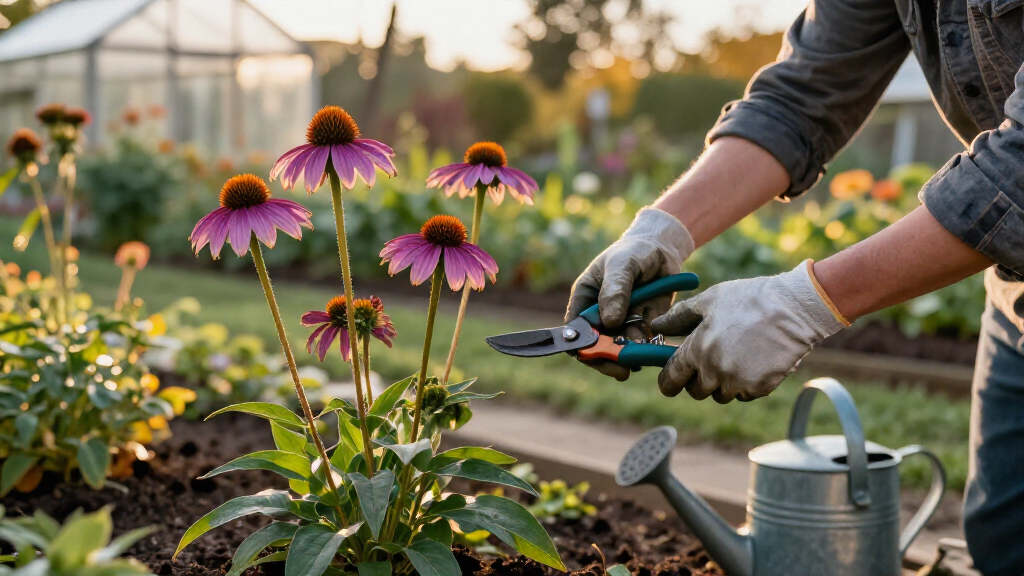
The report’s first recommendation is to resist deadheading every faded flower. Once the petals fall, the dried central cones contain seeds that birds can forage on in fall and winter. American goldfinches are identified as particularly fond of coneflower seeds; other seed-eating birds may visit depending on region and the plants in a garden. Leaving stems also retains winter structure and texture, including when frost settles on the seedheads.
That wildlife benefit is not guaranteed to be equal across all plants. Gardening Know How notes that some double-flowered, highly bred varieties may produce less viable seed than simpler, single-flowered forms. Gardeners prioritizing seed for birds could consider native purple coneflower (Echinacea purpurea) and other varieties known to produce seed, the report says.
The second task is to inspect foliage before winter. The guide recommends removing material that is badly affected by fungal problems, including powdery mildew, which can look like a pale, powdery coating on leaves or stems. It advises using clean pruning tools and disposing of diseased debris rather than putting it in a home compost pile. The third task is to check drainage, water plants if the ground is dry before it freezes, and apply a light mulch if appropriate, keeping mulch off the plant crown. The main cutback can wait until spring, when new growth begins; in the meantime, gardeners can prune plants suited to October trimming.
Seedheads Support Winter Wildlife
The advice offers gardeners a way to avoid treating an untidy-looking fall border as a problem that must be solved immediately. Leaving healthy coneflower heads can provide foraging opportunities for birds while keeping stems in the garden through winter. The report presents this as a potential benefit, not a guarantee that birds will visit: activity depends on local species, available food and the coneflower variety.
Selective cleanup also distinguishes between useful standing stems and plant material that may carry disease. Removing badly affected foliage while retaining healthy seedheads gives gardeners a practical middle ground between cutting everything down and leaving all debris untouched. The root-care advice is similarly restrained: good drainage and modest protection, rather than extensive winter preparation, are the focus for established plants.
bypass pruning shears for garden plants
As an affiliate, we earn on qualifying purchases.
As an affiliate, we earn on qualifying purchases.
Three Tasks Before Winter
Coneflowers, or Echinacea, are perennial flowers that bloom in summer and can leave seed-bearing heads after their petals fade. The Gardening Know How report frames October as a chance to prepare established plants for colder weather, while allowing the remaining stems to serve a purpose in the garden. It does not recommend a complicated fall routine or a blanket cutback.
The advice is selective rather than absolute: retain healthy stems and seedheads, remove foliage that is heavily diseased, and leave the main pruning until spring. The report says coneflowers generally prefer well-drained soil and cautions against water pooling around the crowns in colder conditions. It also suggests that a light mulch may moderate soil temperatures, but should not be piled over the crown.
“Leave plenty of healthy seedheads in place and let them provide a natural food source.”
— Gardening Know How report
garden tool disinfectant for pruning shears
As an affiliate, we earn on qualifying purchases.
As an affiliate, we earn on qualifying purchases.
Local Conditions Shape Care
The report does not specify a single watering amount, mulch depth or date for cutting back, and those choices can depend on local weather, soil and growing conditions. It also does not quantify how much seed different coneflower cultivars provide. While it names goldfinches as frequent seed consumers, which birds visit a particular garden remains location-dependent. The guide offers general seasonal advice rather than a diagnosis for plants with severe or unusual symptoms.
organic mulch for perennial flower beds
As an affiliate, we earn on qualifying purchases.
As an affiliate, we earn on qualifying purchases.
Leave Cleanup Until Spring
For October, gardeners can inspect plants, remove badly diseased material with clean tools, check that water drains away from the crowns and leave healthy seedheads standing. If conditions are unusually dry, the report suggests watering before the soil freezes; any mulch should be light and kept away from the crown. The next planned step is to cut back old stems in spring, once warmer weather arrives and new growth begins. The report does not give a specific calendar date, so gardeners will need to follow local conditions.
native purple coneflower seeds Echinacea purpurea
As an affiliate, we earn on qualifying purchases.
As an affiliate, we earn on qualifying purchases.
Key Questions
Should coneflowers be cut back in October?
Not completely, according to the guide. Leave healthy stems and seedheads through winter, then cut back old stems in spring when new growth begins.
Do coneflower seedheads feed birds?
The report says dried seedheads can provide food for goldfinches and other seed-eating birds. Whether birds visit depends on the region and the plants available.
What should I do about powdery mildew?
Remove foliage that is badly affected, using clean pruning tools, and dispose of it appropriately rather than adding it to a home compost pile. The guide says minor cosmetic damage alone does not mean an otherwise healthy plant must be removed.
Do coneflowers need mulch before winter?
The report says a light layer of mulch can help moderate soil temperatures, but advises keeping it off the crown. It also recommends checking drainage so water does not pool around the plant.
Source: rss
Fall yard work Picks
leaf blowers
As an affiliate, we earn on qualifying purchases.