
TL;DR

Get garden gear delivered free with Prime
- Fast, free delivery on millions of items
- Prime Video, Amazon Music and more included
- Member-only deals all year
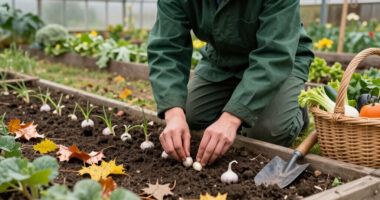
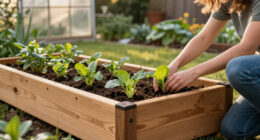
Planet Natural outlines three alternative ways to plant a 4-by-4-foot vegetable bed in November: salad leaves, roots with greens, or brassica transplants. The report stresses that “mild winter” covers different climates, so gardeners should check a local planting calendar before choosing crops; November planting does not guarantee a harvest within 30 days.
Planet Natural’s November vegetable-bed report describes three alternative plans for a 4-by-4-foot bed in mild-winter regions: salad leaves, roots with greens, or brassica transplants. It warns that the plans are not meant to be combined in one small bed and that “mild winter” can describe very different growing conditions, making a local planting calendar more useful than a broad regional label.
The report recommends choosing a plan only after checking local planting dates and considering the bed’s available light and the time left in the growing season. A frost-free coast, a southern garden that sometimes freezes, and a low-desert site do not share one November calendar. Elevation and local weather can also change which crops are suitable.
The salad plan divides the bed into four 2-foot squares: two for small lettuce transplants, one for arugula and one for a locally recommended Asian salad green such as mizuna. Gardeners are advised to follow each variety’s spacing and sowing guidance, and to use transplants or plant less if direct sowing is no longer suitable locally. The report recommends light, repeated leaf picking rather than stripping plants at once, since short days slow regrowth.
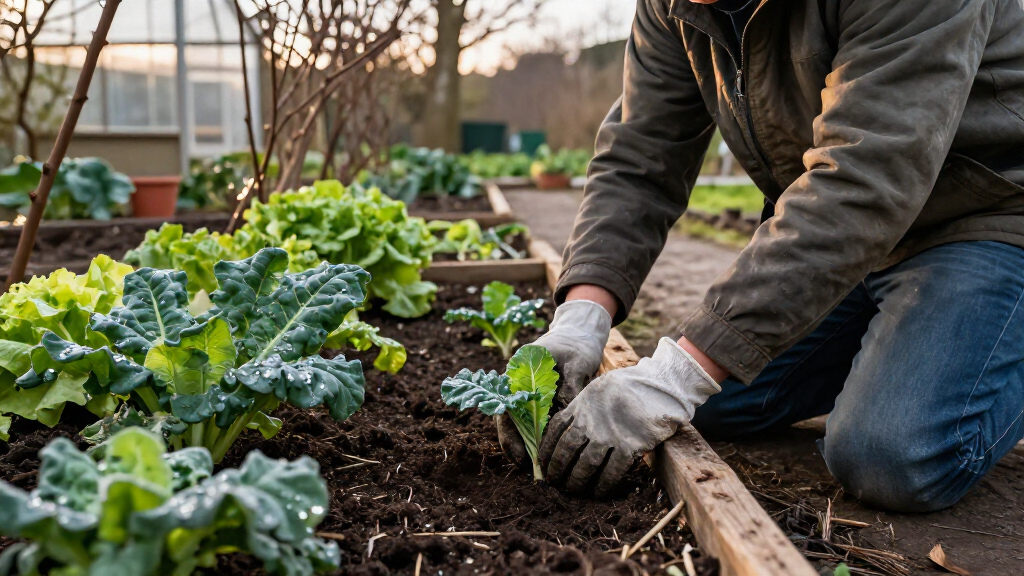
The roots-and-greens plan allocates half the bed to radishes, a quarter to carrots and a quarter to leafy transplants such as chard, provided those crops remain within the local planting window. The third option focuses on brassicas: two compact broccoli plants may fit along a bed edge, with kale added only if the cultivar’s mature spacing allows it. The source advises buying plants for their eventual size, not the number of plugs in a nursery tray.
A Small Bed Needs Local Timing
The plans offer gardeners a way to use a small bed during a season when growing conditions can vary sharply even within regions commonly described as mild. Choosing crops based on the actual site can reduce wasted seed, crowded transplants and expectations based on an unsuitable calendar. The report also makes clear that November planting is not a promise of food in 30 days: reduced daylight, shade, cold and crop choice all affect growth.
That distinction matters for harvest planning. Radishes may provide an earlier crop than carrots, while lettuce and other leafy plants need time to establish and recover after picking. Brassica transplants require room for mature growth, so fitting many young plants into a 4-by-4-foot space can leave them crowded later. These are different routes to a winter bed, not a guarantee that every listed crop will thrive at every site.
Products Worth Considering

De'Longhi Stilosa Compact Manual Espresso Machine with Milk Frother

Ninja Sizzle Indoor Grill and Griddle, 14-Inch, Grey/Silver (GR101)

Le Creuset Signature Enameled Cast Iron Round Dutch Oven, 5.5 qt, Deep Teal
As an affiliate, we earn on qualifying purchases.
Three Climates, Different Calendars
The source separates mild-winter gardening into three broad examples rather than treating it as a single growing zone. On the coast, gardens may avoid freezes but still receive marine cloud, short days and winter shade that slow growth. The report says UC Master Gardeners of Orange County recommend nursery starts for most cool-season vegetables in November, with crop-specific exceptions; that recommendation should not be assumed to apply to every coastal location.
In southern gardens where occasional frost is possible, the next cold front can affect a planting decision. Florida’s north, central and south regions have different calendars, the source says, and county guidance should be used rather than extending dates from one part of the state to another. For low-desert gardens, November may be an active planting period, but the report points readers to elevation-specific schedules. The University of Arizona’s planting guide, it says, reflects differences between low desert, high desert and mountain conditions.
Across all three examples, the report advises checking crop-specific local guidance before relying on a seed packet’s maturity estimate. It describes “days to maturity” as an estimate under good growing conditions, not a fixed harvest date for a shaded or cold bed.
Local Harvest Dates Remain Variable
The report does not give one planting date or expected harvest date that applies across mild-winter regions. It also does not establish that every crop in each plan will suit every garden: local frost risk, elevation, shade, soil condition and the remaining sowing window can change the choice. Gardeners need to consult a calendar for their county or specific growing area and follow the spacing and timing guidance for the varieties they select.
The available source material also does not provide a complete care schedule for the brassica plan, including all transplanting and protection instructions. It says supported row cover should be ready in southern gardens when forecasts warrant it, but does not specify a forecast threshold or a guaranteed level of frost protection. No specific yield is promised for any of the three layouts.
Check the Calendar Before Planting
The next step for gardeners is to identify which of the three climate examples best matches their site, then check local and crop-specific planting guidance before buying seed or transplants. They should confirm that the crop’s sowing window is still open, measure the bed against mature plant spacing, and account for shade and the forecast. For root crops, the source recommends labeling sowing dates and checking sample roots for usable size rather than pulling a full row on a packet’s advertised date.
After planting, gardeners can adjust watering to the crop and soil: keep new seed rows moist during germination without washing seed away, and water established transplants according to conditions beneath them. In regions that may experience frost, they can have supported row cover ready when the forecast calls for it. Harvest timing will become clearer as plants establish and local conditions unfold.
Key Questions
Can all three plans fit in one 4-by-4-foot bed?
No. The report presents three alternatives: a salad-leaf bed, roots with greens, or a brassica-focused bed. Combining them all is not the intended use of the space.
Will a November planting produce vegetables in 30 days?
Not necessarily. Planet Natural says planting may provide food later in winter, but does not promise a 30-day harvest. Cold, shade, short days and crop variety can affect growth.
Which plan works best in my area?
The source does not name one plan as best for every location. Check a local planting calendar, including county or elevation-specific guidance, then choose crops that remain within their November planting window.
How many broccoli plants should go in the brassica bed?
The report suggests two compact broccoli plants along the side that casts the least shade, while adding kale only if its mature spacing fits. Check cultivar spread before buying; a full nursery tray may not fit at normal spacing.
Are seed-packet maturity dates exact?
No. The report describes days to maturity as an estimate under good growing conditions. A cold or shaded November bed may take longer, so it recommends checking crops for useful size rather than relying only on the printed date.
Source: planetnatural.com