TL;DR

Get garden gear delivered free with Prime
- Fast, free delivery on millions of items
- Prime Video, Amazon Music and more included
- Member-only deals all year
A November gardening guide from Laidback Gardener recommends resisting a major fall cleanup and adapting tasks to local weather and garden conditions. Suggested jobs include planting hardy spring bulbs while the soil remains workable, harvesting cold-hardy vegetables, protecting young trees and draining hoses; healthy leaves and stems can stay in place as shelter, food and soil cover.
Laidback Gardener published its November gardening guide on November 1, recommending that gardeners skip a broad fall cleanup and instead tackle a few tasks suited to their local weather. The advice matters because leaves, stems and seed heads can provide winter cover, habitat and food, while planting opportunities and frost preparations depend on how quickly the ground freezes.
The guide says November is a reminder of things gardeners can do, not a mandatory checklist. Conditions vary by location: in some gardens it still feels like fall, while others may already be approaching winter. It advises readers to judge tasks by the weather and the actual state of their garden rather than the calendar alone.
In vegetable gardens, gardeners can harvest remaining cold-hardy crops such as carrots, parsnips, leeks, Brussels sprouts and kale before deeply frozen ground makes them difficult to pull. The guide also suggests dormant sowing hardy vegetables, including carrots and spinach, once the soil is cold enough to prevent seeds from sprouting before winter. A thin layer of compost can be spread over accessible soil without digging it in deeply.
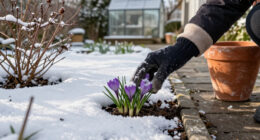
For ornamental beds, the guide recommends planting forgotten tulip or daffodil bulbs if the soil can still be worked, and sowing hardy seeds after temperatures have fallen. It says to install winter protection only for plants that need it, and to do so after plants are dormant and cold weather has settled. Other practical jobs include protecting young trees from hares and voles, putting away unused garden structures and draining hoses before freezing weather.
Why Healthy Garden Debris Matters
Leaving healthy plant material in place can support more than the appearance of a garden. According to the guide, dried perennial stems and seed heads offer shelter for small creatures, and their seeds can feed birds that remain through winter. Fallen leaves and plant residues can cover the soil, while roots left in place break down and contribute organic matter.
The advice also offers a practical alternative to a time-consuming, garden-wide cleanup. Instead of removing everything, gardeners can remove plant material affected by diseases when disposal is recommended and leave healthy debris to decompose. That distinction matters: the guide does not recommend ignoring disease, but says a major sanitary cleanup is not needed without a specific reason.
These suggestions are seasonal guidance, not a guarantee that every plant or garden will benefit from the same treatment. Local climate, plant health and site conditions determine which tasks are appropriate.
Products Worth Considering

Le Creuset Signature 6.5-Quart Deep Round Dutch Oven with Light Gold Crucible Knob, Enameled Cast Iron, Bleu Riviera

Le Creuset Enameled Cast Iron Round Bread Oven, 9.5-Inch, Cerise

KitchenAid Classic Series 4.5-Quart Tilt-Head Stand Mixer, Onyx Black
As an affiliate, we earn on qualifying purchases.
A Shift From Fall Cleanup
The November article follows the same message the publication says it gave readers in October: there is no need to clean up or cut back everything before winter. Its current checklist carries that approach into the next month, when many plants have dried back and wildlife activity may be less visible, but gardens still contain seeds, roots and sheltered spaces.
The article describes leaves, hollow stems and spaces beneath bark as places where small creatures may shelter. It also notes that some plants have already formed next spring’s buds or stored reserves in roots, bulbs and rhizomes. This is the publication’s explanation for leaving healthy garden material undisturbed, rather than treating a cleared garden as the default winter preparation.
Its recommendations cover edible gardens, ornamental beds and household plants. For indoor plants, the guide points to shorter days and heating coming back on as reasons they may need extra attention, but the supplied checklist gives more detailed task guidance for outdoor areas.
“This calendar is mainly a reminder of things you can do in the garden in November… rather than a list of things you have to do!”
— Laidback Gardener
Tasks Depend on Local Frost
The guide does not give a single date or temperature threshold for planting, sowing or winter protection. Local climate and soil conditions are not specified, so readers must decide whether the ground remains workable and whether cold weather is established in their own gardens.
It also does not identify particular plant varieties, disease cases or protection materials for every region. Its advice is therefore general: plant bulbs while digging remains possible, sow only when seeds are unlikely to germinate prematurely, and remove diseased material when recommended for the relevant problem. The article does not report research findings or quantify the effects of leaving debris.
Check Conditions Before Frost
During November, gardeners can check soil and forecast conditions before deciding whether to plant bulbs or sow dormant seeds, and harvest remaining crops before the ground freezes deeply. As colder weather approaches, they can drain hoses, store unused supports and protect young trees where hares or voles pose a risk.
For the rest of the garden, the guide’s approach is to leave healthy leaves and stems in place unless they create a particular problem or are affected by a disease that calls for removal. The next steps are weather-dependent; the article does not announce a later deadline or a single follow-up date.
Key Questions
Should I clean up all my garden beds in November?
No. The guide advises leaving healthy leaves, stems and annual plants in place where they are not causing a problem. Remove diseased material when removal is recommended for that disease.
Can I still plant tulip or daffodil bulbs?
The guide says to plant forgotten hardy bulbs if the soil is still workable. Conditions vary by location, and planting becomes impractical once the ground freezes.
Which vegetables can stay in the garden after frost?
Carrots, parsnips, leeks, Brussels sprouts and kale are among the cold-hardy vegetables named. Harvest them before the ground freezes deeply if you want to pull them easily.
What should I do to prepare garden equipment for freezing weather?
Drain garden hoses before they freeze and store unused stakes, cages, netting and other structures so they are not buried by snow or damaged over winter.
When should I add winter protection to plants?
The guide recommends protecting plants only when they need it, generally after they are dormant and cold weather has settled in. Whether protection is needed depends on the plant and local conditions.
Source: laidbackgardener.blog