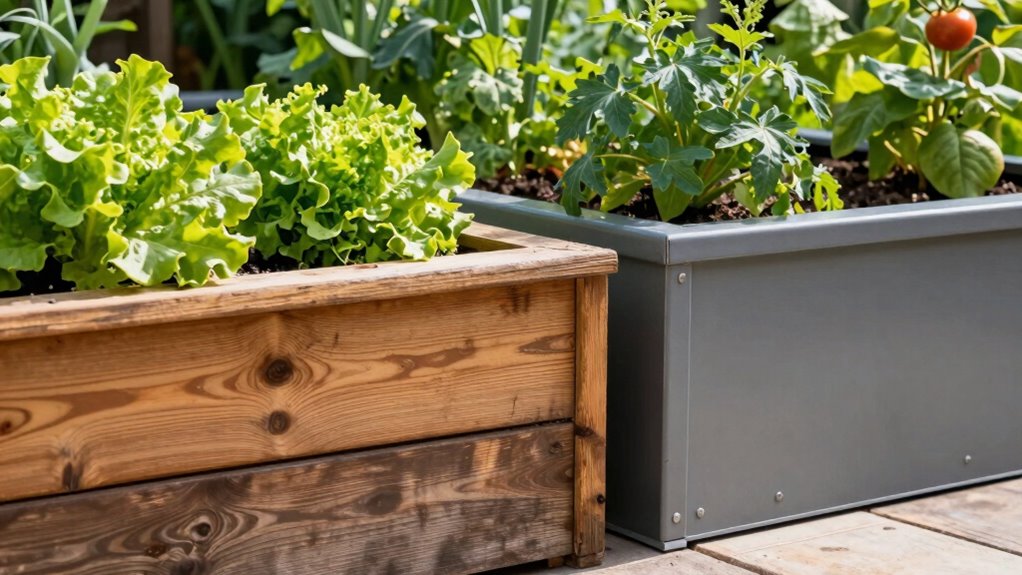

When choosing between metal and cedar raised beds, consider your priorities. Metal beds offer a sleek, modern look, are lightweight, and resist pests and rot, making them low-maintenance and cost-effective. Cedar provides a natural, rustic appearance, is highly durable outdoors, and is eco-friendly, though it may cost more initially. Both materials respond differently to environmental factors, affecting longevity. Continue exploring to discover which option best suits your garden’s needs and style.
Key Takeaways
- Metal beds are budget-friendly, lightweight, and easy to install, ideal for quick setup and flexibility.
- Cedar offers natural pest resistance, a warm appearance, and long-lasting durability in outdoor environments.
- Metal provides excellent soil drainage and minimal maintenance, suitable for modern garden aesthetics.
- Cedar is eco-friendly, sustainable, and ages gracefully, adding character to your landscape over time.
- Consider environmental factors and climate when choosing, as each material responds differently to weather conditions.
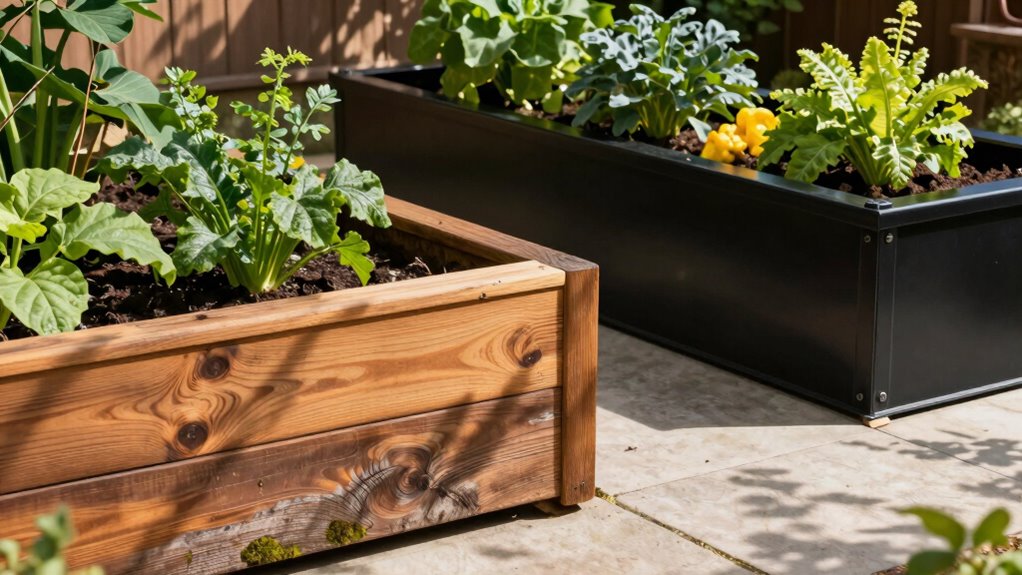
When deciding on the best material for your backyard raised beds, you’ll want to take into account factors like durability, appearance, and cost. Both metal and cedar have unique qualities that can influence your gardening success. Metal beds often feature a sleek, modern look that can complement contemporary landscapes, but they also come with practical benefits. Metal tends to have excellent soil drainage, which is crucial for healthy root development. Proper drainage prevents water from pooling around plants’ roots, reducing the risk of root rot and other moisture-related issues. Additionally, metal beds are naturally pest resistant; pests like rodents and insects find it harder to chew through or burrow into metal, making them a low-maintenance choice in terms of pest management. The contrast in material properties can also influence how these beds respond to environmental conditions, affecting their longevity. Furthermore, metal’s resistance to environmental wear can be enhanced by choosing galvanized options, which are protected against corrosion over time.
Metal raised beds offer sleek design, excellent drainage, and natural pest resistance, making them a practical choice for your garden.
On the other hand, cedar is a classic choice that many gardeners favor for its natural beauty and traditional appeal. Cedar is renowned for its durability, especially in outdoor conditions, and it resists rot and decay better than many other woods. This means your cedar raised beds can last for years without needing frequent replacements. When it comes to pest resistance, cedar also has an advantage—its natural oils act as a deterrent to insects and pests, making it less likely for unwanted critters to damage your plants or compromise the structure of your beds. Plus, cedar’s natural appearance blends well with garden landscapes, offering a warm, rustic vibe that many find appealing. Cedar’s ability to withstand weathering without treatment is also a key factor for gardeners seeking a low-maintenance option. A sustainable choice may also be considered, especially if eco-friendliness is a priority in your gardening practices.
Cost is another important factor. Metal beds tend to be more affordable upfront, especially if you opt for simple, galvanized steel or aluminum options. They’re also lightweight, making installation easier, and require little maintenance beyond occasional cleaning. Cedar, while sometimes more expensive initially, may offer better longevity and aesthetic value, especially if you prefer a natural, organic look. Keep in mind that cedar can be more susceptible to environmental wear if not properly treated, but with proper care, it can stand the test of time. Understanding the properties of materials can help you choose the right option for your garden’s needs.
Ultimately, your choice depends on your priorities. If you’re looking for a durable, pest-resistant, and cost-effective option, metal might be the way to go. If you want something with a natural appearance that ages beautifully and offers natural pest resistance, cedar could be the better choice. Both materials support healthy soil drainage, which is vital for plant health. Considering environmental factors can help you make the best decision based on your climate and landscape. Additionally, being aware of the environmental impact of materials can guide you toward a more sustainable gardening choice. Whichever you choose, understanding these key features helps you make an informed decision that aligns with your gardening goals and aesthetic preferences.

Vivagarden Galvanized Raised Garden Bed Outdoor, Large Raised Bed for Gardening, 4x2x1ft Metal Planter Box for Vegetables, Fruits, Flowers, Easy Assembly with Wing Nuts & Safe Rolled Design, Silver
🌱Perfect Size for Versatile Planting: Measuring 4ft(L) x 2ft(W) x 1ft(H), this garden bed offers ample space to…
As an affiliate, we earn on qualifying purchases.
As an affiliate, we earn on qualifying purchases.
Frequently Asked Questions
How Long Do Metal and Cedar Raised Beds Typically Last?
Metal raised beds typically last 10-15 years, thanks to their durability and resistance to rot, while cedar beds can last around 10-20 years with proper maintenance. Metal offers excellent soil drainage and often has lower construction costs upfront, but cedar’s natural rot resistance extends its lifespan. Your choice depends on your budget, desired longevity, and how much maintenance you’re willing to do to keep the beds in good shape.
Are Metal or Cedar Beds More Environmentally Friendly?
You’ll find cedar beds generally more eco-friendly because they’re naturally rot-resistant without chemical treatments, reducing soil contamination concerns. Metal beds, often made from recycled materials, also have environmental benefits but can conduct heat, potentially affecting soil health. Cedar offers a warm, natural aesthetic appeal that blends seamlessly with gardens, while metal provides a sleek, modern look. Your choice depends on balancing environmental impact and visual preferences.
Can Metal Raised Beds Rust Over Time?
Did you know that metal raised beds can rust over time if not properly treated? Yes, metal beds are prone to rust without adequate rust prevention measures, especially in moist environments. Their material durability depends on the coating used—galvanized steel resists rust longer. To maximize longevity, choose beds with rust-resistant finishes and avoid constant exposure to water or humidity, ensuring your garden stays healthy and sturdy for years.
Do Cedar Beds Attract Pests or Insects?
Cedar beds generally resist pests well, thanks to their natural pest resistance, making them less attractive to insects. However, they can occasionally attract carpenter ants or termites if conditions are moist. To minimize insect attraction, guarantee proper drainage and avoid overwatering. While cedar is naturally resistant, maintaining cleanliness and inspecting your beds regularly helps prevent pest issues and keeps your garden thriving.
Are There Weight Restrictions for Installing Either Type?
You can definitely install raised beds with confidence, as both metal and cedar options have solid weight capacities. Imagine filling your garden with lush plants—these beds are built to support that growth. Just follow the installation guidelines carefully: guarantee a level surface and proper anchoring. Metal beds tend to be more durable, but cedar’s weight restrictions are generally manageable for most backyard setups. With proper planning, your garden will thrive without worries.

BlueWish 47"W x 23"D x 30"H Raised Garden Bed, Cedar Garden Bed with Detachable Black Liner, Drainage Holes, Raised Garden Beds Outdoor 220 lbs Capacity, Raised Beds for Gardening, Vegetable, Flower
220 lbs Capacity – Elevate your gardening experience with this 29.9-inch tall raised garden bed. Built with a…
As an affiliate, we earn on qualifying purchases.
As an affiliate, we earn on qualifying purchases.
Conclusion
Choosing between metal and cedar for your raised beds isn’t just a small decision; it’s the difference between turning your backyard into a lush jungle or a sleek, modern oasis. Imagine your plants thriving in a fortress of durability or basking in the warm, natural embrace of cedar—each option transforming your garden into a masterpiece. Whichever you pick, you’re shaping a paradise that’ll outlast the ages and leave your neighbors in awe!

DIIYIV 2PCS Galvanized Raised Garden Bed with Legs,2PCS 48×18×30in Elevated Planter Box for Backyard,Outdoor Garden, Patio, Balcony, 300lb Capacity,Grey
Spacious planting space: Raised garden bed with legs,48x18x30 inches,300 capacity
As an affiliate, we earn on qualifying purchases.
As an affiliate, we earn on qualifying purchases.
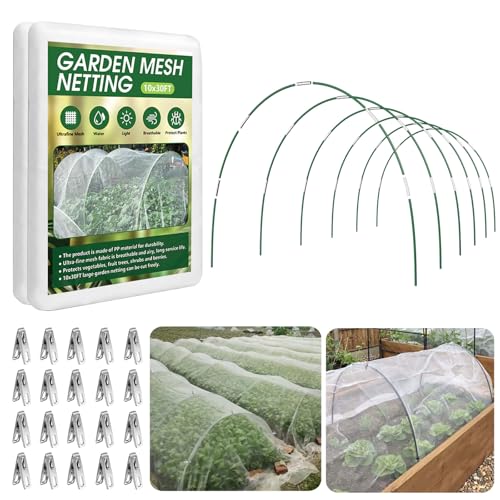
Garden Netting Kit for Raised Beds, 10x30FT Ultra Fine Mesh Netting& 6 Sets of 8FT Fiberglass Garden Hoops, Row Cover Insect Netting for Vegetable Plant Fruit Flowers Protection
【Garden Mesh Netting Kit】The kit contain 1 pack 10*30ft garden netting, 6 sets of 8ft garden hoops (36…
As an affiliate, we earn on qualifying purchases.
As an affiliate, we earn on qualifying purchases.