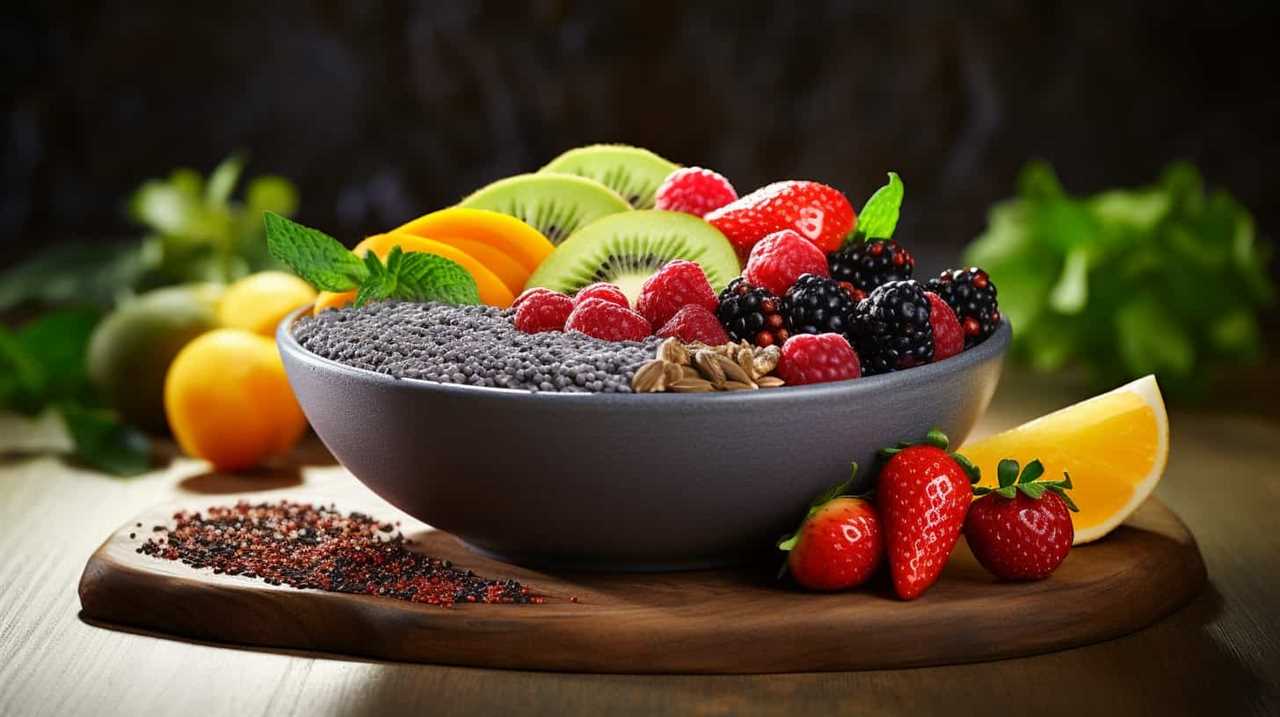
Consuming chia seeds can cause bloating because of their high fiber and water-absorbing properties. When you eat dry seeds without enough water, they expand in your stomach, leading to discomfort and gas. To avoid this, soak chia seeds before eating or increase your intake gradually while drinking plenty of water. Paying attention to how your body reacts and practicing moderation helps you enjoy their benefits comfortably—learn more ways to reduce bloating effectively.

Get garden gear delivered free with Prime
- Fast, free delivery on millions of items
- Prime Video, Amazon Music and more included
- Member-only deals all year
Key Takeaways
- Consuming dry chia seeds without soaking can cause bloating due to rapid water absorption and expansion in the stomach.
- Increasing fiber intake suddenly may overwhelm digestion, leading to bloating and gas; introduce chia gradually.
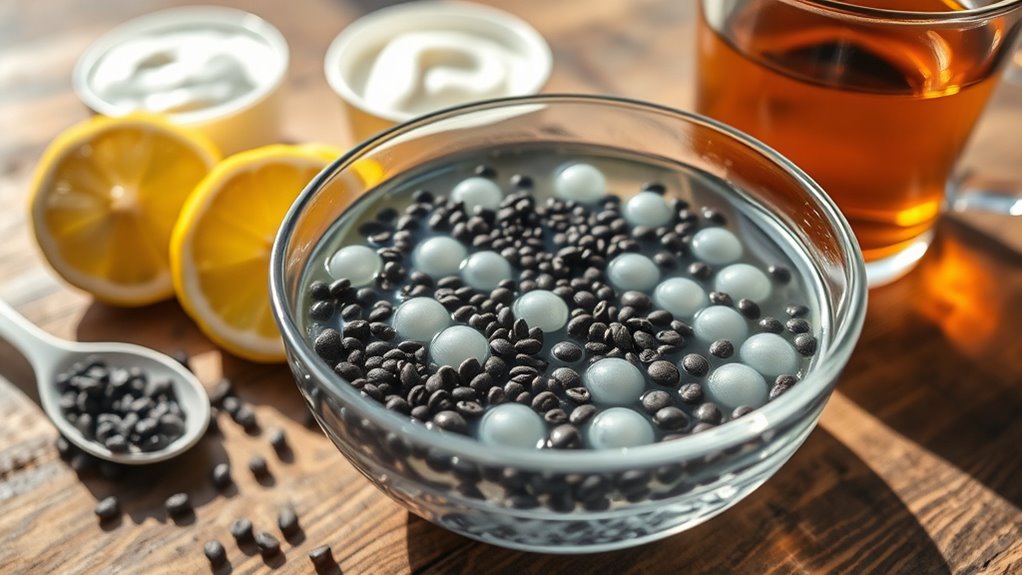
- Soaking chia seeds before eating helps hydrate them, reduces rapid expansion, and minimizes bloating risks.
- Drinking plenty of water with chia seeds supports digestion and prevents bloating caused by high fiber content.
- Monitoring your body’s response and moderating chia seed intake can help prevent persistent bloating and discomfort.
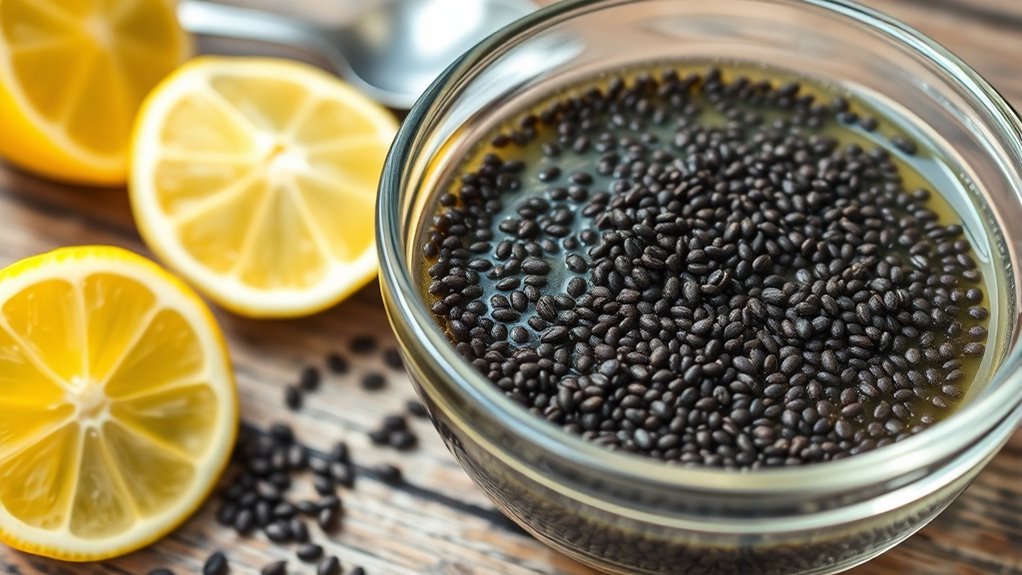
Chia seeds are celebrated for their nutritional benefits, but some people find that consuming them can lead to bloating. This reaction is often linked to their high fiber content, which, while excellent for overall health, can sometimes cause digestion effects that leave you feeling uncomfortable. As you incorporate chia seeds into your diet, it’s important to understand how their fiber influences your digestive system. Chia seeds are loaded with soluble fiber, which absorbs water and forms a gel-like substance in your stomach. This process helps regulate blood sugar levels and promote feelings of fullness. However, if you’re not used to a high-fiber diet, this sudden increase can overwhelm your digestive system, leading to bloating, gas, or abdominal discomfort.
Your digestion effects depend largely on how much and how quickly you consume chia seeds. When you eat them dry, they can expand rapidly once they hit moisture in your stomach, which may cause a feeling of fullness or bloating. For some, this rapid expansion can be a bit much, especially if they don’t drink enough water alongside. To mitigate this, it’s best to soak chia seeds before eating, allowing them to absorb water and soften. Soaked chia seeds are easier on your digestion because they’re already expanded and won’t absorb additional moisture from your stomach, reducing the likelihood of bloating. Additionally, the hydrating properties of chia seeds can help maintain proper fluid balance, supporting digestion.
Soaking chia seeds before eating reduces bloating by preventing rapid expansion in your stomach.
Another factor influencing digestion effects is your overall fiber intake. If your diet is already high in fiber, adding chia seeds may not have a significant impact. But if you’re new to a high-fiber diet, introducing chia seeds gradually can help your system adjust. Start with small amounts, like a teaspoon daily, and increase gradually over a week or two. This slow approach helps your gut bacteria adapt, minimizing bloating and other digestion issues. Drinking plenty of water throughout the day is essential when increasing fiber intake, as it helps fiber do its job efficiently and prevents constipation and bloating.
You should also pay attention to your body’s signals. If you notice persistent bloating or discomfort after consuming chia seeds, consider reducing your intake or spacing out your servings. Some people might be more sensitive to the fiber content or have underlying digestive conditions that make them more prone to bloating. Remember, moderation is key. By gradually introducing chia seeds and ensuring proper hydration, you can enjoy their health benefits while minimizing digestion effects. Understanding how your body reacts will help you find the right balance, so you can incorporate chia seeds into your diet without the unwanted side effects.
As an affiliate, we earn on qualifying purchases.
Frequently Asked Questions
Can Chia Seeds Cause Allergic Reactions?
Yes, chia seeds can cause allergic reactions if you’re sensitive or have seed sensitivity. You might experience allergy symptoms like itching, swelling, or difficulty breathing. If you notice these symptoms after consuming chia seeds, stop eating them immediately and consult a healthcare professional. It’s important to be cautious, especially if you have a history of allergies to seeds or other foods, to avoid more severe reactions.
How Much Chia Seed Is Safe Daily?
While enjoying the health benefits, you should stick to the recommended intake of about 1 to 2 tablespoons of chia seeds daily. This daily limit helps you avoid potential bloating or digestive discomfort. As a rule of thumb, gradually introduce chia into your diet to see how your body responds. Remember, moderation is key to reaping the benefits without overwhelming your system.
Do Chia Seeds Interact With Medications?
Yes, chia seed interactions can affect medication absorption. When you consume chia seeds, their high fiber content may slow down how your body absorbs certain medications. To avoid any issues, take your meds at least one hour before or two hours after eating chia seeds. Always consult your healthcare provider if you’re on medication, as they can give personalized advice about chia seed interactions with your specific prescriptions.
Are There Specific Populations More Prone to Bloating?
If you have digestive sensitivity or consume a high dietary fiber intake, you’re more prone to bloating. Your body may struggle to digest certain foods, especially those rich in fiber like chia seeds. Be mindful of how much fiber you include in your diet, and introduce chia gradually. This way, you can reduce the likelihood of bloating and support healthy digestion.
Can Cooking Chia Seeds Reduce Bloating Effects?
Yes, cooking chia seeds can help reduce bloating effects. Using methods like soaking, boiling, or blending makes the seeds easier to digest, which can mitigate bloating. When you cook or soak chia seeds, you break down their outer shell, reducing their potential to cause gas. Incorporate these bloating mitigation techniques into your routine to enjoy chia seeds without discomfort and maximize their health benefits.
As an affiliate, we earn on qualifying purchases.
Conclusion
Understanding how chia seeds can cause bloating helps you navigate your diet more confidently. By soaking them well and starting with small amounts, you can prevent discomfort and enjoy their many health benefits. Think of chia seeds as tiny warriors—powerful yet gentle—ready to support your wellness journey when handled with care. With these simple tips, you’ll keep bloating at bay and let chia seeds be your allies in a healthier, happier you.
As an affiliate, we earn on qualifying purchases.
digestive health fiber supplements
As an affiliate, we earn on qualifying purchases.
As an affiliate, we earn on qualifying purchases.
Columbus Day / Indigenous Peoples' Day Picks
long weekend sales
As an affiliate, we earn on qualifying purchases.