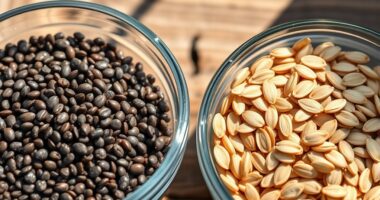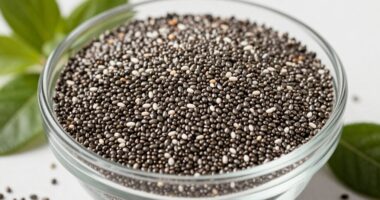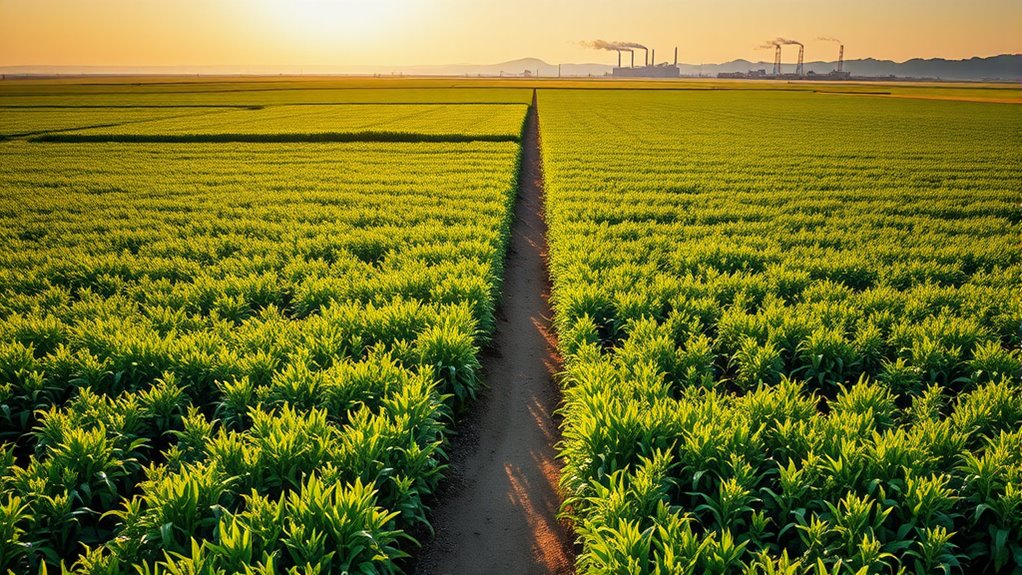

Chia seed cultivation generally has a low environmental impact because the plants are hardy, drought-tolerant, and require less land and water. Sustainable farming practices, such as organic methods and crop rotation, further reduce ecological harm. Locally sourced chia reduces transportation emissions, and eco-friendly processing minimizes energy use. By choosing brands that prioritize sustainability, you support environmentally responsible agriculture. To understand how these practices help preserve ecosystems, explore the details further.

Get garden gear delivered free — and shop member deals
- Fast, free delivery on millions of items
- Access to Prime Big Deal Days deals on October 6–7
- Prime Video, Amazon Music and more included
Key Takeaways
- Chia plants are sustainable, drought-tolerant, and require less land, supporting eco-friendly farming practices.
- Their natural drought resistance reduces water consumption, but large-scale farming may still strain water resources.
- Sustainable cultivation uses organic methods and crop rotation, minimizing soil degradation and chemical runoff.
- Locally sourced chia reduces transportation emissions and overall environmental footprint.
- Supporting brands that prioritize eco-friendly practices promotes regenerative farming and ecological health.
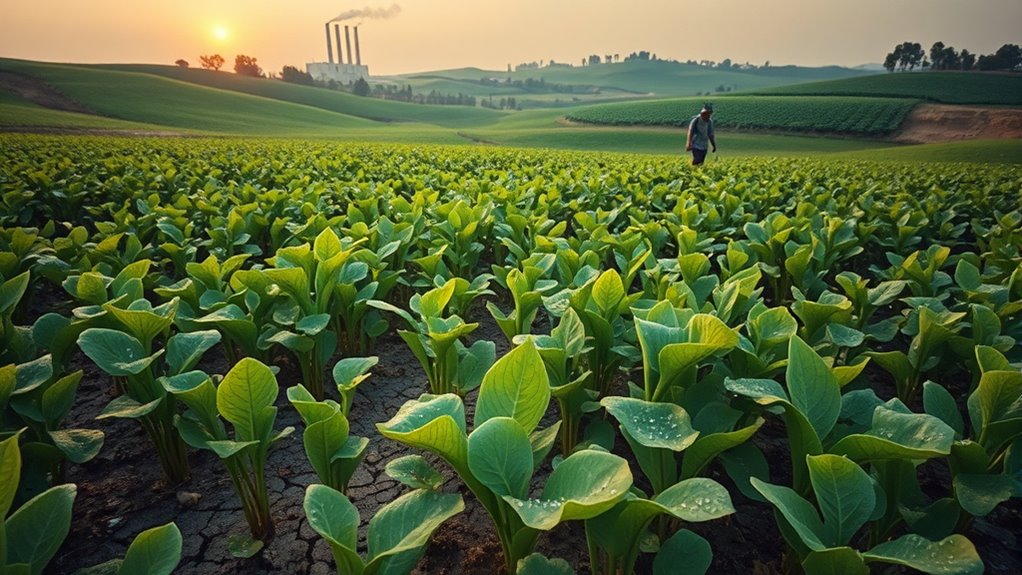
Chia seed cultivation is often praised for its health benefits, but it also has environmental implications that deserve attention. As you consider growing or consuming chia seeds, it’s important to understand how farming practices impact the environment, especially concerning sustainable farming and water conservation. Chia plants are generally hardy and adaptable, which makes them appealing for farmers seeking sustainable options. They require relatively less land and can thrive in diverse climates, reducing the need for intensive agriculture that often damages ecosystems. This resilience supports sustainable farming methods that aim to minimize environmental footprint, helping you make greener choices when sourcing chia seeds.
However, water conservation remains a critical factor in chia cultivation. Despite their drought-tolerant nature, large-scale production can still place significant demands on water resources. If farmers don’t implement efficient irrigation techniques, water use can become excessive, leading to depletion of local water supplies and affecting nearby ecosystems. You should be aware of the cultivation practices behind the chia products you buy. Brands that prioritize water conservation—such as those employing drip irrigation or rainwater harvesting—demonstrate a commitment to reducing their environmental impact. By supporting these sustainable practices, you contribute to conserving water and promoting environmentally responsible agriculture.
Supporting brands that use efficient irrigation helps conserve water and promotes sustainable chia farming practices.
The environmental footprint of chia cultivation also depends on the geographic location and farming methods used. In regions where water is scarce, unsustainable practices can lead to soil degradation and reduced biodiversity. Conversely, farms that incorporate crop rotation, organic fertilizers, and integrated pest management tend to have a lower environmental impact. These methods not only preserve soil health but also reduce reliance on chemical inputs, which can pollute water sources and harm wildlife. If you’re concerned about the environmental impact, seek out producers who employ such sustainable farming techniques, as they are more likely to prioritize water conservation and ecological balance.
Furthermore, transportation and processing contribute to the overall environmental footprint. Chia seeds often travel long distances from farms to markets, adding carbon emissions to their impact. Choosing locally sourced seeds minimizes transportation-related environmental costs. Additionally, processing methods that use minimal energy and avoid harmful chemicals further reduce the ecological footprint. Incorporating regenerative farming practices can help restore soil health and increase biodiversity, further lowering the environmental impact. By making informed choices—favoring brands committed to sustainable farming and water conservation—you help promote environmentally friendly practices in the chia supply chain.
Frequently Asked Questions
Are Chia Seeds Sustainable to Produce Globally?
Yes, chia seeds are generally sustainable to produce globally. You can support sustainability by practicing crop rotation, which maintains soil health and reduces the need for chemical inputs. Effective pest management helps minimize environmental harm and ensures healthy crops without excessive pesticide use. By choosing farms that prioritize these methods, you contribute to a more eco-friendly chia supply chain, making your consumption more sustainable and environmentally conscious.
How Does Chia Cultivation Affect Local Water Resources?
Chia cultivation uses water, but it generally requires less than other crops, making it relatively sustainable. However, in some regions, high water use can strain local resources, especially during droughts. Pollution concerns are minimal if farming practices avoid excessive fertilizer or pesticide use. You should consider local water availability and farming methods to understand how chia cultivation impacts water resources in your area.
What Are the Carbon Emissions From Chia Seed Farming?
You might be surprised to learn that the carbon footprint from chia seed farming is relatively low compared to other crops. Farm emissions mainly come from machinery use and transportation, but sustainable practices help minimize these. If you’re concerned about your environmental impact, choosing chia seeds grown with eco-friendly methods can reduce your overall carbon footprint. Overall, chia cultivation’s contribution to greenhouse gases remains modest, making it an environmentally conscious choice.
Does Chia Farming Contribute to Soil Degradation?
Imagine a field where loose soil slips away like grains of sand—chia farming can contribute to soil erosion if not managed carefully. You might notice that some farmers use pesticides, which can harm soil health over time. While chia plants are resilient, improper practices can lead to soil degradation. By adopting sustainable methods, you can help safeguard the land and ensure healthy cultivation practices.
Are There Eco-Friendly Farming Practices for Chia Cultivation?
Yes, there are eco-friendly farming practices for chia cultivation. You can adopt organic practices, avoiding synthetic fertilizers and pesticides, which helps preserve the environment. Implementing natural pest management strategies, like crop rotation and introducing beneficial insects, reduces chemical use and promotes soil health. These methods minimize environmental impact, support sustainable farming, and ensure healthier chia seeds for consumers.
Conclusion
As you consider adding chia seeds to your diet, remember that their cultivation has environmental impacts, from water use to land requirements. By choosing sustainable sources, you help prevent turning your eco-friendly quest into a modern-day Trojan horse. Think of it as wielding your fork like a knight’s lance—making conscious choices can help protect our planet. So, before you toss that bag in your cart, consider the story behind those tiny seeds and how you can make a difference.
Fall Picks
fall essentials
As an affiliate, we earn on qualifying purchases.