
Chia farming connects agriculture and functional foods by producing nutrient-rich seeds that support healthy diets and market growth. You benefit from sustainable practices requiring minimal water and no synthetic chemicals, helping the environment. These practices also promote biodiversity and long-term soil health. As consumer interest in plant-based, health-boosting foods rises, chia farming stands out. To discover how this innovative approach keeps agriculture aligned with future food needs, keep exploring these exciting connections.
Key Takeaways
- Chia farming produces nutrient-dense seeds that enhance the health benefits of functional foods.
- Sustainable farming practices ensure environmentally friendly cultivation aligning with health-conscious markets.
- Innovation in agriculture improves crop resilience, yield, and nutritional quality to meet consumer demand for functional ingredients.
- Growing consumer interest in plant-based, health-promoting foods drives integration of chia into functional food products.
- Chia farming exemplifies sustainable agriculture that supports the future of health-focused, responsible food systems.
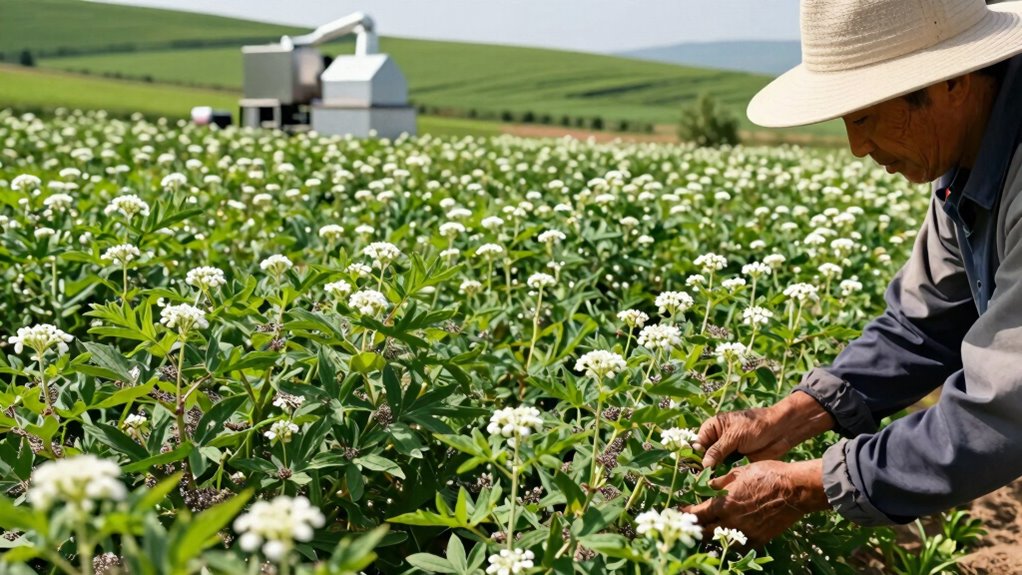
Chia farming has gained popularity not only for its ease of cultivation but also for the numerous health benefits associated with its seeds. When you grow chia, you’re engaging in a practice that bridges agriculture with the growing demand for functional foods—foods that provide health benefits beyond basic nutrition. The nutritional benefits of chia seeds are impressive; they are rich in omega-3 fatty acids, fiber, protein, antioxidants, and essential minerals like calcium and magnesium. These qualities make chia a sought-after ingredient in health-conscious diets and a powerful addition to various food products. As a farmer, you have the opportunity to cultivate a crop that directly contributes to public health, aligning your practices with the increasing consumer interest in functional foods. Additionally, the versatility of chia seeds allows them to be incorporated into a wide range of products, further expanding market opportunities.
Growing chia connects sustainable farming with the rising demand for nutrient-rich, health-boosting foods.
Incorporating sustainable practices into your chia farming not only benefits the environment but also enhances the quality and marketability of your crop. Chia grows well in a variety of soils and climates, often requiring minimal water and no synthetic fertilizers or pesticides. By choosing eco-friendly farming techniques, you reduce your carbon footprint and promote biodiversity. Sustainable practices such as crop rotation, organic fertilization, and water conservation help you maintain healthy soil and guarantee long-term productivity. These methods appeal to consumers who are increasingly seeking products that are both nutritious and environmentally responsible. When you adopt sustainable practices, you stand out in the marketplace, providing a product that aligns with the values of health and environmental stewardship. Understanding crop adaptability can help you optimize your chia yields in different environments and climate conditions. Moreover, adopting innovative farming techniques can increase your efficiency and resilience against climate variability.
Your role in connecting agriculture to the functional food industry is essential. Growing chia allows you to meet the rising demand for nutrient-dense, plant-based ingredients. As consumers become more aware of the links between diet and health, they look for foods that deliver functional benefits—like improved digestion, heart health, and anti-inflammatory properties. By cultivating chia with a focus on high nutritional quality and sustainable farming methods, you help bridge the gap between raw agricultural product and health-promoting food. This connection supports a shift toward more wholesome, plant-based diets and encourages other farmers to adopt similar practices. Furthermore, the demand for hydrating ingredients is increasing, emphasizing the importance of cultivating crops like chia that naturally contain these beneficial compounds. Recognizing the significance of sustainable farming methods can further elevate the market appeal and environmental impact of your chia production.
In essence, your chia farm can serve as a model for sustainable, health-focused agriculture. By prioritizing the nutritional benefits of your seeds and employing sustainable practices, you contribute to a healthier planet and a healthier population. You are not just producing a crop; you’re fostering a movement toward more mindful, functional foods that empower consumers to take charge of their well-being. With each harvest, you reinforce the essential link between responsible farming and the expanding field of functional foods, shaping the future of nutritious, sustainable agriculture. Embracing agricultural innovation can help you stay ahead in this evolving market and maximize your farm’s potential.

BBF Organic Chia Seeds 32 Oz, Omega-3 & Fiber, Pudding, Smoothies, Oatmeal
- Nutrient-Rich Superfood: High in omega-3 and fiber
- Organic and Non-GMO: Gluten-free, nut-free, low-carb
- Versatile Dietary Support: Vegan, keto, paleo friendly
As an affiliate, we earn on qualifying purchases.
As an affiliate, we earn on qualifying purchases.
Frequently Asked Questions
How Does Chia Farming Impact Local Ecosystems?
Chia farming impacts local ecosystems mainly through water conservation and biodiversity preservation. When you farm chia responsibly, you use less water compared to other crops, helping preserve local water sources. Additionally, sustainable practices support biodiversity preservation by maintaining native plants and insects. This approach minimizes habitat disruption, promoting a healthier environment. By choosing eco-friendly chia farming methods, you contribute positively to the ecosystem’s balance and resilience.
What Are the Economic Benefits for Small-Scale Farmers?
Like a modern-day David facing Goliath, small-scale farmers find economic benefits in chia farming through rising market demand and crop diversification. You can capitalize on the growing interest in functional foods by cultivating chia, which commands higher prices. This not only boosts your income but also spreads risk across different crops. Embracing chia farming enables you to tap into new markets and build resilience for your farm’s future.
Are There Any Health Risks Associated With Chia-Based Products?
There are some health concerns you should be aware of with chia-based products. While generally safe, allergen risks exist, especially if you’re allergic to seeds or similar plants. Some people may experience digestive issues like bloating or constipation due to high fiber content. Additionally, consuming large amounts could interact with medications or cause blood sugar drops. Always check labels and consult a healthcare professional if you have allergies or health conditions.
How Sustainable Is Large-Scale Chia Cultivation?
Chia farming’s sustainability is a growing concern, like a delicate balancing act. Large-scale cultivation faces challenges from water management, as chia plants need careful irrigation to avoid resource depletion. While genetic modification could boost yields, it raises ecological questions. Overall, sustainable practices are essential; without them, chia’s environmental footprint could grow, risking the very benefits that make it a functional food powerhouse.
What Innovations Are Emerging in Chia Processing Technologies?
You’ll see innovations like genetic enhancement to improve chia seed yields and nutritional value, and processing efficiency advancements to streamline extraction methods. These technologies enable faster, more cost-effective production while ensuring higher quality products. You might also notice new equipment that reduces waste and energy use, making chia processing more sustainable. Such innovations help meet increasing demand and support the growth of chia as a key functional food ingredient.

Sanar Naturals Chia Seeds, High Fiber Omega-3 Superfood, 10 oz
- Supports Digestive Health: High in natural fiber for digestion
- Promotes Fullness: Absorbs liquid to curb cravings
- Plant-Based Nutrition: Provides Omega-3 and Omega-6
As an affiliate, we earn on qualifying purchases.
As an affiliate, we earn on qualifying purchases.
Conclusion
As you embrace chia farming, you’re not just cultivating a crop—you’re sowing the seeds of a healthier future. Like a bridge connecting tradition and innovation, chia links agriculture to the world of functional foods, offering nourishment that fuels both body and mind. So, seize this opportunity; let chia be your guiding star in transforming fields into foundations of wellness. After all, isn’t it time to turn the humble seed into a powerhouse of energy?

Anthony's Organic Ground Chia Seed, 1 lb, Finely Ground, Cold Milled, Gluten Free, Non GMO
- Organic Ground Chia Seeds: USDA Certified Organic
- Gluten-Free: Batch Tested and Verified
- South American Origin: Packed in California
As an affiliate, we earn on qualifying purchases.
As an affiliate, we earn on qualifying purchases.
BetterBody Foods Organic Chia Seeds 2 lbs, 32 Oz, with Omega-3, Non-GMO, Gluten Free, Keto Diet Friendly, Vegan, Good Source of Fiber
- Nutrient-Rich Superfood: High in omega-3 and fiber
- Organic and Non-GMO: Gluten-free, nut-free, low-carb
- Versatile Dietary Support: Vegan, keto, paleo friendly
As an affiliate, we earn on qualifying purchases.
As an affiliate, we earn on qualifying purchases.