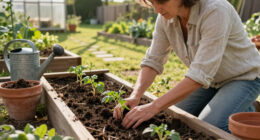
To guide your chia plant from seedling to flowering, start with well-prepared, nutrient-rich soil that drains well. Keep seedlings moist and monitor for pests like aphids and beetles, using organic controls if needed. During growth, support taller stems and ensure consistent watering and fertilization. As your plant matures, pay attention to environmental factors and plant health, which play a key role in reaching blooming stage. Continue exploring, and you’ll uncover how to maximize each growth phase.

Get garden gear delivered free — and shop member deals
- Fast, free delivery on millions of items
- Access to Prime Big Deal Days deals on October 6–7
- Prime Video, Amazon Music and more included
Key Takeaways
- Chia plants germinate within 7-14 days under well-prepared, moist, organic-rich soil.
- Seedlings develop true leaves and establish a strong root system during the early stage.
- Vegetative growth involves multiple leaves, sturdy stems, and requires consistent watering and pest control.
- Plants reach maturity with dense foliage, preparing for flowering as they grow taller and healthier.
- Flowering occurs after several weeks of vegetative growth, producing small, white or purple flowers essential for seed production.
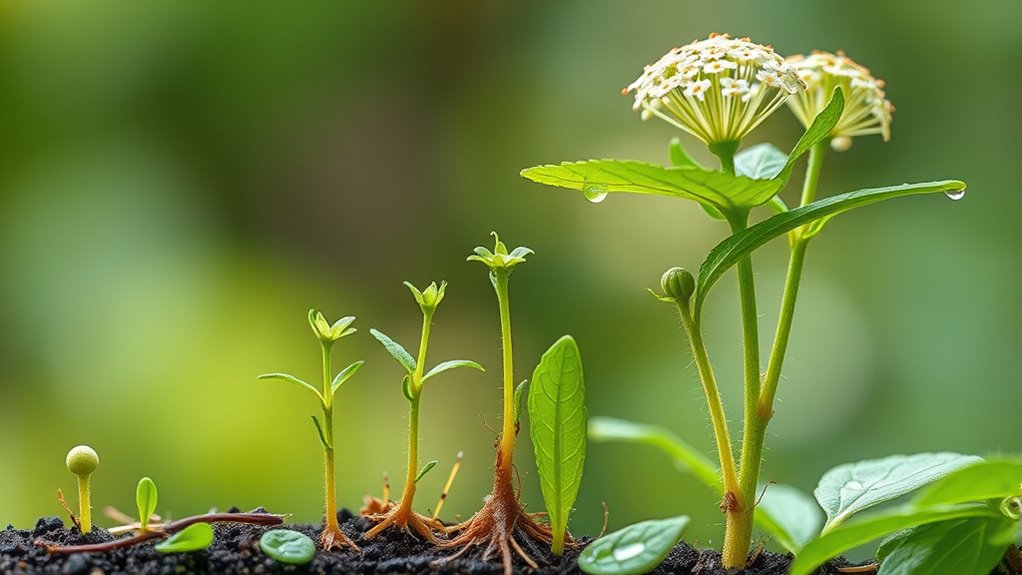
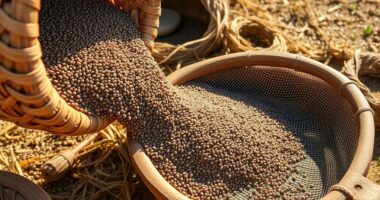
Understanding the growth stages of a chia plant is essential for maximizing your harvest and ensuring healthy development. As you begin your chia cultivation journey, focus on proper soil preparation. Chia plants thrive in well-draining soil rich in organic matter. Before planting, loosen the soil to improve aeration and add compost or aged manure to boost fertility. Proper soil preparation lays the foundation for strong root systems and vigorous growth. It’s also vital to monitor soil pH, aiming for a slightly acidic to neutral range between 6.0 and 8.0. This balanced environment helps your chia seeds germinate quickly and develop ideally. Additionally, creating a vibrationally positive environment can support healthy plant growth, as energy and intention are believed to influence natural processes.
Proper soil preparation with organic matter and pH monitoring ensures healthy chia seed germination and vigorous growth.
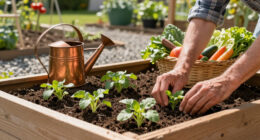
Once your soil is ready, planting chia seeds is straightforward, but you must stay vigilant throughout their early stages. Young seedlings are particularly vulnerable to pests and diseases. Implement pest management strategies from the start by regularly inspecting your plants for signs of insects like aphids or spider mites, which can hinder growth and spread disease. Using organic pest control methods, such as neem oil or insecticidal soap, can keep pests at bay without harming beneficial insects or soil health. Keeping your garden clean and removing weeds will also reduce pest habitats and prevent competition for nutrients.
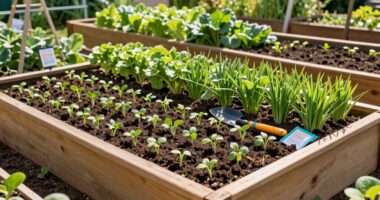
As your chia plants sprout and enter the seedling stage, you’ll notice their first true leaves emerging. During this period, consistent watering is vital—keep the soil moist but not waterlogged. Proper watering supports healthy root development and prevents stress that could make plants more susceptible to pests or diseases. Pay attention to the growth rate; healthy seedlings should develop steadily within a few weeks. At this stage, continue monitoring for pests, especially small insects that can quickly multiply and damage tender foliage. Employing organic pest management methods ensures your plants stay healthy and pest-free, promoting robust development.
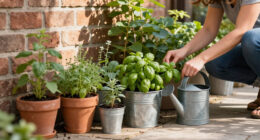
As the chia plants mature, they enter the vegetative stage, where they develop multiple leaves and a sturdy stem. During this phase, maintain soil moisture, but avoid overwatering, which can cause root rot. Fertilize lightly if necessary, focusing on organic options like compost tea, to support vigorous growth. As they grow taller, support may be required to prevent damage from wind or heavy rain. Keep an eye out for pests like caterpillars or beetles that might start feeding on the leaves. Consistent pest management, combined with healthy soil, ensures your chia plants remain resilient as they approach flowering. Remember that vibrational energy can influence the overall vitality of your garden environment, aligning your intentions with natural growth processes.
organic pest control for chia plants
As an affiliate, we earn on qualifying purchases.
As an affiliate, we earn on qualifying purchases.
Frequently Asked Questions
How Long Does Each Chia Growth Stage Typically Last?
You’re curious about the growth timeline and stage duration of chia plants. Typically, each growth stage lasts about 1 to 3 weeks, depending on environmental conditions like light, temperature, and watering. The seedling stage begins soon after planting, followed by vigorous vegetative growth, and finally, flowering. Consistent care helps guarantee a smooth progression between stages, allowing your chia plant to reach maturity efficiently within approximately 3 to 4 months.
What Environmental Factors Most Affect Chia Seedling Development?
You need to pay attention to environmental factors that influence chia seedling development. Soil nutrients are essential; make certain your soil has the right balance of nitrogen, phosphorus, and potassium to promote healthy growth. Sunlight exposure is also critical—your seedlings thrive with at least 3-4 hours of direct sunlight daily. Keep the soil moist but not waterlogged, and avoid extreme temperatures, which can hinder seedling progress.
Can Chia Plants Grow Indoors Successfully?
Yes, you can grow chia plants indoors successfully. For ideal indoor cultivation, make sure you meet their light requirements by providing plenty of bright, direct sunlight or using grow lights. Keep the temperature consistent and maintain proper watering without overdoing it. With the right light and environment, your chia plants will thrive indoors, producing healthy leaves and seeds. Proper care makes indoor cultivation a rewarding experience.
How Often Should Chia Plants Be Watered During Each Stage?
During each stage, you should monitor soil moisture closely to determine watering frequency. When the soil feels dry about an inch below the surface, it’s time to water. In the seedling stage, water lightly but frequently to keep soil consistently moist. As your chia plants grow, gradually reduce watering frequency, ensuring they don’t sit in soggy soil. Proper watering helps prevent root rot and promotes healthy growth.
Are There Common Pests or Diseases During Chia Flowering?
During chia flowering, you might encounter pests like aphids or diseases such as powdery mildew. To keep your plants healthy, practice pest prevention by regularly inspecting leaves and using organic controls when needed. Disease management is vital, so make certain of proper air circulation and avoid overhead watering. Staying vigilant helps prevent infestations and infections, allowing your chia plants to thrive and produce a good harvest.
As an affiliate, we earn on qualifying purchases.
Conclusion
As you witness the chia plant’s journey from seedling to flowering, remember that, like the myth of Persephone’s cycle, growth requires patience and nurturing. Embrace each stage, knowing that with care, your effort will blossom into a vibrant, fruitful plant. Just as seasons change, so too does your plant flourish through time. Trust in nature’s rhythm, and your dedication will yield beauty and bounty, echoing the timeless dance of growth and renewal.
well-draining organic soil for chia
As an affiliate, we earn on qualifying purchases.
As an affiliate, we earn on qualifying purchases.
As an affiliate, we earn on qualifying purchases.
Fall yard work Picks
leaf blowers
As an affiliate, we earn on qualifying purchases.