If you’re sensitive to gluten, chia seeds can help improve your gut health quickly. Their high soluble fiber forms a gel that supports digestion, regulates bowel movements, and soothes inflammation. They also promote healthy gut bacteria, which is key for microbiome balance. Incorporating chia seeds into your diet can reduce bloating, improve digestion, and support long-term gut wellness. Keep exploring how chia seeds can become a simple yet effective part of your gluten-sensitive routine.
Key Takeaways
- Chia seeds’ high soluble fiber supports digestion and helps regulate bowel movements, benefiting those with gluten sensitivity.
- They promote a healthy gut microbiome, reducing inflammation and discomfort linked to gluten intolerance.
- Chia seeds act as a gentle, natural detoxifier, aiding in waste elimination and gut cleansing.
- Incorporating chia seeds into the diet can ease bloating and digestive issues common in gluten-sensitive individuals.
- Regular consumption promotes long-term gut health, aiding in symptom management and overall digestive wellness.
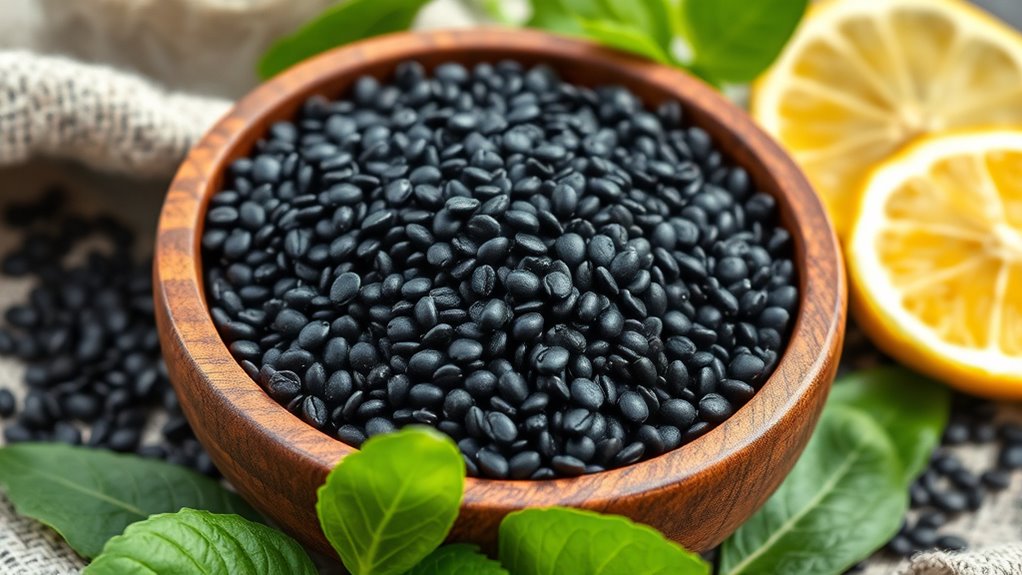
Maintaining good gut health is essential for overall well-being, and incorporating chia seeds into your diet can be a simple way to support this. One of the key reasons chia seeds are beneficial is their impressive fiber benefits, which play a crucial role in digestion improvement. When you add chia seeds to your meals or snacks, you’re giving your digestive system a gentle boost that can help regulate your bowel movements and reduce discomfort, especially if you’re sensitive to gluten.
Chia seeds are packed with soluble fiber, which absorbs water and forms a gel-like substance in your digestive tract. This gel slows down digestion, allowing your body to better absorb nutrients and stabilize blood sugar levels. For those with gluten sensitivity, this means fewer disruptions in gut function and less likelihood of bloating or irregularity. The fiber benefits of chia seeds also encourage the growth of healthy gut bacteria, which are vital for maintaining a balanced microbiome. A healthy microbiome can ease inflammation and improve your overall digestion, making it easier to process foods that might otherwise cause issues.
Since gluten sensitivities often lead to digestive distress, you might find that chia seeds help mitigate some of these symptoms. The fiber content not only aids digestion but also acts as a natural detoxifier, helping to eliminate waste and toxins from your system. Regularly consuming chia seeds can help prevent constipation, a common complaint among people with gluten sensitivities, and support smoother bowel movements. Plus, their high fiber benefits help create a feeling of fullness, which can prevent overeating and contribute to better weight management.
Adding chia seeds to your diet is straightforward. You can sprinkle them over yogurt, blend them into smoothies, or soak them in water or plant-based milk to create a nutritious pudding. This versatility makes it easy to incorporate fiber-rich chia into your daily routine without much effort. As you do, you’ll notice improvements in your digestion, feeling less bloated and more comfortable after meals. The fiber benefits from chia seeds work gradually, promoting long-term gut health and helping to restore or maintain a balanced digestive system, especially important if gluten sensitivity has disrupted your gut function. Additionally, the integration of AI in media and entertainment is driving innovative ways to create engaging content that can also educate about health and wellness topics like gut health.

Viva Naturals Organic Chia Seeds, 2 lb, 32 Oz – Plant-Based Omega-3 and Vegan Protein, Gluten Free & Non-GMO, Perfect for Smoothies, Salads & Chia Pudding
PLANT-BASED OMEGAS-3 — Omega fatty acids are important fats, and luckily chia seeds organic contain omega-3s. Incorporate them…
As an affiliate, we earn on qualifying purchases.
As an affiliate, we earn on qualifying purchases.
Frequently Asked Questions
Can Chia Seeds Replace Gluten-Rich Grains Entirely?
You can’t completely replace gluten-rich grains with chia seeds alone because of their seed versatility, but they’re a great gluten substitution for some recipes. Chia seeds add fiber and nutrients, helping you diversify your diet. However, for a balanced gluten-free diet, include a variety of gluten-free grains like rice, quinoa, and oats. This guarantees you get all essential nutrients while enjoying the benefits of seed versatility.
Are There Any Side Effects of Eating Chia Seeds for Gut Health?
Eating chia seeds can cause side effects if you’re allergic or sensitive. You might experience allergic reactions like skin rashes or breathing issues. Digestive discomfort, such as bloating, gas, or constipation, is common if you consume too much or don’t soak them properly. To avoid these issues, start with small amounts, guarantee proper hydration, and watch for any signs of allergic reactions, adjusting your intake accordingly.
How Much Chia Seed Consumption Is Safe Daily?
You should aim for about 1 to 2 tablespoons of chia seeds daily, which provides a good fiber intake without risking digestive discomfort. Consuming this amount helps promote healthy nutrient absorption and supports gut health. Be sure to drink plenty of water, as chia seeds absorb liquid and can cause bloating if you eat too much. Stick to this amount to enjoy benefits while avoiding potential side effects.
Do Chia Seeds Help With Other Gluten-Related Symptoms?
Imagine someone with gluten sensitivity finding relief from joint pain after adding chia seeds to their diet. Chia seeds can help with other gluten-related symptoms by supporting fiber absorption, which improves digestion, and aiding immune modulation, reducing inflammation. These effects may ease symptoms like fatigue or skin issues, making chia seeds a beneficial addition in managing gluten sensitivity beyond gut health alone.
Can Chia Seeds Improve Overall Digestive Function?
Yes, chia seeds can improve your overall digestive function. Their high fiber benefits promote regularity and help keep your gut healthy. As you consume chia seeds, they form a gel-like substance that supports smooth digestion and enhances nutrient absorption. Incorporating chia seeds into your diet can boost your gut health, making digestion more efficient and reducing discomfort. Just remember to drink plenty of water with them for the best results.

Sanar Naturals Chia Seeds | High Fiber Supplement, GLP-1 Support, Plant-Based Protein with Omega-3 | Superfood for Smoothies Baking and Oatmeal | Vegan, Non-GMO, Raw Bulk, Gluten Free, 10 oz
SUPRPORTS HEALTHY DIET: Natural source of fiber and lignans to support digestive health and help promote your weight…
As an affiliate, we earn on qualifying purchases.
As an affiliate, we earn on qualifying purchases.
Conclusion
Incorporating chia seeds into your diet can boost your gut health, especially if you’re sensitive to gluten. You might worry they’re high in fiber and could cause bloating, but start with small amounts to let your digestive system adjust. Over time, you’ll likely notice improved digestion and comfort. Don’t let initial concerns hold you back—chia seeds are a versatile, gentle way to support your gut and feel better every day.

5Strands Gut Health Test for Adults & Kids, 500+ Items Tested, At-Home Hair Sample Screening for Food Intolerances Linked to Digestive Issues, Skin Irritation, Brain Fog & Headaches, Results in 4 Days
UNCOVER FOODS THAT ARE TRIGGERING YOUR BODY. This test screens your energetic response to a wide range of…
As an affiliate, we earn on qualifying purchases.
As an affiliate, we earn on qualifying purchases.
Sanar Naturals Chia Seeds | High Fiber Supplement, GLP-1 Support, Plant-Based Protein with Omega-3 | Superfood for Smoothies Baking and Oatmeal | Vegan, Non-GMO, Raw Bulk, Gluten Free, 10 oz
SUPRPORTS HEALTHY DIET: Natural source of fiber and lignans to support digestive health and help promote your weight…
As an affiliate, we earn on qualifying purchases.
As an affiliate, we earn on qualifying purchases.