To use chia seeds in homemade breakfast cakes, mix them directly into your batter or prepare a gel by combining 1 tablespoon of seeds with 3 tablespoons of water, letting it sit until thickened. Incorporate the seeds evenly for added texture and nutrients, and consider sprinkling whole or crushed seeds on top before baking for extra crunch. Keep in mind that chia absorbs liquid, so you may need to adjust your wet ingredients to maintain the right batter consistency; explore further tips to perfect your recipe.

Get garden gear delivered free with Prime
- Fast, free delivery on millions of items
- Prime Video, Amazon Music and more included
- Member-only deals all year
Key Takeaways
- Mix chia seeds directly into batter or prepare a gel by combining 1 tbsp seeds with 3 tbsp water, letting it thicken for use as an egg substitute.
- Incorporate whole or crushed chia seeds early in mixing for even distribution and added texture.
- Adjust the batter’s moisture by adding a splash of milk or water if chia seeds absorb too much liquid.
- Sprinkle whole or crushed seeds on top before baking for crunch and visual appeal.
- Monitor baking time to prevent overbaking and preserve chia seeds’ nutritional benefits.
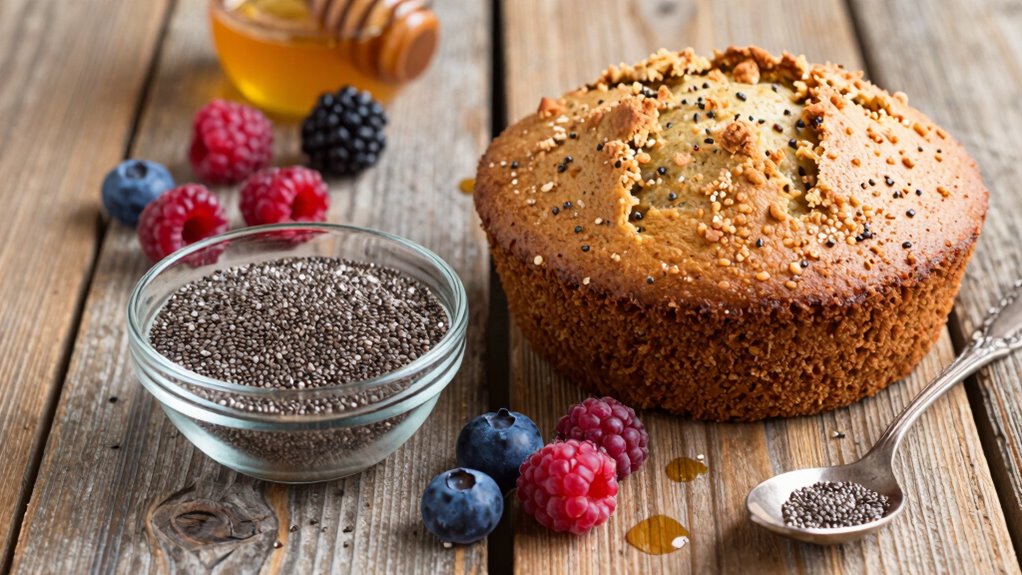
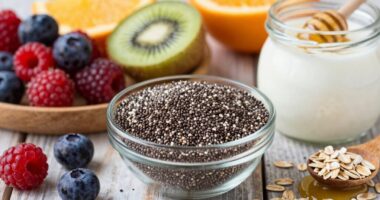
Adding chia seeds to your homemade breakfast cakes is a simple way to boost their nutrition and texture. These tiny seeds pack a punch when it comes to nutritional benefits, offering a rich source of fiber, omega-3 fatty acids, protein, and antioxidants. Incorporating chia seeds into your recipes not only elevates the health profile of your cakes but also creates a delightful, slightly crunchy texture that enhances each bite. To get the most out of chia seeds, it’s helpful to understand some baking tips that will make your cakes turn out perfect every time.
Boost your breakfast cakes with chia seeds for added nutrition and a delightful crunchy texture.
When adding chia seeds, you can choose to mix them directly into your batter or prepare a chia gel as a substitute for eggs or fat. To make a gel, simply combine 1 tablespoon of chia seeds with 3 tablespoons of water and let it sit for about 10-15 minutes until it thickens. This gel acts as a binder, helping your cakes stay moist and hold together better. It’s especially useful if you’re aiming for a vegan or egg-free recipe. If you prefer a crunchier texture, sprinkle whole or crushed chia seeds on top of the batter before baking, which adds visual appeal and an extra nutritional boost.
In terms of baking tips, it’s important to remember that chia seeds absorb liquid, so you might need to slightly adjust your wet ingredients. If your batter seems too thick after adding the seeds, add a splash of milk or water to loosen it up. Conversely, if it becomes too runny, a small amount of flour can help balance the consistency. Keep in mind that chia seeds don’t have a strong flavor, so they won’t alter the taste of your cakes considerably but will contribute to a denser, more satisfying crumb. Understanding the properties of chia seeds can help you better incorporate them into your recipes. Additionally, it’s beneficial to consider how chia seeds interact with other ingredients to optimize baking results and nutritional benefits. Recognizing the different types of projectors can also inspire creative ideas for your home baking setup, such as displaying recipes or baking tutorials.
Another tip is to incorporate chia seeds early in the mixing process to evenly distribute them throughout the batter. This ensures each slice of cake contains some of the seeds, maximizing their nutritional benefits. When baking, be cautious not to overbake your cakes, as prolonged heat can diminish some of the omega-3 benefits. A good rule of thumb is to check for doneness a few minutes before the suggested baking time, and use a toothpick to test the center. Knowing the beneficial effects of omega-3s can motivate you to include chia seeds regularly in your baking routine. Also, experimenting with different types of chia seed preparations can help you find the texture and flavor that best suits your recipes.
Ultimately, experimenting with chia seeds in your breakfast cakes is straightforward and rewarding. Their nutritional benefits make them a smart addition, and with these baking tips, you’ll create moist, flavorful, and healthful treats that start your day off right.
As an affiliate, we earn on qualifying purchases.
Frequently Asked Questions
Can Chia Seeds Replace Eggs in Breakfast Cake Recipes?
Yes, chia seeds can replace eggs in breakfast cake recipes. For egg substitution, mix 1 tablespoon of chia seeds with 2.5 tablespoons of water, letting it sit until it forms a gel. This chia gel acts as a binding agent, making it a popular baking alternative. You’ll find it’s an easy, nutritious way to keep your breakfast cakes moist and cohesive without eggs.
How Long Do Chia Seeds Need to Soak Before Adding?
Imagine tiny chia seeds turning into gel-like spheres as they soak up liquid. For chia seed hydration, you should soak them for about 15 to 20 minutes before adding to your breakfast cake. During this soaking duration, the seeds swell and develop a mucilaginous coating, making them perfect for binding ingredients or replacing eggs. This quick soak creates a moist texture and enhances flavor, ensuring your cake turns out deliciously tender.
Are Organic Chia Seeds Better for Baking?
Yes, organic chia seeds are generally better for baking because they often contain fewer pesticides and chemicals, aligning with your health goals. Organic chia seed health benefits include higher antioxidant levels and better nutrient retention. When choosing between organic vs conventional, you support sustainable farming practices and get a purer product. Incorporating organic chia seeds into your breakfast cakes boosts their nutritional value, helping you enjoy their fiber, omega-3s, and protein benefits more fully.
How Does Chia Seed Addition Affect Cake Texture?
Adding chia seeds to your cake enhances texture by creating a subtle crunch and a more satisfying bite. They also boost moisture retention, making your cake softer and less dry. As chia seeds absorb liquid, they help improve overall texture, giving your breakfast cake a moist, tender crumb. Incorporating chia seeds results in a more enjoyable, well-textured cake that stays fresh longer.
Can Chia Seeds Be Used in Gluten-Free Breakfast Cakes?
You can absolutely use chia seeds in gluten-free breakfast cakes. Different chia seed varieties, like black or white, work well, adding texture and nutrition. Just store your chia seeds in an airtight container in a cool, dark place to keep them fresh. The coincidence? Their versatility makes them perfect for gluten-free baking, providing binding properties and moisture retention that enhance your cake’s quality, regardless of your chosen flour alternative.
As an affiliate, we earn on qualifying purchases.
Conclusion
Incorporating chia seeds into your breakfast cakes is like adding tiny treasures that boost nutrition and texture. With their ability to soak up liquids and create a delightful gel, they transform simple cakes into wholesome treats. So, next time you bake, let chia seeds be your secret ingredient—turning an ordinary morning into a nourishing adventure. Embrace these little powerhouses, and watch your breakfast rise to new heights, like the sun greeting a fresh new day.
As an affiliate, we earn on qualifying purchases.
As an affiliate, we earn on qualifying purchases.
Fall Picks
fall essentials
As an affiliate, we earn on qualifying purchases.