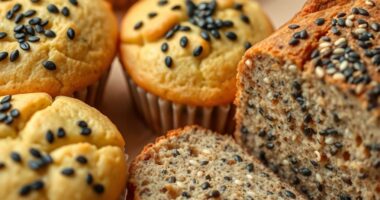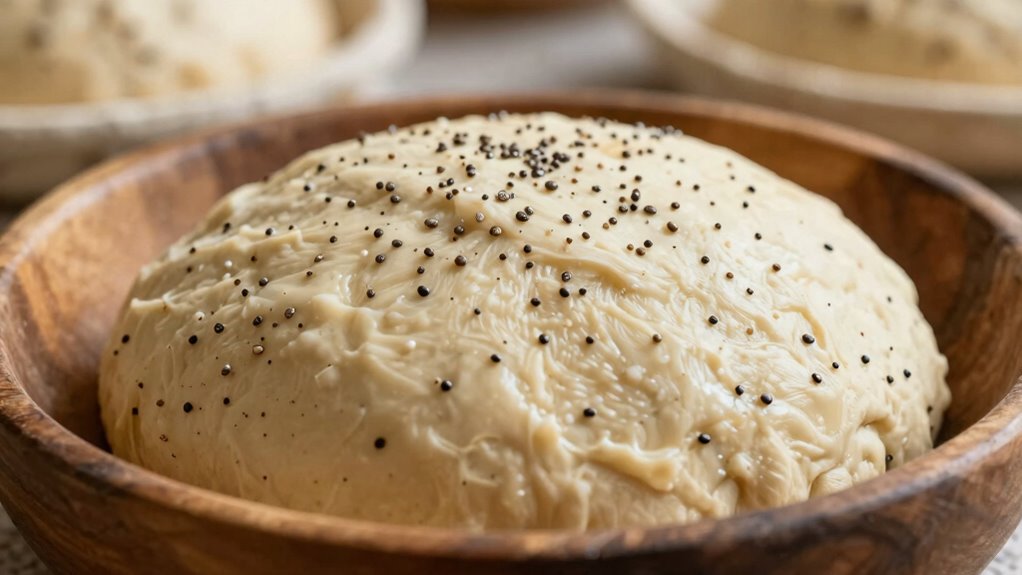

When you add chia seeds to your homemade bread dough, you can expect a boost in nutrients like omega-3s, fiber, and minerals, making your bread healthier and more satisfying. Chia seeds absorb water and form a gel, which helps lock in moisture and improve dough elasticity, resulting in a softer, fresher loaf. They also add a chewy texture and support a denser, nutrient-rich crumb. If you’re curious about best techniques, you’ll find more tips ahead.

Get garden gear delivered free with Prime
- Fast, free delivery on millions of items
- Prime Video, Amazon Music and more included
- Member-only deals all year
Key Takeaways
- Chia seeds boost nutritional content with omega-3s, fiber, and minerals, making bread more wholesome.
- Soaked chia seeds release gel, improving dough elasticity and acting as a natural binder.
- They help retain moisture, resulting in fresher, softer bread with a denser crumb.
- Incorporating chia seeds can increase dough stickiness and density if used excessively.
- Proper hydration of seeds enhances handling, texture, and overall bread quality.
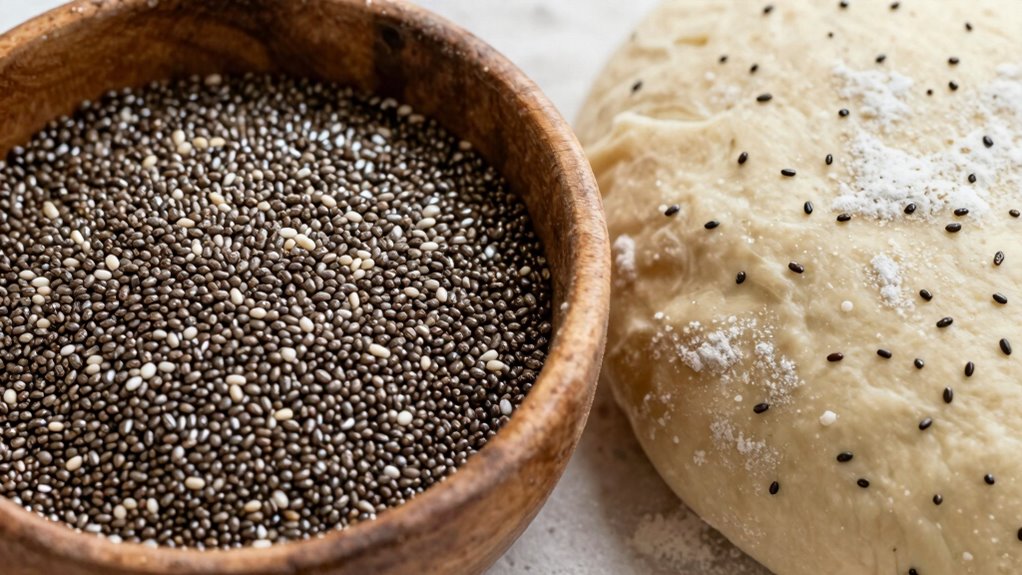
Adding chia seeds to homemade bread dough not only enhances its nutritional value but also improves texture and moisture retention. When you incorporate these tiny seeds, you’re elevating your bread with a boost of essential nutrients, making each slice more wholesome. Chia seeds are packed with omega-3 fatty acids, fiber, protein, and minerals like calcium and magnesium. This means your bread isn’t just tasty; it becomes a source of sustained energy and health benefits. Expect your loaf to have a slightly denser, more satisfying crumb because the seeds absorb water and swell, creating a more cohesive dough. This process helps lock in moisture, so your bread stays fresher longer without becoming dry or crumbly. Incorporating well-hydrated chia seeds can also contribute to better dough elasticity, making handling easier. In terms of baking tips, it’s best to soak the chia seeds in water before adding them to the dough. This pre-hydration prevents clumping and ensures even distribution throughout the mixture. When you add soaked chia seeds, you’ll notice the dough becoming more elastic and easier to handle. The seeds release a gel-like substance, which acts as a natural binder, similar to eggs or other thickening agents. This can be especially useful if you’re making vegan bread or trying to replace eggs in your recipe. The gel also helps improve the bread’s crumb, giving it a slightly chewy texture that’s quite appealing. You might be wondering how much to add. A common guideline is about 1 to 2 tablespoons of chia seeds per loaf, but feel free to experiment based on your preference. Keep in mind that adding too many might make your dough overly dense or sticky, so start with a smaller amount and adjust as you get comfortable with the process. Also, consider the type of bread you’re baking; denser loaves like whole grain or multigrain bread can benefit from higher chia seed content, while lighter white bread might need less. From a nutritional standpoint, incorporating chia seeds into your homemade bread is a smart move. Not only do they contribute essential fatty acids and fiber, but they also add a mild nutty flavor that complements many bread recipes. As a baking tip, remember that adjusting hydration levels slightly can help compensate for the water absorption by the seeds. Incorporating proper hydration techniques can further enhance your bread’s texture and quality. Additionally, understanding how seed hydration impacts the overall dough consistency can help you fine-tune your recipe for optimal results. Exploring AI-driven dietary insights and their application in baking can inspire you to experiment with other nutritious add-ins. Overall, expect a bread that’s more nutrient-dense, moist, and flavorful, making each slice a little more healthful and enjoyable.
Products Worth Considering

Le Creuset Enameled Cast Iron Round Bread Oven, 9.5-Inch, Cerise

Le Creuset Signature Enameled Cast Iron Round Dutch Oven, 5.5 qt, Deep Teal

KitchenAid 28 oz Cold Brew Coffee Maker, KCM4212
As an affiliate, we earn on qualifying purchases.
Frequently Asked Questions
Can Chia Seeds Replace Eggs in Bread Recipes?
Yes, chia seeds can replace eggs in bread recipes as a natural egg substitute. When mixed with water, they form a gel that acts as a binding agent, helping to hold the dough together. To use as an egg substitute, combine 1 tablespoon of chia seeds with 3 tablespoons of water and let it sit until it thickens. This method provides moisture and structure, making your bread vegan-friendly and just as delicious.
How Do Chia Seeds Affect Bread Shelf Life?
Chia seeds dramatically extend your bread’s shelf life, turning it into a fortress against mold and spoilage. When added, they act like tiny shields, boosting mold resistance and keeping your bread fresh much longer. You’ll see the difference as slices stay soft and tasty, resisting staleness and mold. Expect your homemade bread to stay perfect for days, thanks to chia seeds’ incredible ability to fight off decay and preserve freshness.
Are There Gluten-Free Benefits to Adding Chia Seeds?
Adding chia seeds offers gluten-free benefits by enhancing the nutritional profile of your bread, especially if you’re avoiding gluten. Chia seed nutritional content provides fiber, omega-3 fatty acids, and protein, which help improve texture and moisture without gluten. They act as a natural binder, making your gluten-free bread more cohesive and soft. So, incorporating chia seeds benefits your bread’s structure and boosts its overall health benefits, perfect for gluten-sensitive diets.
What Is the Best Way to Incorporate Chia Seeds Into Dough?
Imagine sprinkling tiny, glistening jewels into your dough—chia seeds add a delightful crunch and a subtle nutty flavor that enhances your bread’s aroma. To incorporate them, soak the seeds in water for 10-15 minutes to create a gel, then fold this into your dough. This method guarantees flavor enhancement and a nutritional boost, giving your bread a moist texture and a healthful edge with every bite.
Do Chia Seeds Change the Bread’s Texture Significantly?
Chia seeds do cause a subtle texture alteration in your bread, adding a slight crunch and moisture without overwhelming the overall feel. They also enhance flavor with a mild nutty taste, making your bread more interesting. While the change isn’t drastic, you’ll notice a bit more density and chewiness, especially if you use a generous amount. Overall, chia seeds add both texture variation and flavor enhancement, enriching your homemade bread.
Conclusion
Incorporating chia seeds into your homemade bread not only boosts its nutritional value but also adds a delightful texture. Did you know that chia seeds can absorb up to 12 times their weight in water, acting as a natural binder? This makes your bread more moist and wholesome. So, next time you bake, consider adding chia seeds—you’ll enjoy healthier bread with a nutritious twist that keeps you satisfied longer. Happy baking!