To boost nutrients on a gluten-free diet, add chia seeds to your meals. They’re packed with fiber, omega-3 fatty acids, and support digestive health. You can soak them for pudding, sprinkle over salads, or incorporate into baked goods with ease. Chia helps improve gut health, promotes fullness, and provides essential nutrients often missing in gluten-free foods. Keep exploring how chia can strengthen your diet and overall wellness.
Key Takeaways
- Chia seeds add essential fiber to gluten-free foods, supporting digestion and gut health.
- They provide a plant-based source of omega-3 fatty acids to offset common deficiencies.
- Chia enhances satiety, aiding in weight management within a gluten-free diet.
- Easily incorporated into meals as pudding, toppings, or baked goods without altering taste.
- Their nutrient-rich profile helps improve overall nutritional balance in gluten-free diets.
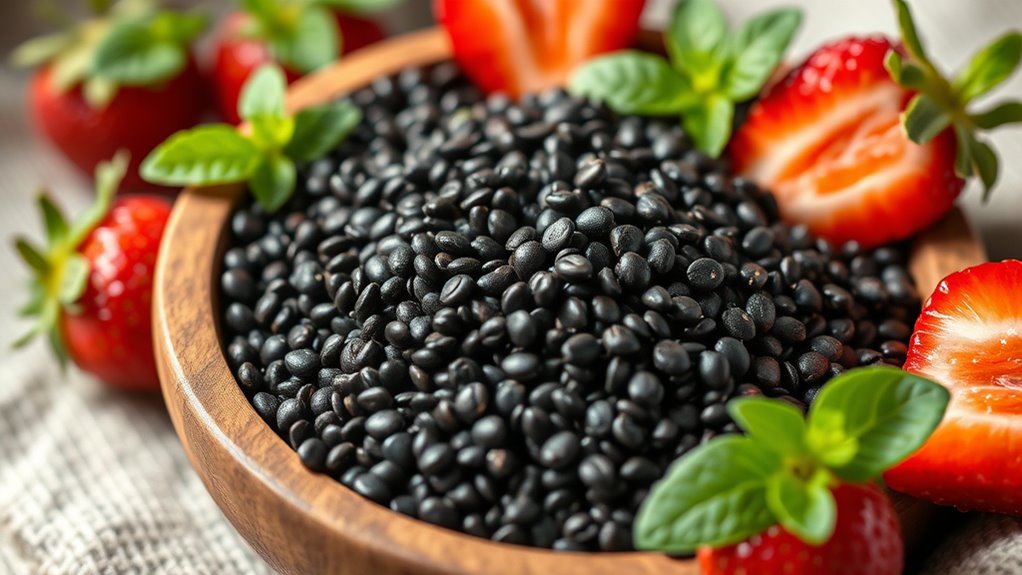
If you’re following a gluten-free diet, you might find it challenging to get enough essential nutrients. Many gluten-free products lack the fiber, healthy fats, and vitamins found in whole grains and traditional sources. That’s where chia seeds come in as a powerful addition to your diet. They’re packed with fiber enhancement, which is crucial because many gluten-free foods are low in fiber, leading to digestive discomfort and irregularity. Incorporating chia seeds into your meals can help improve your digestion and promote regularity, guaranteeing your gut stays healthy. Just a tablespoon of chia seeds can add a substantial amount of dietary fiber, making your meals more filling while supporting your overall digestive health.
Beyond fiber, chia seeds are an excellent source of omega 3 supplementation. Omega-3 fatty acids are essential for brain health, reducing inflammation, and supporting heart health. Since many gluten-free diets tend to be low in omega-3s—especially if you’re avoiding sources like wheat and certain grains—you need a reliable plant-based source. Chia seeds provide a rich supply of alpha-linolenic acid (ALA), a form of plant-based omega-3. Adding chia to your smoothies, yogurt, or oatmeal is an easy way to boost your omega-3 intake without relying on fish or supplements. This guarantees you’re meeting your nutritional needs and supporting your overall wellness.
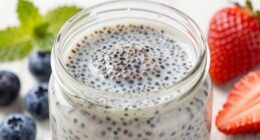
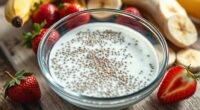
Chia seeds are incredibly versatile, making it simple to enhance your meals without altering your diet appreciably. You can soak them in water or milk to create chia pudding, sprinkle them over salads or cereal, or incorporate them into baked goods. Their neutral flavor blends well with sweet or savory dishes, allowing you to enjoy their health benefits effortlessly. Furthermore, since chia seeds expand when soaked, they help you feel full longer, which can be helpful if you’re managing weight or trying to avoid overeating. Eco-friendly chia seeds are also a sustainable choice, aligning with environmentally conscious crafting and living.
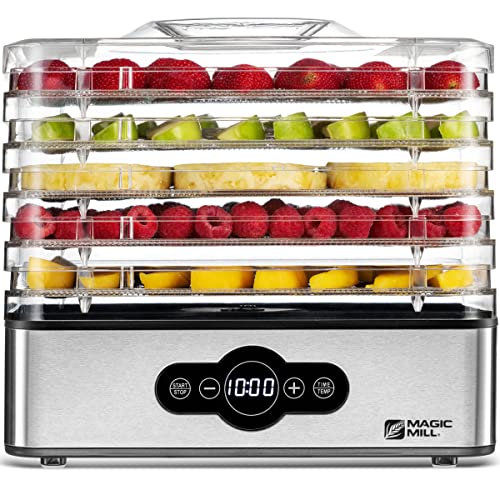
Magic Mill Food Dehydrator Machine | 5 Stackable Stainless Steel Trays, 48H Digital Adjustable Timer & Temperature Control Upto 167° Electric Dryer & Preserver for Jerky, Fruit, Dog Treats & Much More
POWERFUL FOOD DRYING PROCESS - Magic Mill Compact Food Dehydrator Machine streamlines 240W drying capacity that offers an...
As an affiliate, we earn on qualifying purchases.
Frequently Asked Questions
Can Chia Improve Nutrient Absorption in Gluten-Free Diets?
Yes, chia can improve nutrient absorption in your gluten-free diet. Its high fiber content supports digestive health, helping your body break down and absorb minerals more effectively. Chia’s omega-3s and antioxidants also promote gut health, which is essential for nutrient uptake. Incorporating chia into your meals can enhance mineral absorption, ensuring you get the most out of your gluten-free foods and maintain ideal health.
Are There Any Side Effects of Consuming Chia Regularly?
Yes, consuming chia regularly can cause side effects like digestive health issues such as bloating or constipation if you eat too much. You should also watch for allergy concerns, especially if you have nut or seed allergies, since chia is a seed. To avoid problems, start with small amounts, drink plenty of water, and consult a healthcare professional if you experience any adverse effects.
How Much Chia Should I Include Daily for Optimal Benefits?
For ideal benefits, you should aim for a daily chia dosage of about 1 to 2 tablespoons (around 10-20 grams). This amount provides a good balance of nutrients without causing digestive discomfort. You can easily add chia to smoothies, yogurt, or oatmeal. Remember, start with a smaller portion if you’re new to chia, and gradually increase to meet the optimal intake for your health goals.
Is Chia Suitable for People With Nut Allergies?
If you have a nut allergy, chia is generally safe since it’s not a nut. However, consider nut allergy considerations and cross-reactivity concerns, as some people with nut allergies may react to seeds like chia. Always check for potential cross-contact during processing and consult your allergist before adding chia to your diet. Spotting any reactions early helps you enjoy its benefits safely.
Can Chia Replace Other Nutrient Sources in a Gluten-Free Diet?
Imagine you’re living in a time when you’d trade a ship’s wheel for a chia seed—today, chia can substitute some nutrient sources in your gluten-free diet. It’s rich in chia fiber and Omega 3s, helping fill nutritional gaps. While it’s a great addition, it shouldn’t completely replace other sources. Incorporate variety to guarantee you get all essential nutrients, complementing your diet with fruits, veggies, and proteins.
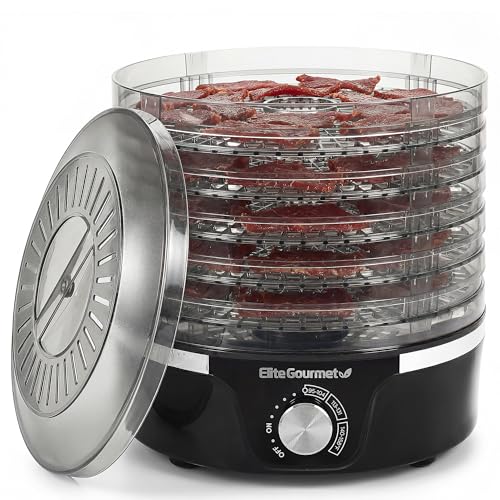
Elite Gourmet EFD319 Food Dehydrator, 5 BPA-Free 11.4" Trays Adjustable Temperature Controls, Jerky, Herbs, Fruit, Veggies, Dried Snacks, Black
CUSTOM TEMPERATURE CONTROL FOR PERFECT RESULTS: Adjustable temperature range from 95°F–158°F lets you dry fruits, vegetables, herbs, mushrooms...
As an affiliate, we earn on qualifying purchases.
Conclusion
Incorporating chia into your gluten-free diet not only boosts your nutrient intake but also feels like a natural coincidence—sometimes, the simplest choices bring the most unexpected benefits. By embracing this tiny seed, you might discover a hidden ally in your health journey, reminding you that small, deliberate steps often align perfectly with your goals. So, keep an open mind; sometimes, the right food at the right time makes all the difference.

COSORI Food Dehydrator, Bigger Than 7 Trays with Large 6.5 ft² Drying Space, Stainless Steel Trays, 600W Faster Drying, 165°F Dehydrated Dryer for Jerky, Dog Treats, Herbs, Meat, Fruit, Yogurt, Silver
𝗕𝗜𝗚𝗚𝗘𝗥 𝗧𝗛𝗔𝗡 𝟳 𝗧𝗥𝗔𝗬𝗦: With 6 stainless steel trays providing 6.5 ft² of drying space, this dehydrator is...
As an affiliate, we earn on qualifying purchases.

VEVOR Vacuum Freeze Dryer Machine, 8.8-13.2 LBS/Batch Food Freeze Drying Machine with 4-Layer Trays, Vacuum Pump, Adjustable Timer and Temperature Control, for Fruits Vegetables Meat, White
Large Capacity: The freeze dryer utilizes an 8.8-13.2 lbs (4-6 kg) capacity with a 4-layer tray design, handling...
As an affiliate, we earn on qualifying purchases.