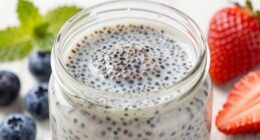
Adding chia seeds to your salad dressings is a simple way to boost nutrition and improve texture. They’re rich in omega-3s, fiber, and antioxidants, supporting heart health and digestion. Soaking them first helps prevent clumping and creates a natural thickener. You can mix them into vinaigrettes, lemon juice, or creamy dressings for added crunch and silky consistency. Keep exploring to discover tips on perfecting your chia seed dressings and maximizing their benefits.
Key Takeaways
- Chia seeds add omega-3s, fiber, and antioxidants to salads, boosting overall nutritional value effortlessly.
- Soaking chia seeds creates a gel that naturally thickens dressings and enhances texture.
- Incorporating chia seeds improves digestion, supports heart health, and promotes feelings of fullness.
- They can be blended into vinaigrettes, lemon dressings, or creamy sauces for added flavor and nutrition.
- Using chia seeds in dressings allows customization with various flavors and superfoods for a healthful meal.
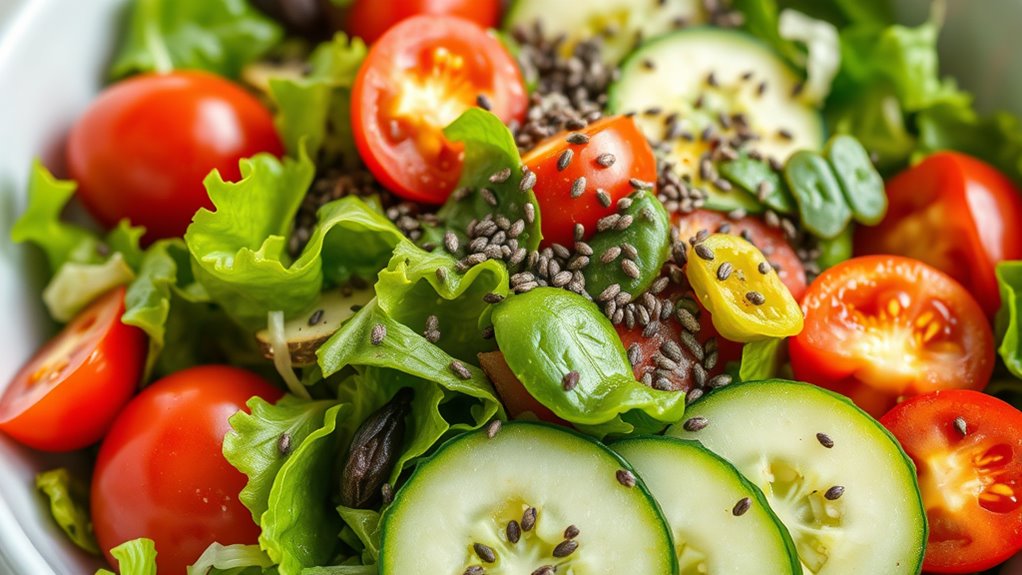
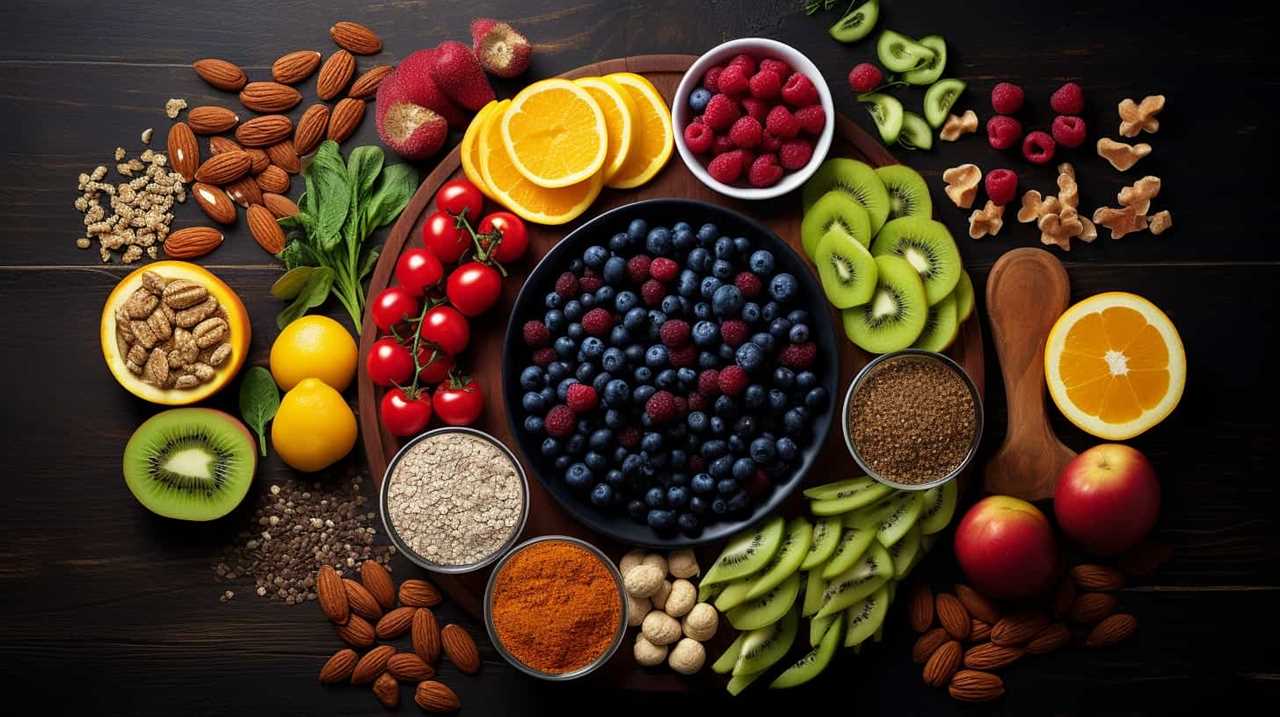
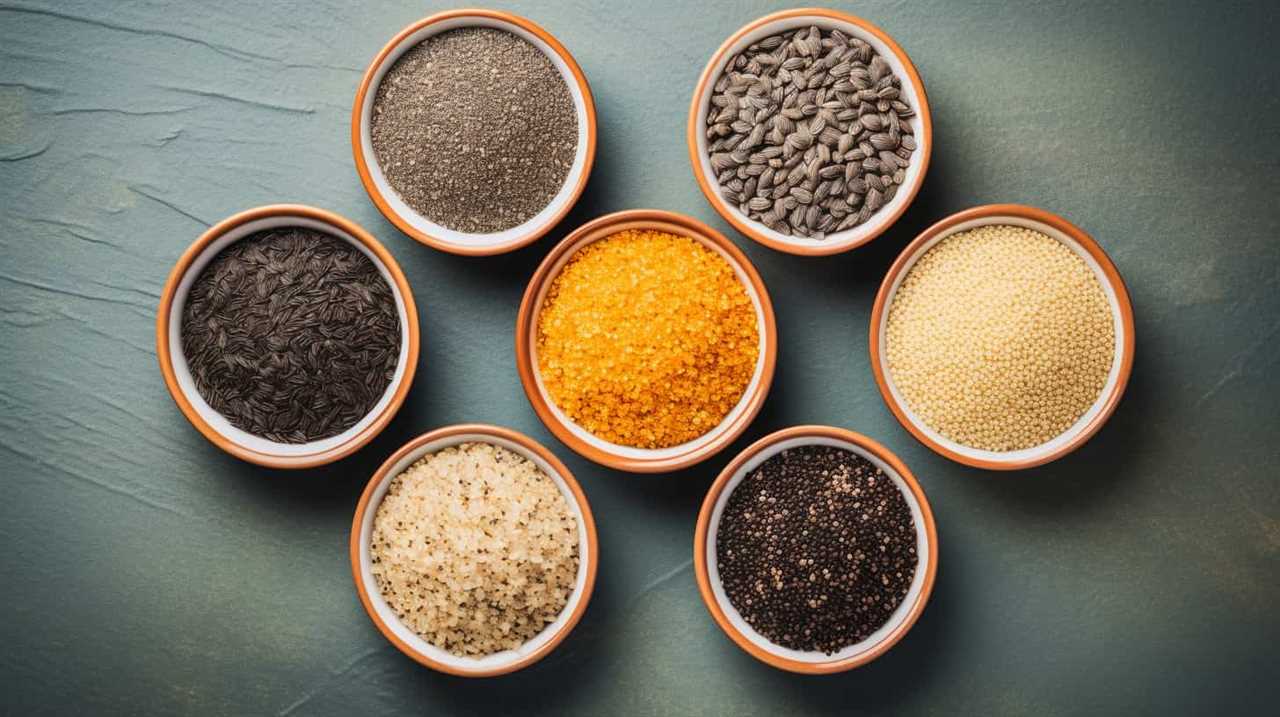
Adding chia seeds to your salad dressings is a simple way to boost both nutrition and texture. These tiny seeds pack a punch when it comes to health benefits, making your meals more nourishing with minimal effort. Chia seeds are rich in omega-3 fatty acids, fiber, antioxidants, and essential minerals like calcium and magnesium. When incorporated into your salad dressings, they not only enhance the nutritional value but also add a subtle, pleasant crunch that elevates your salad experience. Their ability to absorb liquids and form a gel makes them versatile culinary ingredients, allowing you to experiment with different dressings and textures. Additionally, chia seeds can be used in conjunction with other superfoods to further enhance your salad’s health profile.
In terms of health benefits, chia seeds are known for their role in supporting heart health, improving digestion, and stabilizing blood sugar levels. The high fiber content helps you feel full longer, which can aid in weight management and prevent overeating. Additionally, the omega-3 fatty acids contribute to reducing inflammation and promoting brain health. By adding chia seeds to your salad dressings, you’re unknowingly creating a more balanced and heart-friendly meal. Their mild flavor blends seamlessly into vinaigrettes, creamy dressings, or even simple lemon juice and olive oil mixes. This versatility means you can enjoy the health benefits without compromising on taste or texture.
Culinary uses of chia seeds in salad dressings are quite broad. Before adding them, you might want to soak the seeds in a bit of water or vinegar for about 10-15 minutes. This softens them and prevents clumping, ensuring they distribute evenly throughout your dressing. Once soaked, they form a gel-like consistency that can thicken dressings naturally, eliminating the need for additional thickeners. If you prefer a chunkier texture, sprinkle them directly into your dressing after soaking. Chia seeds also work well in creating emulsified dressings, adding a slight viscosity that makes the dressing cling better to greens. You can customize the flavor by mixing them into lemon, balsamic, or tahini-based dressings, enhancing both taste and nutritional profile. Incorporating chia seeds can also help to maximize nutritional benefits from your salads.

Viva Naturals Organic Chia Seeds, 2 lb, 32 Oz – Plant-Based Omega-3 and Vegan Protein, Gluten Free & Non-GMO, Perfect for Smoothies, Salads & Chia Pudding
PLANT-BASED OMEGAS-3 — Omega fatty acids are important fats, and luckily chia seeds organic contain omega-3s. Incorporate them…
As an affiliate, we earn on qualifying purchases.
As an affiliate, we earn on qualifying purchases.
Frequently Asked Questions
Can Chia Seeds Be Used in Hot Salad Dressings?
Yes, you can add chia seeds to hot salad dressings, but their hot dressing compatibility depends on timing. If you sprinkle them directly into the hot dressing, they may not dissolve well and could become gummy. To avoid this, add chia seeds after you’ve heated the dressing or let it cool slightly. This way, you guarantee proper chia seed dissolution without compromising texture or flavor.
Do Chia Seeds Alter the Flavor of Salad Dressings Significantly?
You might find that chia seeds bring a subtle, earthy flavor rather than a bold one, so the flavor impact of your salad dressing remains quite gentle. However, their texture changes can be noticeable, as they create a slight gel-like consistency that thickens the dressing. While your taste buds won’t be overwhelmed, the overall mouthfeel becomes richer, adding an interesting layer without overpowering the original flavors.
How Long Can Chia Seed-Based Dressings Be Stored?
Chia seed-based dressings can be stored in the refrigerator for up to 5 days. To maximize freshness, keep the dressing in an airtight container and stir it well before each use. Refrigeration tips include checking for any signs of spoilage, like off smells or mold. If it thickens too much, simply shake or stir in a little water or oil to restore the desired consistency.
Are There Any Allergies Associated With Chia Seeds?
You should be aware that some people with nut allergies or seed hypersensitivity might react to chia seeds. Although rare, allergic reactions can include itching, swelling, or difficulty breathing. If you’re unsure, it’s best to consult your doctor before adding chia seeds to your diet. Always check labels and start with small amounts to observe any adverse reactions, especially if you have known food allergies or sensitivities.
Can Chia Seeds Replace Eggs in Salad Dressing Recipes?
Yes, you can use chia seeds as an egg substitute in salad dressings. They act as a binding agent when soaked in water, creating a gel that helps thicken and hold ingredients together. To use them, mix 1 tablespoon of chia seeds with 3 tablespoons of water and let it sit until it forms a gel. This makes chia seeds a great natural alternative to eggs as a binding agent in dressings.
chia seed gel maker
As an affiliate, we earn on qualifying purchases.
As an affiliate, we earn on qualifying purchases.
Conclusion
Adding chia seeds to your salad dressings is like planting tiny seeds of health that bloom into vibrant wellness. They blend seamlessly, enriching every bite with extra fiber, omega-3s, and antioxidants. As you toss your salads, remember, you’re cultivating a garden of nourishment, each seed a small but mighty hero. Embrace these little powerhouses and watch your meals transform into a nourishing mosaic, turning simple salads into a symphony of vitality.
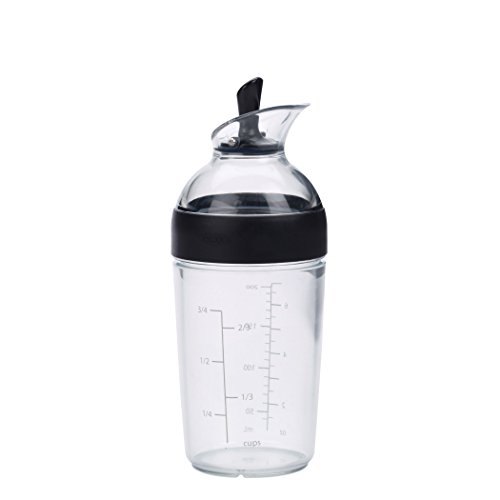
OXO Good Grips Little Salad Dressing Shaker – Black, Small
Ideal for making, mixing, serving and storing dressings, sauces and marinades
As an affiliate, we earn on qualifying purchases.
As an affiliate, we earn on qualifying purchases.

Viva Naturals Organic Chia Seeds, 1 lb, 16 Oz – Plant-Based Omega-3 and Vegan Protein, Gluten Free & Non-GMO, Perfect for Smoothies, Salads & Chia Pudding
PLANT-BASED OMEGAS — Omega fatty acids are important fats, but when following a vegan or vegetarian lifestyle, it…
As an affiliate, we earn on qualifying purchases.
As an affiliate, we earn on qualifying purchases.