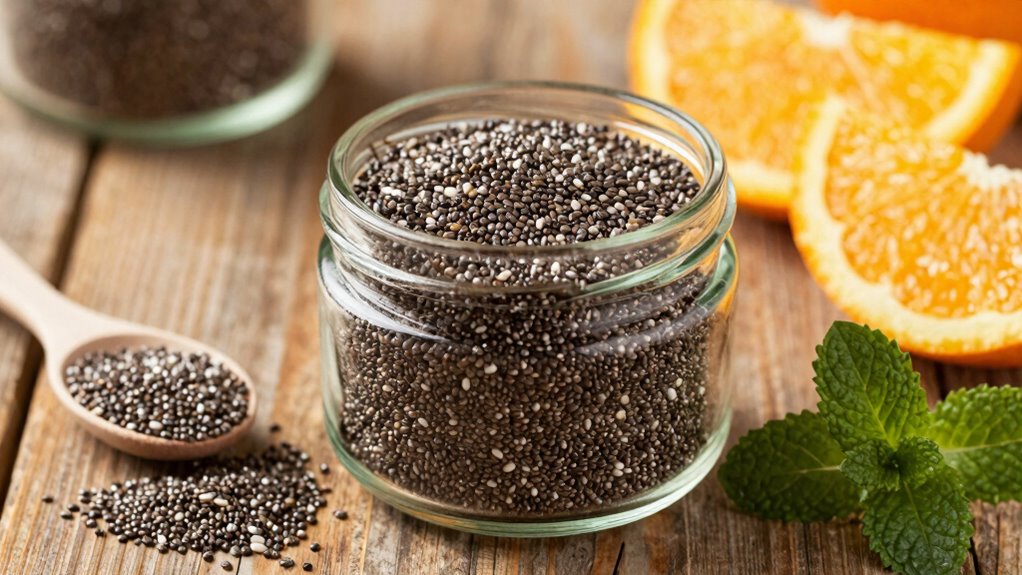

Chia seeds matter as future pantry staples because they’re highly nutritious, providing omega-3s, fiber, protein, and minerals in small servings. They’re also incredibly versatile—you can add them to smoothies, baked goods, or salads, and they can replace eggs or thicken drinks. Plus, they’re sustainable, requiring minimal water, thriving in diverse climates, and having a long shelf life. Keep exploring to discover how chia seeds can transform your diet and support a greener future.

Get garden gear delivered free — and shop member deals
- Fast, free delivery on millions of items
- Access to Prime Big Deal Days deals on October 6–7
- Prime Video, Amazon Music and more included
Key Takeaways
- Chia seeds offer dense nutritional benefits, supporting health and sustainability as essential future pantry staples.
- Their versatility allows easy incorporation into various foods, promoting diverse, nutrient-rich diets.
- Sustainable cultivation methods minimize water use and environmental impact, aligning with eco-friendly food systems.
- Long shelf life and lightweight nature reduce waste and transportation emissions, enhancing supply chain sustainability.
- Their adaptability to diverse climates ensures reliable production, securing future food resilience.
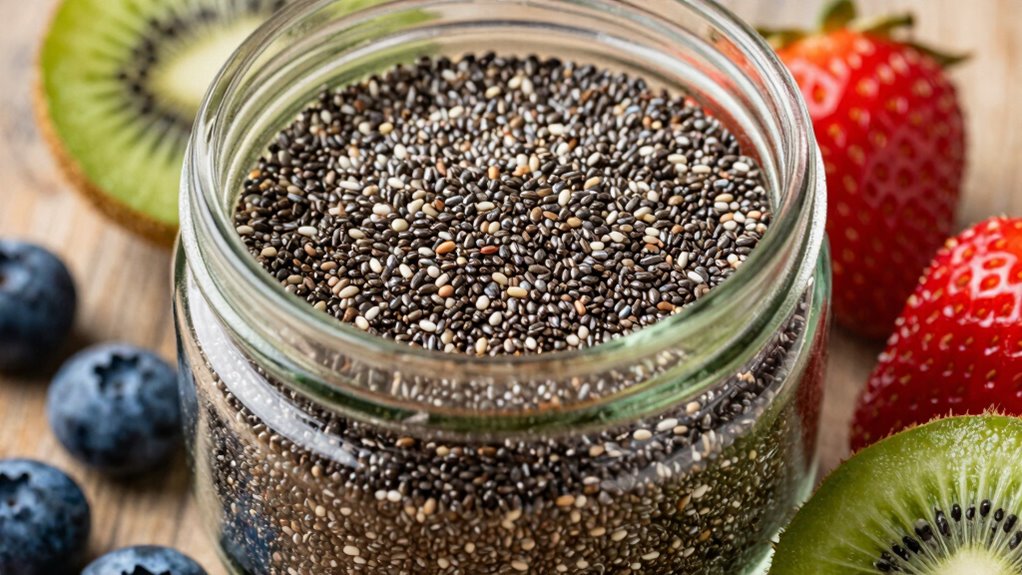
As more people prioritize health and sustainability, chia seeds are quickly becoming a must-have in future pantry staples. Their rise in popularity isn’t just a trend; it’s rooted in their impressive nutritional benefits and incredible culinary versatility. When you include chia seeds in your diet, you’re adding a powerhouse of nutrients—rich in omega-3 fatty acids, fiber, protein, antioxidants, and essential minerals like calcium, magnesium, and phosphorus. These qualities support overall health, boost energy, improve digestion, and may even aid in weight management. Because they’re low in calories yet densely packed with nutrients, chia seeds give you more value in every spoonful, making them an efficient supplement to your daily diet.
What really sets chia seeds apart is their culinary versatility. You can incorporate them into a wide variety of dishes without much effort. Want a quick breakfast? Stir them into your yogurt or oatmeal for added texture and a nutritional boost. Prefer smoothies? Blend them in to thicken your drink and enhance its health benefits. Baking becomes easier too—chia seeds can replace eggs in vegan recipes, act as a binder in muffins and bread, or be sprinkled on salads and soups for a crunchy finish. Their ability to absorb liquid and form a gel makes them a natural thickening agent in puddings, jams, and even homemade energy bars. This flexibility means you can enjoy their benefits whether you’re preparing a simple snack or an elaborate meal. Additionally, understanding the different technology options available for processing and cultivating chia seeds can help ensure you select the most sustainable and nutrient-preserving sources. Employing advanced cultivation techniques can further enhance the nutritional profile and environmental sustainability of chia seed production. Moreover, exploring innovative harvesting methods can improve yield efficiency and minimize environmental impact. Incorporating modern agricultural practices can also boost the resilience of chia crops against climate variability, ensuring consistent supply.
In addition to their health perks and culinary adaptability, chia seeds also align with sustainability goals. They require minimal water to grow and can be cultivated in diverse climates, making them an eco-friendly choice for future food systems. Their long shelf life means less waste, and their lightweight nature reduces transportation emissions. As you look to build a more sustainable pantry, chia seeds fit seamlessly into that vision—offering nutrition without a hefty environmental footprint. Moreover, their status as a nutrient-dense food emphasizes the importance of content quality and topical authority, ensuring that your diet remains both wholesome and credible.
In essence, chia seeds matter because they seamlessly combine health benefits with culinary innovation and sustainability. They’re a smart addition to your pantry, helping you eat well and support the planet at the same time. As you plan your future meals, keep in mind how versatile and nutrient-dense these tiny seeds are—they’re more than just a superfood; they’re a staple that can adapt to your lifestyle and dietary needs. Embracing chia seeds now means investing in a healthier, more sustainable future for yourself and the environment.
As an affiliate, we earn on qualifying purchases.
Frequently Asked Questions
Are Chia Seeds Suitable for All Dietary Restrictions?
Chia seeds are suitable for most dietary restrictions, making them a versatile pantry staple. They’re naturally gluten-free, offering excellent gluten-free options for those with celiac disease or gluten sensitivities. Plus, they’re vegan-compatible, providing a plant-based source of omega-3s, fiber, and protein. You can easily incorporate them into your diet, whether you’re vegan, gluten-free, or have other dietary needs, making chia seeds a flexible addition to your pantry.
How Do Chia Seeds Compare Nutritionally to Other Seeds?
Ever wondered how chia seeds stack up nutritionally against other seeds? Compared to flaxseeds or pumpkin seeds, chia offers a unique nutritional comparison with high fiber, omega-3 fatty acids, and protein content. Its seed versatility shines through in smoothies, baked goods, and puddings. Unlike some seeds, chia absorbs liquid and expands, making it a functional pantry staple that boosts your health effortlessly. Wouldn’t you want a seed that does so much?
Can Chia Seeds Replace Eggs in Baking?
Yes, chia seeds can replace eggs in baking, serving as an effective egg substitute. When mixed with water, they form a gel that mimics the binding and moisture properties of eggs, enhancing baking versatility. You typically use one tablespoon of chia seeds with three tablespoons of water to replace one egg. This natural substitute works well in muffins, pancakes, and cookies, making your baked goods healthier and plant-based.
What Are the Environmental Impacts of Chia Seed Production?
Chia seed production has some environmental impacts, mainly related to water usage since sustaining chia crops requires significant water, especially in arid regions. However, if farmers practice sustainable farming techniques, they can minimize water waste and reduce environmental stress. By choosing sustainably farmed chia seeds, you support eco-friendly agriculture, helping to conserve water resources and promote responsible farming practices. This makes chia seeds a more sustainable addition to your pantry.
How Should Chia Seeds Be Stored for Maximum Freshness?
Imagine preserving tiny treasure chests of nutrition. To maximize freshness, store your chia seeds in an airtight container, away from light, heat, and moisture. Use a cool, dark pantry or cupboard to maintain their quality. Proper storage techniques guarantee freshness preservation, keeping chia seeds crunchy and potent for months. Regularly check for any off smells or clumping, and reseal tightly after each use to prolong their shelf life.
As an affiliate, we earn on qualifying purchases.
Conclusion
So, next time you reach for your usual pantry staples, consider chia seeds—those tiny, unassuming powerhouses. Ironically, it’s often the smallest ingredients that hold the biggest future potential. As they quietly boost your health and sustainability, you might just find yourself wondering why you didn’t start using them sooner. Who knew that such a tiny seed could make such a big difference? Sometimes, it’s the smallest change that makes the greatest impact.
As an affiliate, we earn on qualifying purchases.
As an affiliate, we earn on qualifying purchases.
Fall yard work Picks
leaf blowers
As an affiliate, we earn on qualifying purchases.