TL;DR
Choose gardening gift sets around what the recipient grows, where they garden, and what they already own. A few durable tools or a complete, well-explained growing kit usually beats a large assortment of flimsy accessories. Check seed suitability, seasonal instructions, and any extra supplies the recipient will need.
A gardening gift set can look like a miniature garden in a box: neat pots, bright seed packets, and tools with polished wooden handles. But the gift only earns a place by the back door if it suits the person who opens it. A balcony herb grower and a gardener with a wide vegetable plot need very different things.

Get garden gear delivered free with Prime
- Fast, free delivery on millions of items
- Prime Video, Amazon Music and more included
- Member-only deals all year
This guide helps you match a set to the recipient’s favorite plants, available space, experience, and local growing conditions. You’ll also learn what to check before buying, from tool quality to seed instructions, so the gift feels personal and gets used. A good gardening gift is less like handing someone a box of parts and more like giving them a clear first step toward something they’re excited to grow.
Gardening gift sets can bundle tools, seeds, growing supplies, or accessories into one ready-to-give package. The useful ones keep the contents focused: a handful of reliable items that work together, with enough guidance to help the recipient get started.
Choose the set around the recipient’s plants, gardening tasks, and experience.
For balcony or windowsill gardeners, check container size, sunlight, drainage, and included growing medium.
Beginner kits should provide clear instructions and a manageable project with the supplies to start.
For seed gifts, check plant names, local suitability, and sowing guidance.
Experienced gardeners may prefer an unusual seed, a useful replacement, a workshop, or a nursery voucher over duplicate tools.
Match the gift to what they love to grow
Gardening gift sets work best when their contents match the recipient’s favorite plants and tasks. A set for herbs, vegetables, houseplants, or cut flowers should make that person’s next gardening session easier or more enjoyable. If you know your friend spends Sundays pruning roses, a box of herb seeds will probably miss the mark; quality pruners or gloves are a closer fit.
Start with what you’ve seen them grow, buy, or talk about. A keen cook who keeps basil by the kitchen sink may enjoy an herb kit with pots, seeds, growing medium, and clear care directions. Someone who fills the dining table with dahlias might prefer flower seeds and labels, while a houseplant fan could appreciate propagation supplies. Those details turn a generic present into a sign that you paid attention.
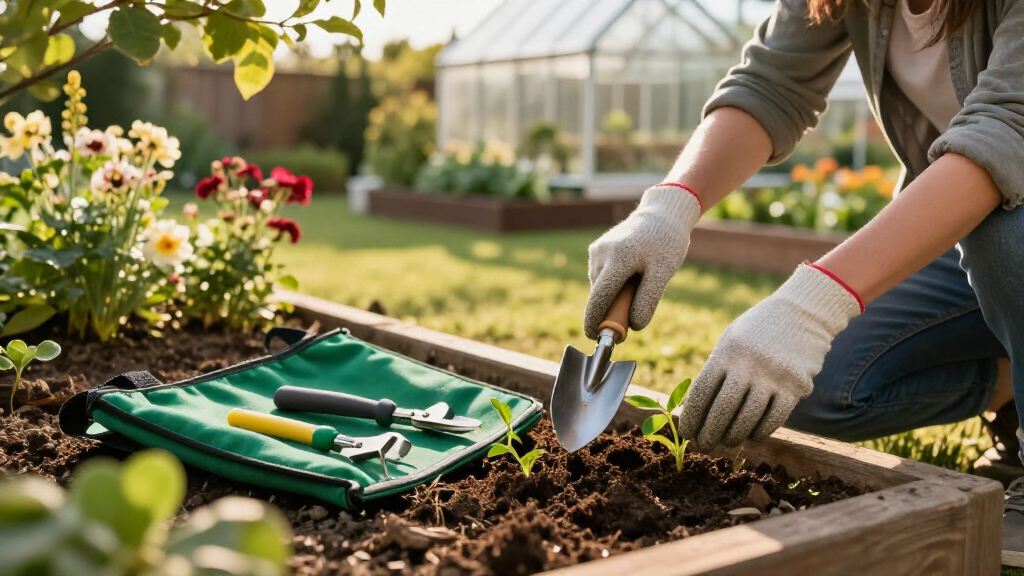
Useful tools include a hand trowel, hand fork, pruners, and weeder, but few gardeners need every tool bundled together. Check for sturdy construction, comfortable grips, and replaceable parts where available. A lightweight trowel with a smooth handle may feel much better during a long afternoon in pots than a heavy set of shiny, awkward tools. The best gift is often the one that makes a familiar chore more pleasant.
Think about how a full set will feel in real use. If the recipient already owns a sharp pair of pruners, a second pair may become drawer clutter; quality gloves or a tool-cleaning brush could earn a place by the sink. That’s what makes a good gardening gift: it meets the gardener where they are and gives them something they’ll reach for again.
Products Worth Considering

Weber Traveler Compact Portable Gas Grill

KitchenAid Artisan 5-Qt Tilt-Head Stand Mixer – Almond Cream (KSM150PS)

Cuisinart Compact Automatic Bread Maker, 2 lb, CBK-110NAS
As an affiliate, we earn on qualifying purchases.
Pick a set that fits their real growing space
The right gardening gift set fits the space the recipient can actually use. A sunny windowsill, a balcony railing, a shared allotment, and a large backyard each come with different limits. A gift can be beautifully made and still disappoint if its pots won’t fit on the balcony or its flowers need a sunny garden the recipient doesn’t have.
For a balcony gardener, consider compact herb, salad, or container-growing sets. Before you buy, check the container size, light needs, drainage, and whether the kit includes growing medium. Picture someone with a narrow balcony and one west-facing window: a compact basil and salad kit might suit them better than a tall planter and a packet of sun-loving flowers that need more room.
Small-space kits are a practical starting point because they give a new grower a manageable project. But a windowsill can only offer so much sunlight, and every container needs somewhere to drain. If the kit calls for a bright, sheltered spot and the recipient has a dim kitchen, try a lower-light houseplant or a garden-center voucher instead.
Check what else the recipient will need before the first seed goes into soil. Some kits include seeds and a care card but leave out pots and compost; others require extra water, a tray, or a specific sunny location. A kit that clearly lists its requirements lets you judge whether the recipient can use it. Without that check, your thoughtful gift may sit in its box while they hunt for the missing pieces.
Choose a kit beginners can start without extra shopping
A beginner-friendly gardening gift set includes a clear project, simple instructions, and the supplies needed to begin. The recipient should be able to understand what to do with the seed packet, pot, and growing medium without first buying half the garden center. A tidy kit with a manageable herb project can feel inviting; a box of mysterious pellets and unlabeled seeds can feel like homework.
If you’re buying for someone new to growing, look for named plants, sowing guidance, watering advice, and a note about the light the plants need. Take a first-time gardener who wants to grow parsley on a windowsill: a labeled pot, parsley seeds, growing medium, and a short care card offer a gentler start than a bundle that says only “plant in spring.” The small details give them a better chance of seeing green shoots appear.
Beginners benefit from one clear win more than a dozen simultaneous experiments. A kit with basil, chives, and parsley may be fun if each plant has its own care directions, but it can be confusing if the growing requirements differ. Consider the recipient’s time as well as their enthusiasm. A simple salad-leaf project might suit a busy new gardener better than a demanding plant that needs close attention.
Some gift sets need seasonal timing, so read the sowing details before you wrap them. Seeds can often be given year-round, but the right time to start them depends on the plant and local conditions. If your friend receives a spring sowing kit in late autumn, include a note about storing seeds as directed and waiting for the suitable sowing period. That turns a delayed start into part of the plan.
Compare gift set styles before you choose
The recipient’s growing habits should guide which type of gardening gift set you buy. Kits differ in what they offer: some supply a complete starter project, others provide reliable tools, and some focus on seeds, wildlife, or comfort. Use the comparison below to narrow the options before you get swept up by decorative packaging.
| Set style | Good fit for | Check before buying |
|---|---|---|
| Herb or windowsill kit | New growers, cooks, or people with little outdoor space | Pot size, light needs, included growing medium, and care directions |
| Hand-tool set | Gardeners who regularly plant, weed, or prune | Comfortable grips, sturdy materials, and useful tool selection |
| Flower or pollinator kit | People who enjoy blooms or want to support garden wildlife | Local suitability, plant names, and invasive-species risks |
| Houseplant or propagation set | Indoor gardeners and plant sharers | Whether the contents suit their plants and existing setup |
| Comfort and care set | People who spend long stretches outdoors | Glove fit, kneeling pad comfort, and practical upkeep items |
Packaging is a bonus; quality and fit do the real work. A wooden-handled trowel and a small packet of useful seeds may prove more valuable than a big box of thin tools and extras the recipient won’t touch. If your neighbor grows tomatoes every summer, a focused set of plant labels and a sturdy hand fork could be a better match than a broad assortment marketed as an all-in-one gardening kit.
The table is a starting point, not a rulebook. An experienced houseplant collector may already own propagation scissors but still enjoy an unusual plant-care book or a voucher for a local nursery. Think about what would bring a little pleasure to their existing routine, then compare the actual contents rather than relying on a set’s name.
Check seeds, wildlife claims, and materials before gifting
Seed suitability and clear product details matter more than a broad “eco-friendly” label. Plants need conditions that fit the recipient’s region, available light, and season. Wildlife-focused gifts deserve the same care: a packet labeled “wildflower mix” does not automatically contain species suitable for every location.
If you’re considering a pollinator kit, check whether it names the plants and whether those varieties suit the recipient’s region. A local gardener might welcome native flowers that fit their climate, while an unlabeled mixture could contain plants they don’t want or that won’t thrive there. If the seed list is missing, pick a different gift or ask a local nursery for a regionally appropriate option.
Peat-free growing medium, reusable materials, and less packaging can be useful buying signals, but read the details rather than taking a slogan at face value. A durable metal hand fork that lasts for years may make more practical sense than several disposable-looking accessories wrapped in layers of plastic. Look at what the materials are, whether the pieces can be reused, and whether the package says what the growing medium contains.
“A seed mix is only a good wildlife gift when the plants suit the place where they’ll grow.”
Also check for ingredients, materials, or plants the recipient would prefer to avoid. Someone with a household pet or young children may want to know what plants are included before bringing seeds or a new plant home; keep any relevant plant-safety information with the gift and follow reliable guidance for the specific variety. A careful label check can save your recipient an awkward surprise and help them enjoy the gift with confidence.
Give an experienced gardener something they won’t already own
For an experienced gardener, choose a thoughtful upgrade, unusual seed, or gardening experience that complements their routine. A standard tool bundle can duplicate equipment they’ve used for years. A specific replacement, an interesting plant guide, or a workshop can feel more personal because it shows you noticed what they enjoy.
For instance, if your aunt has a greenhouse full of seedlings, she may already own several trowels but appreciate quality labels, a practical cleaning brush, or seeds for a flower she has mentioned wanting to try. If your friend keeps a balcony full of edible plants, consider varieties suited to containers and the light they get. A small detail from a past conversation can make a modest gift feel remarkably well chosen.
Experiences can work especially well when storage space is tight. A gardening class, guided nursery visit, or voucher for a local garden center lets the recipient choose a plant or tool that suits their own plot. You can pair a voucher with a packet of relevant seeds or a handwritten note, so the present still feels ready to unwrap.
Consumable gifts are another good option when someone already owns the basics. Choose seeds around their favorite foods or flowers, or match a care accessory to a task they do often. If you aren’t sure what they need, a flexible nursery voucher can be kinder than a large set packed with duplicates. The right choice depends on how they garden, not how many pieces fit in the gift box.
Frequently Asked Questions
What should a gardening gift set include?
A useful set includes items that suit the recipient’s gardening style. A beginner herb kit might bundle seeds, pots, growing medium, labels, and simple instructions. A tool set should focus on a few sturdy, comfortable tools rather than a large assortment of accessories.
Are gardening kits good gifts for beginners?
Yes, when the kit explains how to start and gives the beginner a manageable project. Check that it includes the essentials or clearly lists any supplies they must add. A windowsill herb kit with care directions can be an easier first step than an assortment of seeds with no guidance.
What is a good gardening gift for someone with a balcony?
Compact herb, salad, or container kits often suit a balcony. Check the pot size, drainage, sunlight needs, and whether the recipient can reach water. A narrow, sunny balcony may suit a small herb planter better than a large kit made for a yard.
Are seed gift sets suitable year-round?
You can give seeds at any time, but sowing dates depend on the plant and local conditions. Check the packet’s instructions so the recipient knows when to sow and how to store the seeds if they need to wait. A thoughtful note about the right season can help them plan ahead.
How do I choose seeds for a gardening gift?
Choose named plants suited to the recipient’s region, space, light, and experience. For pollinator-focused gifts, look for regionally appropriate varieties instead of relying on a broad “wildflower” label. A local nursery can help if you’re unsure what will grow well there.
What can I give a gardener who already has everything?
Consider a useful consumable, a specific replacement, or an experience. Unusual seeds suited to their interests, a workshop, a plant-identification guide, or a local nursery voucher can avoid adding duplicate equipment. If you know they grow tomatoes every year, seeds for an interesting variety may feel more personal than another standard trowel.
Conclusion
Choose the gardening gift set that fits the person’s real growing life. Check what they like to grow, where it will go, and whether the contents are useful and complete. A compact herb kit for a sunny windowsill or a durable tool they’ll use every weekend can say more than a box full of extras.
Make the gift easy to use, and you may soon see its first green shoots on a kitchen sill, balcony, or garden bed. That’s a present with room to grow.