To make gluten-free bread with chia seeds, start by preparing a chia gel with 1 tablespoon of seeds and 3 tablespoons of water, letting it sit until it forms a gel. Incorporate this into your dough along with your favorite gluten-free flours like almond or coconut for added texture, moisture, and nutrition. Using chia seeds helps create a moist, cohesive loaf that’s easier to handle. Keep exploring for more tips to perfect your recipe.
Key Takeaways
- Incorporate prepared chia gel as a natural binder to improve gluten-free bread texture and moisture.
- Use chia seeds mixed with water to substitute eggs, enhancing dough cohesion and elasticity.
- Combine chia seeds with various gluten-free flours like almond or coconut for nutritious, moist bread.
- Adjust liquid content to optimize bread density and crumb structure when adding chia seeds.
- Experiment with chia seed quantities to achieve desired flavor, texture, and nutritional benefits in gluten-free recipes.

If you’re looking to enjoy fresh, homemade bread without gluten, you’re in the right place. Gluten-free bread recipes have come a long way, offering a variety of textures and flavors that can rival traditional bread. One of the best ways to enhance these recipes is by incorporating chia seeds, which offer numerous benefits and add a delightful crunch. Chia seed benefits include improved texture, added nutrition, and better moisture retention, making your bread both healthier and more satisfying.
Enhance your gluten-free bread with chia seeds for better texture, nutrition, and moisture.
When you start exploring gluten-free bread recipes, you’ll notice that chia seeds can serve as a natural binder, replacing traditional gluten’s stretchy qualities. This means your bread will hold together better and have a more satisfying crumb. To incorporate chia seeds, you can soak them in water to create a gel-like consistency that acts as an egg replacer. This not only improves the structure but also boosts the nutritional profile of your bread, giving you extra fiber, omega-3 fatty acids, and antioxidants. Plus, chia seeds help your bread stay moist longer, reducing the risk of dryness that can sometimes plague gluten-free baked goods.
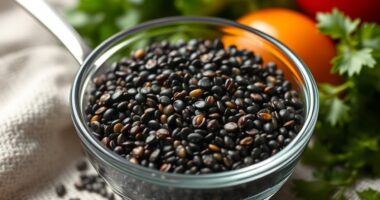
Preparing your chia seed mixture is simple: combine a tablespoon of chia seeds with three tablespoons of water and let it sit for about 10-15 minutes until it develops a gel. When mixed into your gluten-free dough, this gel helps create a cohesive, elastic dough that’s easier to work with. You can add other ingredients like almond flour, tapioca starch, or coconut flour to customize your bread’s texture and flavor. The key is balancing moisture and binding agents, and chia seeds do both effectively. As you experiment, you’ll discover that chia seed benefits extend beyond nutrition—they also improve the overall baking process, making it easier to produce consistent, delicious results.
Incorporating chia seeds into your gluten-free bread recipes is a straightforward way to elevate your baking game. Not only do they enhance the nutritional value, but they also improve the texture and moisture content. Whether you prefer a dense, hearty loaf or a lighter bread, chia seeds can adapt to your preferences. They’re a versatile ingredient that supports your goal of eating healthy without sacrificing taste or quality. With a little practice, you’ll find that chia seed benefits make gluten-free baking more forgiving and rewarding. So, don’t hesitate to experiment with different recipes, knowing that chia seeds will help you create bread that’s both wholesome and delicious—perfect for any occasion or dietary need.
Frequently Asked Questions
Can Chia Seeds Replace Eggs in Gluten-Free Bread?
Yes, you can replace eggs with chia seeds when baking with chia. Chia seed nutrition makes them a great egg substitute because they form a gel when soaked in water, mimicking egg’s binding properties. Use 1 tablespoon of chia seeds with 3 tablespoons of water for each egg. This works well in gluten-free bread recipes, providing moisture and structure, especially when baking with chia to boost nutrition and improve texture.
How Do Chia Seeds Affect Bread Shelf Life?
Chia seeds can help extend your bread’s shelf life by providing storage enhancement and mold resistance. When added, they absorb moisture and create a protective barrier that slows spoilage and mold growth. This means your gluten-free bread stays fresh longer, maintaining its texture and flavor. To maximize these benefits, store your bread in airtight containers and keep it in a cool, dry place.
Are There Any Allergy Concerns With Chia Seeds?
You should be aware that chia seed allergies, though rare, can cause reactions like itching, swelling, or difficulty breathing. If you’re allergic to other seeds or nuts, cross-reactivity concerns might increase your risk of an allergic response. Always start with a small amount when trying chia seeds for the first time, and consult your doctor if you have known seed allergies or experience any symptoms.
What’s the Best Way to Grind Chia Seeds for Baking?
To grind chia seeds for baking, you should use a coffee grinder or a blender to attain a fine, powdery chia seed texture. Start with small batches, pulsing until the seeds reach your desired consistency. Grinding techniques involve quick, short pulses to prevent overheating and clumping. This method guarantees your chia seeds blend smoothly into doughs and batters, enhancing the texture and nutritional benefits of your gluten-free bread recipes.
Can Chia Seeds Improve Bread Dough’s Elasticity?
Ever wonder if chia seeds can boost your bread’s dough elasticity? They absolutely can through chia integration. When soaked, chia seeds form a gel that acts like a natural binder, helping your dough stretch and hold its shape better. This gel improves elasticity, making your bread softer and more pliable. Incorporate ground or whole chia seeds into your recipe, and watch your dough become more resilient and easier to work with.
Conclusion
Now that you have these delicious gluten-free bread recipes with chia seeds, why not give them a try? They’re easy to make, nutritious, and perfect for any time of day. With a little bit of effort, you can enjoy fresh, homemade bread that supports your dietary needs. So, isn’t it time you baked something wholesome and satisfying? Embrace the challenge and enjoy the rewarding smell of your own baking masterpiece!