To maximize your chia seed yield, harvest when seed heads turn light brown or tan, indicating full maturity. Gently cut and spread the seed heads in a well-ventilated, shaded area to dry gradually, avoiding direct sunlight. Regularly inspect the seeds for quality, removing any damaged or shriveled ones, and guarantee they’re fully dry before cleaning. Proper storage in airtight containers keeps seeds fresh longer, boosting germination potential—continue exploring these techniques for the best results.
Open a free Amazon Business account
Business pricing, bulk buying and tax-exempt orders.
As an affiliate, we earn on qualifying purchases.
Key Takeaways
- Harvest when seed heads turn light brown or tan for optimal seed maturity.
- Use gentle shaking or cutting to collect seed heads, minimizing seed damage.
- Spread or hang seed heads in a well-ventilated, dry area to ensure proper drying.
- Regularly inspect seeds for color and appearance, removing damaged or moldy seeds.
- Store dried seeds in airtight containers in a cool, dark place to preserve viability and maximize yield.
Harvesting chia seeds is a straightforward process that requires careful timing and attention to detail. Once the plants have matured and the seed heads are fully developed, it’s time to harvest. But before you start, understanding the importance of seed drying and quality assessment can make all the difference in maximizing your yield. Proper seed drying ensures that your chia seeds stay fresh and viable for storage, while quality assessment helps you determine the best moment to harvest for ideal seed health and productivity.
Harvest mature chia seeds carefully, focusing on drying and quality to maximize freshness and germination potential.
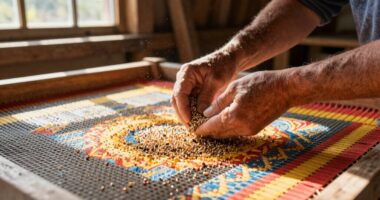
Start by watching your plants closely as the seed heads begin to turn a light brown or tan. At this stage, the seeds inside are mature and ready for harvest. To keep your seeds at their best, you need to focus on seed drying. Once you’ve cut the seed heads from the plants, spread them out in a well-ventilated area away from direct sunlight. This helps to reduce moisture content gradually, preventing mold or mildew. You can also hang bundles upside down in a dry, warm space, which encourages even drying. The goal is to remove excess moisture without over-drying, which could damage the seeds or reduce germination rates.
While drying, regularly check the seeds for quality. This involves inspecting their color, size, and overall appearance. Mature chia seeds should be shiny, smooth, and uniformly black, white, or gray, depending on the variety. If you notice any mold, discoloration, or shriveled seeds, remove those immediately to prevent contamination and ensure the quality of your harvest. A good quality assessment during this stage helps you identify when the seeds are ready for storage or further cleaning.
Once the seeds feel dry and are easily shaken free from the seed heads, it’s time to clean them thoroughly. Use a fine sieve or gentle blowing to remove any debris or leftover plant material. After cleaning, double-check the seeds for any signs of spoilage or pests before storing. Proper seed drying and quality assessment don’t just preserve your harvest; they also enhance germination rates for future planting. If seeds are dried and stored correctly—preferably in airtight containers kept in a cool, dark place—you’ll maintain their viability for months or even years.
Top picks for "harvest chia seed"
As an affiliate, we earn on qualifying purchases.
Frequently Asked Questions
When Is the Optimal Time to Start Harvesting Chia Seeds?
You should start harvesting chia seeds when the plants reach full maturity. Look for maturity indicators like yellowing leaves and seed heads that turn dry and brittle. Harvest timing is vital because waiting too long reduces seed quality and yield. Once the seed heads are fully dry and the seeds rattle inside, it’s the right time to harvest. Acting at the proper maturity ensures you maximize seed quality and yield.
How Do Weather Conditions Affect Chia Seed Harvesting?
Imagine the sun warming your fields, the breeze whispering through ripe chia plants. Weather conditions profoundly impact your harvest; ideal climate adaptability guarantees healthy seeds, while heavy rainfall can cause mold or delay harvesting. Too much rain might flood your crops, reducing seed quality, whereas dry weather helps seeds dry evenly. Keeping an eye on weather patterns helps you time your harvest perfectly, maximizing yield and ensuring your chia seeds are of top quality.
What Equipment Is Best for Efficient Chia Seed Collection?
To efficiently collect chia seeds, you should use a seed cleaner designed for small grains, which removes debris and guarantees purity. A combine harvester with gentle settings can also work well. Keep your equipment well-maintained, regularly check for blockages, and clean it thoroughly after each use. Proper seed cleaning enhances quality, while good equipment maintenance helps maximize your yield and reduces seed loss during harvesting.
How Should Harvested Chia Seeds Be Stored for Maximum Freshness?
You’re sitting on a goldmine of chia seeds, so you want to keep them fresh. To guarantee seed preservation, store your harvested chia seeds in airtight containers away from light and heat. Use proper storage techniques by keeping them in a cool, dark place to prevent spoilage. This way, your chia seeds stay potent and nutritious, proving that a stitch in time saves nine.
Are There Common Pests That Impact Chia Seed Yields?
You might face common pests like seed beetles and weevils that can impact your chia seed yields. Pest identification is essential to recognize these threats early. To prevent infestations, implement pest prevention strategies such as proper storage, moisture control, and using airtight containers. Regularly inspect your stored seeds, and if you spot pests, take immediate action to protect your harvest and guarantee maximum yield quality.
Conclusion
Now that you know how to harvest chia seeds effectively, you’re ready to maximize your yield. Remember, chia plants can produce up to 1,000 seeds per plant, so patience and proper timing pay off. By harvesting at the right moment and handling your seeds carefully, you’ll enjoy a bountiful harvest. With your newfound knowledge, you’ll be well on your way to adding these nutritious seeds to your meals regularly—happy harvesting!
Fall Picks
fall essentials
As an affiliate, we earn on qualifying purchases.