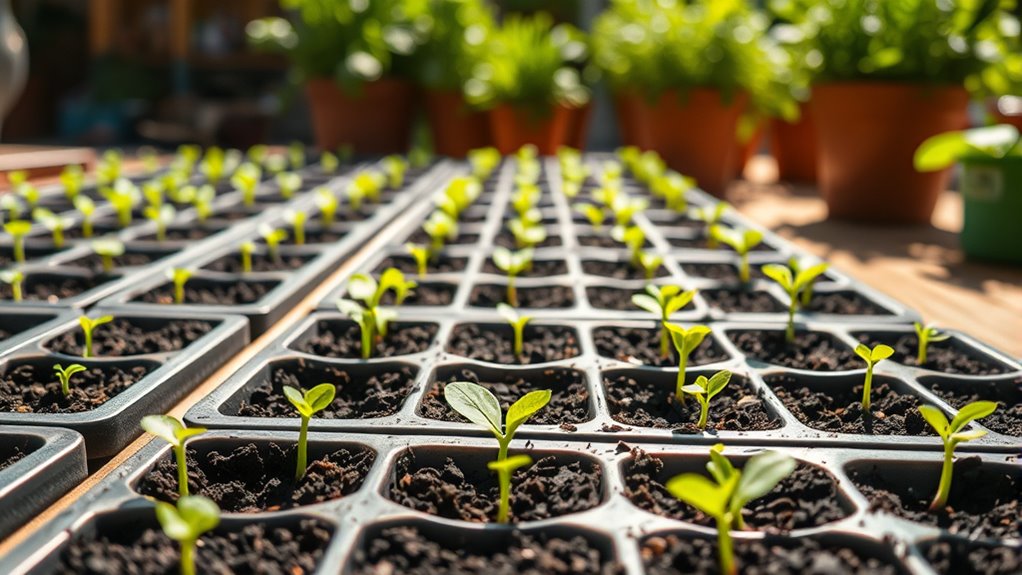

To start an herb garden from seeds, prepare nutrient-rich soil with compost, ensuring good drainage and consistent moisture. Use seed-starting containers and place them in a sunny spot or under grow lights. Water gently and regularly, and keep pests at bay with natural methods like beneficial insects or homemade sprays. Healthy soil, light, and watering are key to strong herbs. Keep going to discover more tips for a thriving, productive garden.

Get garden gear delivered free — and shop member deals
- Fast, free delivery on millions of items
- Access to Prime Big Deal Days deals on October 6–7
- Prime Video, Amazon Music and more included
Key Takeaways
- Choose sunny, well-draining containers or garden beds for optimal seed germination.
- Enrich soil with compost to provide essential nutrients for healthy seedling growth.
- Sow seeds at recommended depths, keeping soil consistently moist with gentle watering.
- Place seedlings in bright, warm spots or under grow lights for strong development.
- Monitor regularly for pests and provide proper spacing to ensure healthy, vigorous herbs.
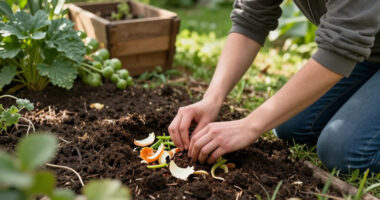
Starting an herb garden from seeds is a rewarding way to grow fresh flavors right at home. When you’re just beginning, understanding how to properly prepare your soil and nurture your seedlings is essential. One of the best ways to give your herbs a healthy start is by employing effective composting techniques. Compost enriches your soil naturally, providing vital nutrients that promote strong root development and vigorous growth. You can create your own compost bin using kitchen scraps like vegetable peels and coffee grounds, turning waste into valuable organic matter. Mix this compost into your planting beds or seed-starting containers to improve soil fertility. Remember, healthy soil leads to resilient plants that are better equipped to fend off pests and diseases, reducing your need for chemical interventions. Incorporating soil health practices such as crop rotation and cover cropping can further enhance the productivity of your herb garden.
As your herbs grow, pest management becomes a key part of maintaining a thriving garden. Start by monitoring your plants regularly for signs of trouble, such as holes in leaves or discolored patches. Instead of immediately reaching for pesticides, try natural pest control methods. Introducing beneficial insects like ladybugs or praying mantises can help keep pest populations in check. You can also make simple homemade sprays using ingredients like neem oil or garlic, which are safe for your herbs and environmentally friendly. Good air circulation and proper spacing between plants also minimize the risk of pests and diseases, creating a healthier environment for your garden. If pests do become a problem, addressing them early is crucial to prevent infestations from spreading.
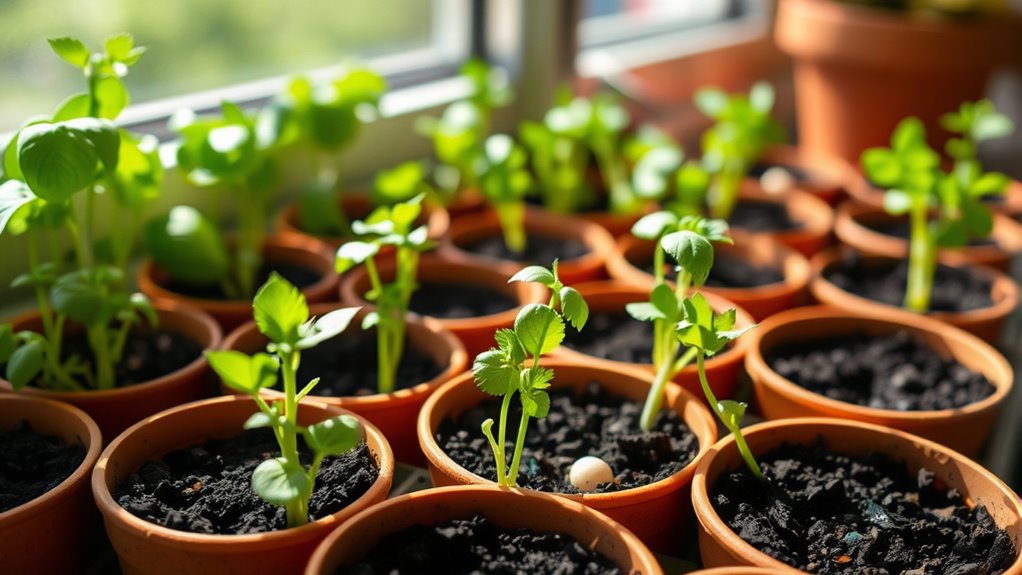
Watering your seedlings carefully is another vital aspect of starting your herb garden successfully. Use a gentle spray to keep the soil consistently moist without overwatering, which can lead to root rot and attract pests. Make sure your containers or garden beds have proper drainage so excess water can escape. Light is equally important; most herbs thrive with several hours of direct sunlight daily. Position your seedlings in a sunny spot or use grow lights if indoors. As your herbs mature, you’ll see that consistent care, combined with good composting techniques and pest management, results in a lush, flavorful herb garden that you can enjoy all season long.
As an affiliate, we earn on qualifying purchases.
Frequently Asked Questions
What Are the Easiest Herbs for Absolute Beginners?
If you’re new to organic herb gardening, you’ll find some herbs easier to grow than others. Basil, mint, and parsley are perfect for beginners because they have versatile herb flavor profiles and thrive with minimal care. These herbs grow quickly and are forgiving of beginner mistakes. Starting with these makes your gardening journey enjoyable and successful, helping you build confidence while enjoying fresh, organic herbs straight from your garden.
How Often Should I Water My Herb Seedlings?
Imagine you’re caring for basil seedlings in your windowsill. You should water your herb seedlings when the top inch of soil feels dry, typically every 2-3 days. Proper watering frequency guarantees seedling hydration without overwatering, which can cause root rot. Check daily and adjust based on soil moisture and humidity. Consistent, gentle watering keeps your herbs healthy and encourages strong growth, making your garden thrive.
When Is the Best Time to Transplant Herbs Outdoors?
You should transplant your herbs outdoors during seasonal planting when outdoor conditions are consistently favorable. Wait until the risk of frost has passed, typically in spring, and make certain daytime temperatures stay above 55°F. Check that the soil is well-draining and has warmed up. Gradually acclimate your seedlings to outdoor conditions over a week to prevent shock. This timing helps your herbs thrive in their new environment.
How Can I Prevent Pests in My Indoor Herb Garden?
To prevent pests in your indoor herb garden, practice organic pest control by regularly inspecting your plants and removing affected leaves. You can also use companion planting techniques, placing basil near tomatoes or marigolds around your herbs, to naturally deter pests. Keep your garden clean, avoid overwatering, and guarantee proper airflow. These methods help maintain healthy herbs and reduce pest issues without chemicals, keeping your garden vibrant and pest-free.
What Soil Type Is Ideal for Herb Seed Germination?
They say, “Don’t put all your eggs in one basket,” and that’s true for herb seed germination. You want a well-draining, light soil type, like a seed starting mix, that’s rich in soil nutrients. This mix provides the perfect environment for your seeds to sprout and grow strong. Avoid heavy, compacted soil, which can hinder root development and water retention, ensuring your herbs get the best start.
As an affiliate, we earn on qualifying purchases.
Conclusion
So, after all this effort, you now have a thriving herb garden, just as you imagined. Or maybe, despite your best intentions, those tiny seeds are stubborn and refuse to sprout. Irony strikes—your green thumb might still be a work in progress. But don’t worry; every failed sprout is just a step closer to success. With patience and persistence, soon you’ll be harvesting herbs you grew from scratch—proof that even beginners can conquer nature’s quirks.
beneficial insects for pest control
As an affiliate, we earn on qualifying purchases.
As an affiliate, we earn on qualifying purchases.
As an affiliate, we earn on qualifying purchases.
Fall Picks
fall essentials
As an affiliate, we earn on qualifying purchases.