TL;DR

Get garden gear delivered free with Prime
- Fast, free delivery on millions of items
- Prime Video, Amazon Music and more included
- Member-only deals all year
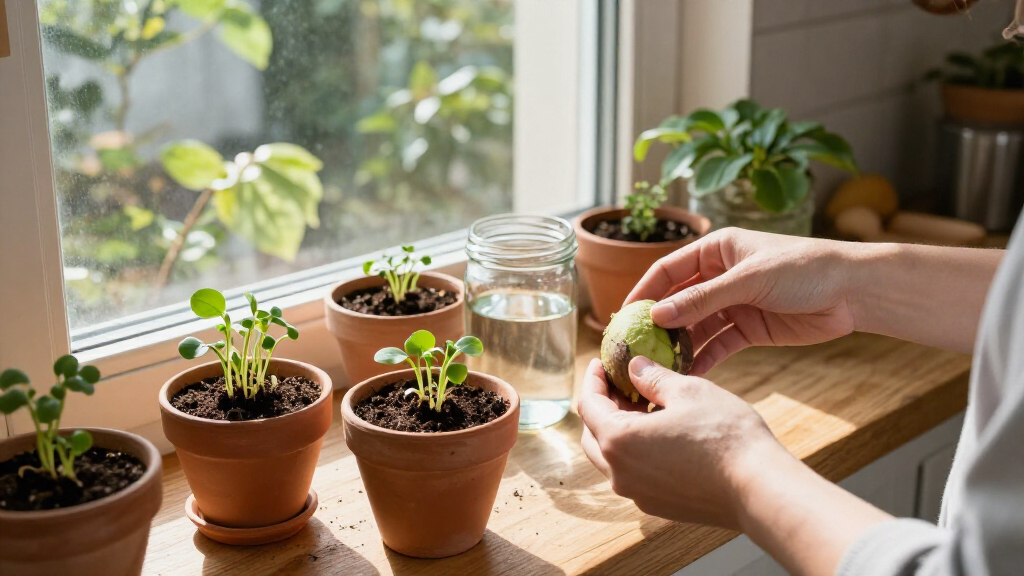
Gardening Know How has published a guide to growing houseplants and edible foliage from fruit seeds and vegetable scraps on a kitchen windowsill. Results vary: citrus and avocado can make foliage plants, while apple and pear seedlings are not reliable ways to grow desirable fruit; the guide also describes regrowing cabbage leaves and carrot tops.
Gardening Know How has published a guide to growing plants from fruit seeds and vegetable scraps on a kitchen windowsill, including citrus and avocado seedlings, cabbage regrowth and carrot foliage. The advice offers readers a low-cost indoor gardening project, while warning that apple and pear seeds generally will not produce fruit like the parent variety.
For citrus, the report says to wash seeds free of pulp and sow them about one-third of an inch deep in moist potting soil. Scraping off the seed’s outer shell is optional, though the guide says it may speed germination. A clear cover can hold warmth and moisture; it should be removed when growth appears. The pot should sit on a sunny windowsill, and the soil should remain moist rather than waterlogged.
To sprout an avocado, the guide recommends suspending the cleaned stone over water with its broader bottom third submerged. A jar and toothpicks can hold it in place. Keep it somewhere warm with bright, indirect light, change the water every two to five days and maintain the water level. The report says sprouting may take up to two months; once roots and leaves are forming, move the seedling into potting soil with good drainage.
Apple and pear seeds need a cold period before sowing, according to the report. It advises cleaning the seeds, keeping the plump ones that sink in water, then sealing them in slightly damp kitchen paper in the refrigerator. A root may appear around the sixth week. The guide cautions that seedlings usually produce small, acidic fruit rather than fruit matching the apple or pear they came from. It presents them instead as possible ornamental or bonsai projects. It also suggests cabbage bases for repeat leaf growth and carrot tops for edible foliage.
What a Windowsill Can Grow
The appeal is practical as well as recreational: people can reuse seeds and vegetable ends that might otherwise be discarded, and try growing plants without buying seeds or established houseplants. Citrus and avocado seedlings can become foliage-focused indoor plants, while cabbage regrowth may provide leaves for cooking. The source does not establish how much food these methods produce or how consistently they succeed, so readers should treat them as small-scale experiments rather than a dependable source of groceries.
The guide also sets expectations about time and outcomes. An avocado can take weeks to sprout, and a citrus seedling may take years to fruit. Apple and pear seedlings carry a particular caveat: growing a tree from a supermarket fruit’s seed does not preserve the fruit’s variety. That distinction matters for anyone whose goal is harvesting familiar, good-quality fruit rather than raising a decorative tree.
indoor seed starting potting soil for citrus and avocado seeds
As an affiliate, we earn on qualifying purchases.
As an affiliate, we earn on qualifying purchases.
Different Seeds, Different Methods
The article groups several kinds of kitchen-scrap propagation together, but they do not all work in the same way. Citrus seeds are planted directly in moist soil; avocado stones are started in water and later transferred to a pot; apple and pear seeds are chilled before planting. These methods reflect different germination needs, rather than a single recipe for every seed.
The report also distinguishes growing a plant from obtaining a predictable crop. Citrus grown from seed can make an aromatic houseplant with glossy leaves, but the guide says fruit may take about a decade. For apples and pears, seedlings may have ornamental value or suit bonsai shaping, but their fruit is unlikely to match the parent. The source provides instructions for cabbage bases and carrot tops as well, though the supplied material does not give detailed steps for those two projects.
“A seed will grow into a foot-tall plant by its first birthday.”
— Gardening Know How
clear humidity dome for seed starting pots
As an affiliate, we earn on qualifying purchases.
As an affiliate, we earn on qualifying purchases.
Growth and Harvests Are Uncertain
The source is a how-to report, not a test of success rates. It does not provide data on how often seeds germinate, how results vary by cultivar or home conditions, or how much edible produce cabbage and carrot regrowth may yield. Its timelines are guidance rather than guarantees: avocado sprouting can take up to two months, while citrus fruit may take roughly a decade.
The supplied material also does not include a publication date, named gardening expert or independent verification of the claims. Readers should not assume that every seed from a fruit will sprout or that a windowsill will provide sufficient light and warmth in every home. The guide’s apple and pear warning is explicit, but it does not identify particular varieties that might behave differently.
avocado seed sprouting jar with toothpicks
As an affiliate, we earn on qualifying purchases.
As an affiliate, we earn on qualifying purchases.
Try One Scrap at a Time
Readers following the guide can start with one seed or plant base, label it and track how it responds before trying several projects. For citrus, that means checking moisture and removing the cover after a sprout appears. For avocado, it means refreshing the water and waiting for roots and leaves before potting. Apple and pear seeds need a period in the refrigerator before sowing.
The next milestone is germination and, for seedlings moved to pots, continued growth under suitable indoor conditions. The source does not provide a specific follow-up schedule, a verified success rate or an expected harvest for the vegetable scraps. Anyone hoping for fruit should account for the long wait with citrus and the unpredictable fruit quality of apple and pear seedlings.
small pots with drainage holes for windowsill seedlings
As an affiliate, we earn on qualifying purchases.
As an affiliate, we earn on qualifying purchases.
Key Questions
Can I grow a citrus plant from a lemon seed?
Yes, according to Gardening Know How. Wash the seed, sow it about one-third of an inch deep in moist potting soil and keep it warm and covered until growth appears. The guide says citrus seedlings can make foliage-focused houseplants, but fruit may take around a decade.
How do I start an avocado seed in water?
Clean the stone and suspend it over a jar so the bottom third sits in water while the top stays dry. Keep it in a warm place with bright, indirect light, change the water every two to five days and pot it once roots and leaves are forming.
Will an apple seed grow the same kind of apple?
Usually not. The report says apple and pear seeds generally produce trees with small, acidic fruit rather than fruit matching the parent. It describes seedlings as better suited to ornamental growing or bonsai projects.
Can vegetable scraps provide food?
The guide says cabbage bases can regrow leaves for salads and stir-fries, and carrot tops can provide foliage for pesto. It does not state how much these scraps will produce, so the results should be treated as a small-scale growing experiment.
Source: rss
Halloween Picks
halloween
As an affiliate, we earn on qualifying purchases.