
TL;DR

Get garden gear delivered free with Prime
- Fast, free delivery on millions of items
- Prime Video, Amazon Music and more included
- Member-only deals all year
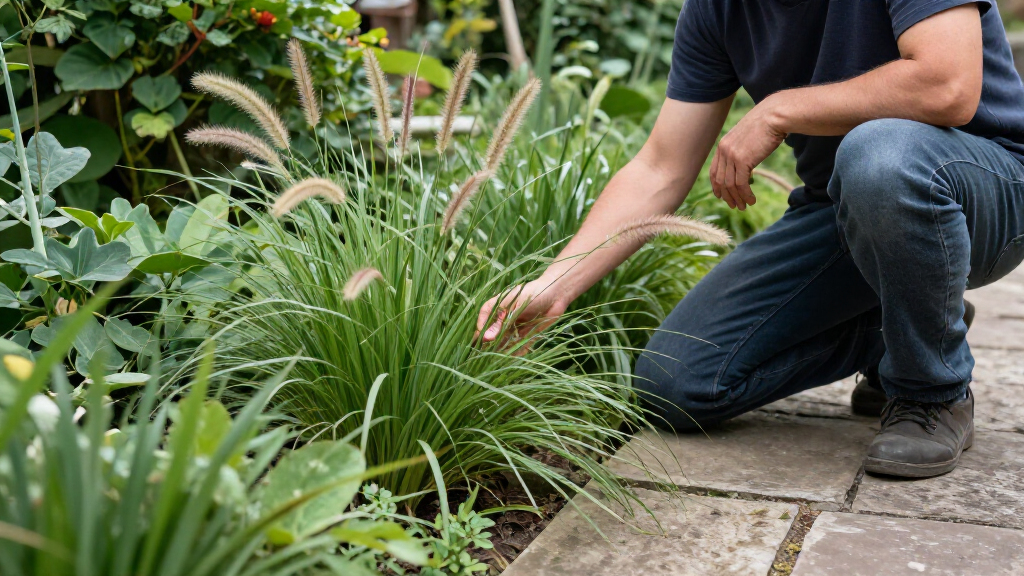
Monty Don shared an Instagram photo of the grass borders at his Longmeadow garden, showing tall ornamental grasses and seedheads beside a more formal garden. Ideal Home reports that the planting offers a low-maintenance border style and may provide shelter for wildlife, though the post does not establish how many species use it.
Monty Don has shared a new Instagram photo of the grass borders at his Longmeadow garden, showing tall ornamental grasses and seedheads beside a more formal planting area. Ideal Home describes the border as a low-maintenance planting scheme that may also offer shelter for wildlife, although neither the post nor the report provides counts of species or evidence measuring its ecological impact.
In the caption accompanying the photo, Don wrote: “Grass borders to the right, jewel garden to the left.” The image, as described by Ideal Home, shows an apparently informal border with layered foliage, grasses and plants left standing after flowering. It contrasts with the more structured “jewel garden” on the other side. The report does not give the post’s date or identify every plant visible in the photograph.
Ideal Home says the border appears to include ornamental grasses and plume thistle seedheads. It points to Calamagrostis x acutiflora ‘Karl Foerster’ as one possible tall grass for a similar effect, noting that it can reach about 1.8 metres. It also recommends Anemanthele lessoniana for foliage that can turn yellow, orange and red in colder months. These are suggestions for gardeners, not confirmed identifications of all the plants in Don’s photo.
The report describes the darkened, standing thistle heads as a source of late-season structure and says the dense planting may provide shelter for insects, small mammals and amphibians. It notes that some of the tallest plants appear to stand without support, while a square frame is visible around some thistles. The photograph alone does not establish how much maintenance the border requires or which animals use it.
A Border With More Than Seasonal Colour
The image offers a practical example of a garden border that relies on height, texture and seedheads rather than a succession of tightly managed flower displays. For home gardeners, the approach may be useful where a softer, less formal look is wanted, particularly in autumn and winter when many flowering plants have faded. Leaving some stems and seedheads in place can also retain visual structure through colder months.
There is a potential wildlife benefit, too. A dense mix of foliage and standing stems can provide cover and shelter, and the report presents this as one reason to avoid cutting everything back immediately after flowering. However, the wildlife value will depend on the plants, the site and the local conditions. The source does not document particular species at Longmeadow or quantify any benefit, so the photo is an example of a gardening style rather than a measured wildlife assessment.
The contrast with the adjacent jewel garden also shows how a less regimented section can sit alongside formal planting. Gardeners need not choose between an orderly layout and a more naturalistic border across the whole garden; the image illustrates how different approaches can appear in neighbouring areas.
Products Worth Considering

Vitamix Propel Series 510 Professional-Grade Blender, 3 Programs, Black

Cuisinart 8-in-1 Air Fryer Toaster Oven with Grill, 1800W, Stainless Steel (TOA-70NAS)

KitchenAid Classic Series 4.5-Quart Tilt-Head Stand Mixer, Onyx Black
As an affiliate, we earn on qualifying purchases.
What the Longmeadow Photo Shows
Ideal Home’s report is based on a photo Don posted to Instagram. It identifies Longmeadow as the setting and quotes the caption describing the grass border and jewel garden. The outlet then uses the image to discuss ornamental grasses, retained seedheads and wildlife-friendly planting. Its article is gardening advice prompted by a social-media update, rather than an announcement of a new project or a detailed account of the garden’s maintenance.
The named plants in the article are presented as options for readers who want a similar effect. Calamagrostis x acutiflora ‘Karl Foerster’ is cited for its height and feathery stems, while Anemanthele lessoniana is mentioned for seasonal foliage colour. The report also refers to plume thistle, Cirsium rivulare ‘Atropurpureum’, as a plant whose seedheads may be visible in the border. Without a complete plant list from Don, those references should not be treated as a definitive inventory of the photograph.
“Grass borders to the right, jewel garden to the left.”
— Monty Don, in the caption to his Instagram photo, as quoted by Ideal Home
Plant List and Wildlife Use Unconfirmed
The source does not state when Don posted the photo, provide a full list of plants in the border or say how often it is maintained. Ideal Home describes several plants as appearing to be present, but the image description does not confirm every identification. It is also unclear which wildlife, if any, has been observed using the border and whether the planting has been assessed for its effect on local populations. The claim that the border can offer shelter is a general gardening interpretation, not a quantified finding about this particular site.
What Gardeners Can Take From It
No further update or planned garden change is identified in the source material. Readers seeking to reproduce the look can use the article’s plant suggestions as starting points, checking the mature size and growing conditions of each species before planting. The report also emphasizes leaving some stems and seedheads standing for seasonal structure and possible shelter, rather than treating the photograph as proof that every garden should be managed the same way.
Any broader claims about Longmeadow’s plant selection, maintenance routine or wildlife visitors would require further information from Don or direct observation. For now, the confirmed development is the social-media photo and its caption; the practical and ecological implications remain guidance and interpretation offered by Ideal Home.
Key Questions
What did Monty Don share?
He posted an Instagram photo of the grass borders at Longmeadow. The caption, quoted by Ideal Home, reads: “Grass borders to the right, jewel garden to the left.”
Which plants are mentioned in the report?
Ideal Home discusses Calamagrostis x acutiflora ‘Karl Foerster’, Anemanthele lessoniana and plume thistle, Cirsium rivulare ‘Atropurpureum’. These are discussed as plants visible or suitable for a similar border; the source does not provide a complete confirmed plant list for Don’s garden.
Why does the border appeal to wildlife gardeners?
The report says dense foliage and standing stems may offer shelter for insects, small mammals and amphibians. It does not identify wildlife seen in the border or measure its impact.
Is the border confirmed to be low-maintenance?
Ideal Home characterizes the planting as low-maintenance, but the source gives no maintenance schedule or comparison with other garden styles. The image shows a naturalistic border; it does not establish the amount of work needed to keep it that way.
Source: idealhome.co.uk