TL;DR

Get garden gear delivered free — and shop member deals
- Fast, free delivery on millions of items
- Access to Prime Big Deal Days deals on October 6–7
- Prime Video, Amazon Music and more included
A Gardener’s Path guide explains how to keep basil producing through fall and winter by moving a healthy plant into a pot before cold temperatures damage its leaves. Indoor success depends on light, warmth, drainage and watering; seed saving and cuttings offer alternatives for continuing the crop.
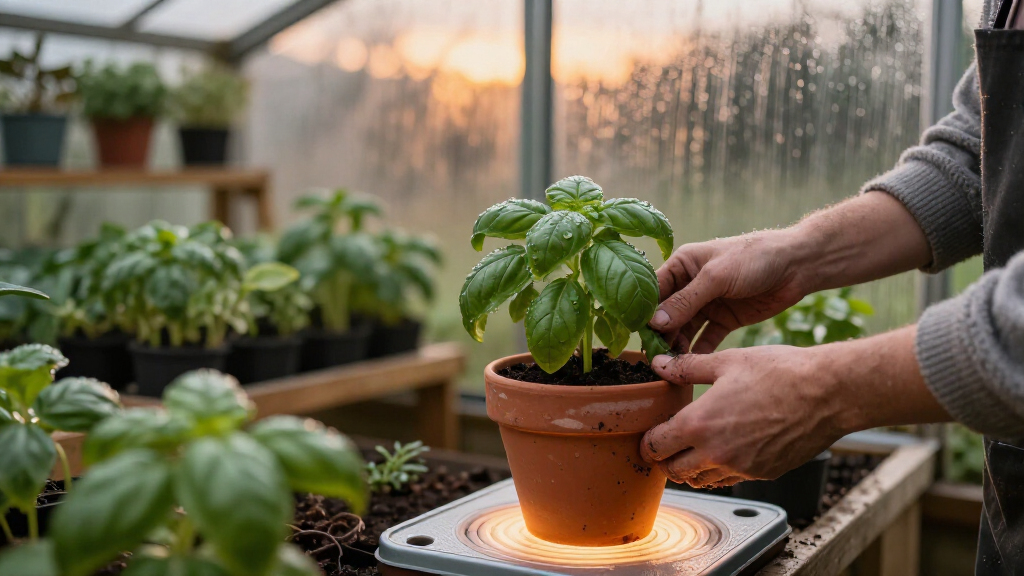
Gardeners can keep basil growing through fall and winter by potting up a healthy plant and bringing it indoors before cold weather blackens its leaves, according to a guide from Gardener’s Path. The advice matters for people who want fresh leaves beyond the outdoor growing season, though indoor growth depends on providing enough light, warmth and water.
The guide says basil is a warm-weather herb that can be damaged when temperatures fall. It reports that temperatures near 50°F can blacken leaves, while temperatures below 45°F are a danger zone. Because cold damage may leave the plant unable to recover, the report recommends moving it before a cold snap rather than waiting for visible injury. Gardeners in warmer areas may be able to leave plants outside longer, but should bring them in if temperatures regularly approach those levels.
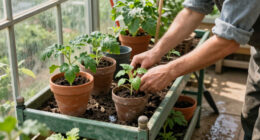
To move a garden plant, the guide recommends choosing a pot with good drainage and a saucer, then digging around the basil carefully to keep its root ball intact. It suggests a pot about 15 inches deep for a large plant, while saying an established basil can sometimes adapt to a container as small as eight inches deep and wide. Add potting soil around the roots and leave a little space below the rim. The plant should be watered after transplanting, without leaving it sitting in excess water.
Once indoors, basil needs a warm, sunny location, such as a bright windowsill. The source emphasizes that even winter daylight can be limited, so the plant’s condition and available light affect how well it continues to grow. Regularly removing flower stalks can help keep the plant focused on leaf production; the guide says basil leaves may become bitter when the plant flowers. Gardeners can also save seeds from dried flower stalks or take cuttings to grow replacement plants.
Keeping Fresh Leaves Through Winter
Bringing basil inside gives gardeners a way to extend access to fresh leaves after the outdoor season, rather than letting a plant succumb to the first sustained cold. That can be useful for home cooks who use basil in pasta, sandwiches and other dishes, and for growers who have a productive plant they want to preserve.
The approach is not a guarantee of vigorous winter growth. Indoor conditions differ from a warm, sunny garden, and the plant may produce more slowly when light is limited. The practical takeaway is to act before cold injury, then watch the plant’s response to its new location. If keeping a mature plant indoors is not workable, saving seed or propagating cuttings can help provide plants for the next season.
indoor basil plant pot with drainage
As an affiliate, we earn on qualifying purchases.
As an affiliate, we earn on qualifying purchases.
Basil’s Cold-Weather Limits
Basil, or Ocimum basilicum, belongs to the mint family and is commonly grown as an annual. The Gardener’s Path report says it thrives in warm, sunny conditions and can be lost to cold as summer ends. Its recommendations are aimed at extending a garden plant’s life indoors, rather than treating basil as a reliably cold-tolerant outdoor crop.
The guide also notes that an older plant may become woody after about a year, with less flavorful leaves. Keeping the same plant alive indefinitely may therefore be less useful than taking cuttings periodically or starting again from saved seed. For seed saving, the report advises waiting until flower stalks turn brown, drying them indoors for several days, then separating and storing the seeds in a dry, dark place.
As an affiliate, we earn on qualifying purchases.
Indoor Results Depend on Conditions
The report gives general temperature thresholds and container suggestions, but it does not specify how quickly every plant will be damaged or how much indoor light is sufficient in different homes. Results can vary with the plant’s health, local weather, window exposure and indoor temperature. The guidance also does not promise that a transplanted basil will produce at the same rate as it did outdoors.
It is also unclear how long an individual plant will remain productive after being moved inside. The source says older plants can become woody and less flavorful, but does not set a fixed lifespan for indoor basil. Gardeners should treat continued growth as dependent on conditions and use cuttings or saved seed as backup options.
As an affiliate, we earn on qualifying purchases.
Move Plants Before Cold Arrives
Gardeners planning to overwinter basil should check local forecasts and move a healthy plant indoors before temperatures approach the guide’s warning range. After potting, they can monitor leaf condition, soil moisture and available sunlight, adjusting care to the plant rather than assuming it will thrive without attention.
If the plant is already flowering or showing decline, gardeners can remove flower stalks for leaf production or let them mature for seed collection. Taking cuttings offers another route to new plants. The next measure of success is whether the basil adapts to its indoor setting and continues producing usable leaves through the colder months.
As an affiliate, we earn on qualifying purchases.
Key Questions
When should I bring basil indoors?
Move it before cold temperatures damage the leaves. The Gardener’s Path report says temperatures near 50°F may blacken leaves and calls temperatures below 45°F a danger zone.
What size pot does basil need?
The guide suggests a pot about 15 inches deep for a large plant, while noting that a healthy established basil may adapt to a container at least eight inches deep and wide. Use a pot with drainage.
Can basil grow indoors all winter?
It can be kept indoors, but continued growth depends on warmth and available sunlight. The source does not guarantee a particular growth rate or yield in every home.
How can I keep basil going if the plant declines?
You can take cuttings to propagate new plants or save seeds from dried flower stalks for sowing the following spring, according to the report.
Source: rss
Fall Picks
fall essentials
As an affiliate, we earn on qualifying purchases.