TL;DR

Get garden gear delivered free — and shop member deals
- Fast, free delivery on millions of items
- Access to Prime Big Deal Days deals on October 6–7
- Prime Video, Amazon Music and more included
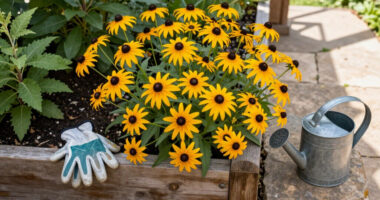
An Ideal Home gardening report recommends deadheading five plants in October: cosmos, zinnias, dahlias, repeat-flowering roses and calendula. Removing fading flowers may encourage another flush while plants are still actively blooming and conditions remain mild, but it cannot prevent frost from ending flowering.
Ideal Home’s October gardening guide recommends deadheading cosmos, zinnias, dahlias, repeat-flowering roses and calendula to encourage further flowers while autumn conditions remain mild. The advice matters to gardeners hoping to extend seasonal displays, but it is not a guarantee: flowering depends on the plants still being active and will end when frost affects tender plants.
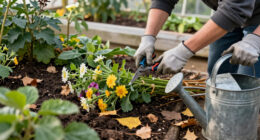
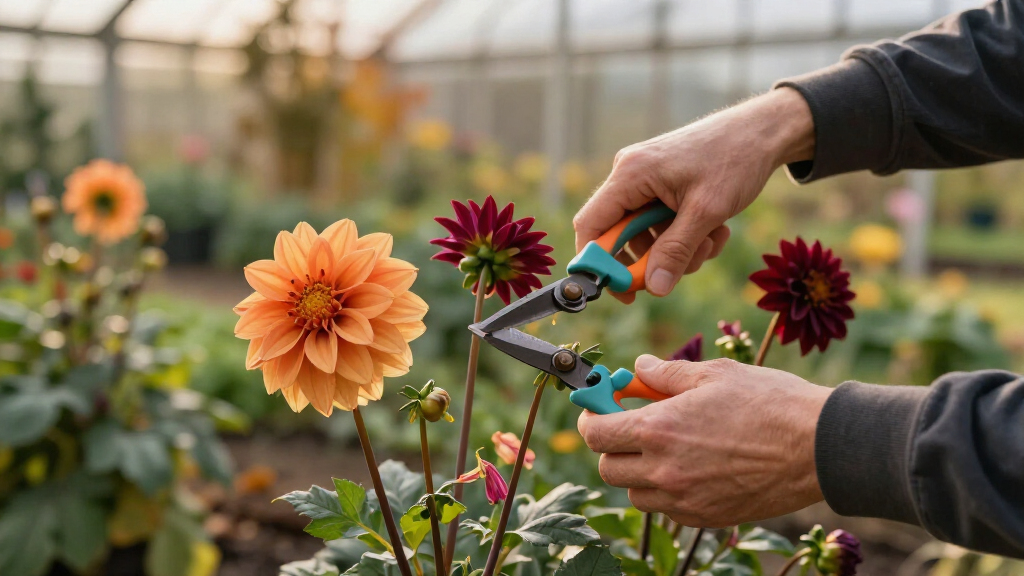
Deadheading means removing faded or spent flower heads. The guide says this can help some plants direct energy toward further flowers rather than seed production. Its practical timing advice is to remove blooms once they have faded; for calendula, it says to act when petals begin to fade and curl. Gardeners can do this by hand or with suitable snips or secateurs, depending on the stems.
Cosmos and zinnias are described as cut-and-come-again flowers. Jane Westoby, creative director at The Hampshire Seed Company, says cosmos may continue flowering if spent blooms are removed and the weather stays mild. She adds that leaving spent zinnia flowers on the plant directs energy toward making seed. The guide says the same general approach can apply to dahlias that are still actively blooming.
The other recommendations are repeat-flowering roses, which may produce another flush after fading flowers are removed, and calendula, a self-seeding annual. Deadheading calendula can limit its spread by reducing the flowers left to form seed, according to the report. Westoby cautions that once frost finishes tender annuals, removing spent blooms will not bring them back into flower.
How Deadheading Can Extend Autumn Color
For gardeners with flowers still in bloom, removing spent heads is a small maintenance task that may help prolong the display before colder weather arrives. The effect is most relevant for plants capable of producing further flowers, rather than those that have stopped growing or have been damaged by frost. It also gives gardeners a choice: deadhead calendula to reduce self-seeding, or leave some flowers to form seed if they want it to spread.
The advice is seasonal, not a promise of a set number of extra blooms. Mild weather and active flowering are key conditions in the report, and local temperatures can vary. Gardeners should treat deadheading as a way to support possible further flowering, not as a way to override the end of the growing season.
As an affiliate, we earn on qualifying purchases.
The Five Plants in the October Guide
The recommendations come from an Ideal Home article titled “5 plants to deadhead in October for extra blooms this autumn.” It focuses on plants that can still flower in autumn and frames deadheading as a way to keep displays going until temperatures fall. The source names advice from Jane Westoby and horticulturist Ross Dyke, a consultant horticulturist at Hornby George and host of the Plant Pod.
Dyke says dahlias are one example where removing spent flowers can be worthwhile while the plants are still actively blooming. Westoby gives the weather caveat for cosmos and notes that frost ends flowering for tender annuals. The article also recommends using clean, sharp cutting tools where needed and cleaning tools between plants. It does not provide a detailed pruning method for each plant, so gardeners should avoid cutting into stems or growth they intend to keep.
“They’re cut-and-come-again flowers: the more you pick for the vase or remove fading blooms, the more they’ll keep flowering, provided the weather stays mild.”
— Jane Westoby, creative director at The Hampshire Seed Company
As an affiliate, we earn on qualifying purchases.
Weather Sets the Limits on Blooms
The guide does not state how many additional blooms gardeners should expect or how long flowering will continue. Results depend on local weather, plant health and whether each specimen is still actively growing. It also does not specify a single cutting point or technique for all five plants; the appropriate cut can differ by plant and stem. The source’s central limit is clear: frost can end flowering, and deadheading cannot reverse that for tender annuals.
As an affiliate, we earn on qualifying purchases.
What Gardeners Can Do This October
Gardeners can check the five plants for fading flowers and remove them where appropriate, taking care to use clean, sharp tools and to avoid cutting healthy growth unnecessarily. Continue to watch conditions rather than assuming flowers will persist through colder weather. If frost has already stopped a tender annual from flowering, the guide says deadheading will not restart its bloom; any further display will depend on the plant and weather.
repeat-flowering roses pruning kit
As an affiliate, we earn on qualifying purchases.
As an affiliate, we earn on qualifying purchases.
Key Questions
Which plants does the October guide recommend deadheading?
It names cosmos, zinnias, dahlias, repeat-flowering roses and calendula.
When should I remove a calendula flower?
The report recommends deadheading calendula when its petals begin to fade and curl.
Will deadheading make flowers continue after frost?
No. The source says that once frost finishes tender annuals, deadheading will not bring them back into flower.
Why deadhead zinnias?
Jane Westoby says spent zinnia flowers left on the plant put energy into making seed, while removing them may support further flowering if conditions allow.
Do I need special tools?
The article says smaller stems can be handled with garden snips and mentions bypass secateurs for cutting. It also advises gardeners to use clean tools and clean them between plants.
Source: rss
Fall yard work Picks
leaf blowers
As an affiliate, we earn on qualifying purchases.