TL;DR

Get garden gear delivered free with Prime
- Fast, free delivery on millions of items
- Prime Video, Amazon Music and more included
- Member-only deals all year
A report in Amateur Gardening outlines seven free ways to support garden soil: disturb it less, keep roots in the ground, sow green manures and apply available organic materials as mulch. The methods are gardening recommendations, not a guarantee of particular crop yields or nutritional benefits.
Amateur Gardening has published seven free ways to help protect and improve garden soil, with editor and resilient-gardening expert Kim Stoddart recommending less digging, keeping roots in the ground, growing green manures and using available organic materials as mulch. The advice focuses on autumn soil care and aims to help gardens retain structure and fertility through wet or extreme weather.
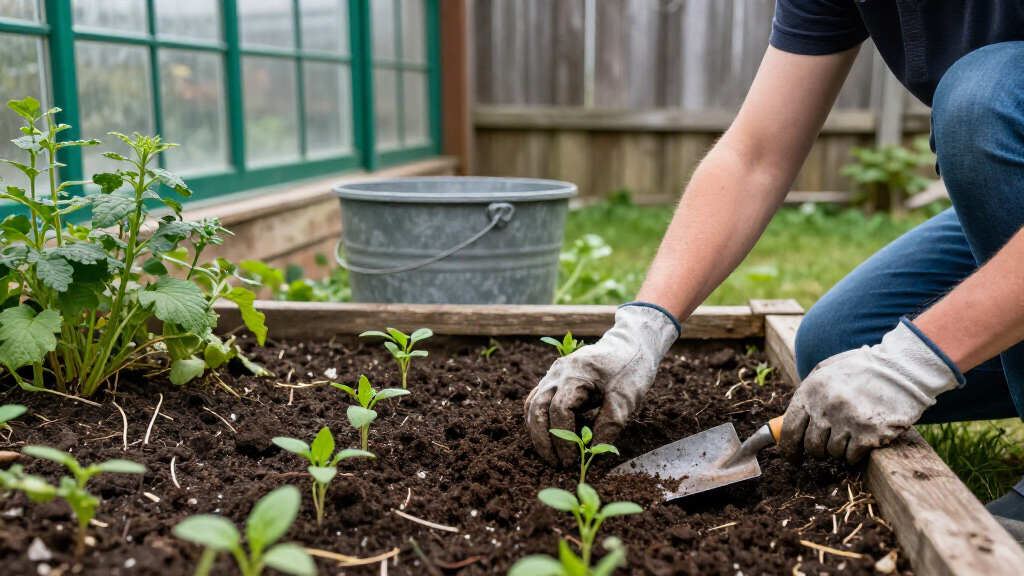
The first recommendations focus on keeping soil covered and stable. Stoddart advises using no-dig methods to limit disturbance and leaving plant stems and roots in the ground after harvesting where practical. She says roots can help bind soil, while decomposing plant material provides cover and habitat for invertebrates. Peas and beans can also contribute nitrogen to the soil, according to the report.
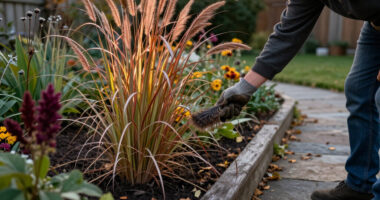
For bare ground, the report suggests allowing non-invasive weeds to grow, applying mulch or sowing green manure crops. Suggested plants include field beans and phacelia; the article also names poached egg plant. It recommends lightly raking the surface before sowing, covering seed with a thin layer of peat-free multipurpose compost and watering if needed. Phacelia should be cut back before it sets seed, the report says.
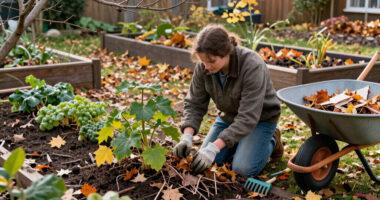
The four mulch options are homemade compost, fallen leaves, grass clippings and other locally available material, including chopped foliage, cardboard, sheep wool dags or seaweed. The article advises spreading grass clippings in a thin layer and says leaves can be held down with cardboard and bricks when windy weather is expected. These approaches reuse garden materials rather than requiring purchased soil products.
Keeping Soil Covered Through Autumn
The recommendations matter to gardeners facing heavier rain or more variable weather because they aim to protect soil structure and reduce the loss of fertility. Stoddart argues that undisturbed, covered ground is better able to absorb and cope with rain than freshly dug soil, from which nutrients may wash away. That is the report’s gardening rationale, not a quantified forecast of how much soil or fertility a particular method will save.
Using materials already available in the garden can also reduce the need to buy mulch or soil improvers. The article connects soil care with potential crop quality, but it does not provide a measurement of crop nutrition or evidence that any one of these methods will produce a specific health benefit.
As an affiliate, we earn on qualifying purchases.
The Report’s No-Dig Approach
The article frames healthy soil as a living system containing organisms that support plant growth. It recommends protecting that system by minimizing disturbance and feeding it with organic material. Its focus is practical autumn work: covering bare ground, using the season’s fallen leaves and preparing beds for winter.
Stoddart also describes leaving seed heads and plant remains in place where possible, noting their potential value as food for birds and shelter for invertebrates. The report presents these steps as options for gardeners, rather than as a requirement to leave every bed untouched or to use every suggested material.
“Disturb the soil as little as possible”
— Kim Stoddart, editor and resilient-gardening expert, in Amateur Gardening
As an affiliate, we earn on qualifying purchases.
Limits of the Gardening Claims
The report offers practical guidance but does not provide trial data comparing these seven methods, quantify their effects on soil erosion or fertility, or specify how results vary by soil type and climate. Its suggestions about resilience are presented as gardening advice, not as guaranteed outcomes.
The article also says research is being carried out into nutrient density and suggests organic, no-dig and mulching methods may yield crops with improved nutritional value. It does not cite a particular study or establish that the methods in this list increase the nutritional value of homegrown produce. The source does not state its publication date, so the precise timing of the report cannot be confirmed.
green manure seeds for autumn planting
As an affiliate, we earn on qualifying purchases.
As an affiliate, we earn on qualifying purchases.
Autumn Tasks for Gardeners
Gardeners following the report can start by covering bare beds, sowing a suitable green manure or spreading a thin layer of available compost, leaves or grass clippings. Stoddart advises securing loose leaves if wind is forecast and cutting phacelia before it sets seed. The report does not announce a follow-up study or a scheduled next development; its immediate next steps are seasonal gardening tasks.
As an affiliate, we earn on qualifying purchases.
Key Questions
What are the seven free soil-care methods?
The report recommends disturbing soil less, leaving roots in place, sowing green manures and using four groups of mulch: homemade compost, leaves, grass clippings and other available materials such as cardboard or chopped foliage.
Which plants does the report suggest for green manure?
It names field beans, phacelia and poached egg plant. The report says to cut phacelia back before it sets seed.
How should gardeners use fallen leaves as mulch?
The report suggests spreading leaves directly over beds to protect the soil. It says the leaves may not fully break down by spring and recommends securing them with cardboard and bricks if windy weather is expected.
Does the article prove these methods improve crop nutrition?
No. It refers to ongoing research into nutrient density and says these methods may improve crop quality, but it does not cite a specific study or establish a measured nutritional benefit.
Source: rss
Halloween Picks
halloween
As an affiliate, we earn on qualifying purchases.