TL;DR

Get garden gear delivered free with Prime
- Fast, free delivery on millions of items
- Prime Video, Amazon Music and more included
- Member-only deals all year
An article from Country Living describes six birds commonly seen in U.S. yards during winter: goldfinches, cardinals, woodpeckers, nuthatches, sparrows and hawks. It recommends reliable food, native plants and sheltered cover, and points readers to the Audubon Christmas Bird Count, scheduled December 14 to January 5.
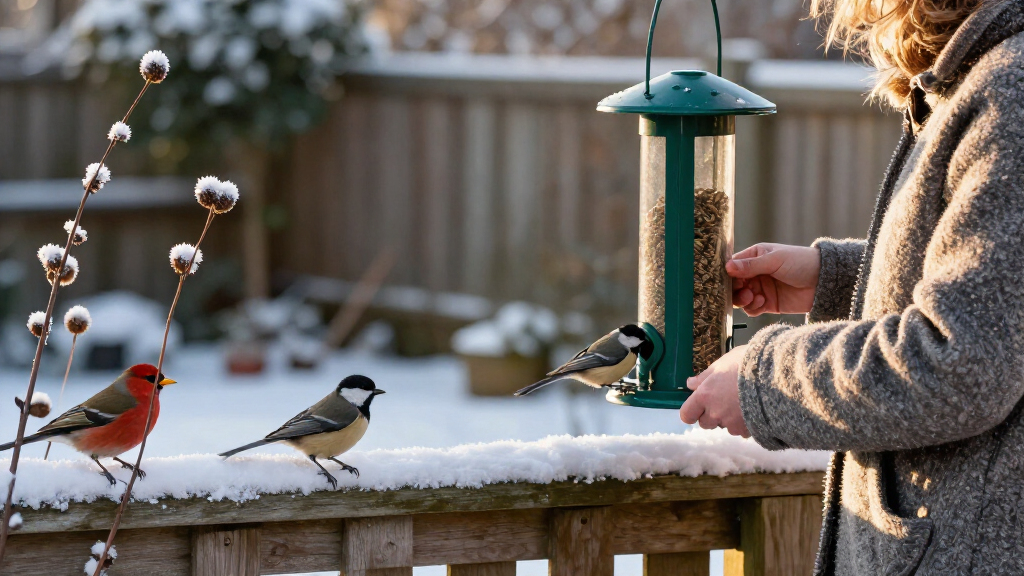
Country Living has published a winter bird guide naming six species commonly seen around U.S. homes—goldfinches, cardinals, woodpeckers, nuthatches, sparrows and hawks—and offering ways to support birds through the cold months. The guidance, which includes advice from Benjamin Haywood, the National Audubon Society’s director of community science, emphasizes dependable food and sheltered habitat; it also highlights the annual Audubon Christmas Bird Count.
The six birds vary in how they use a yard. Woodpeckers search trees and other wood for insects, while small nuthatches are recognizable in part by their habit of moving headfirst down tree trunks. Sparrows are widespread, but which species appears depends on location. Hawks may be seen circling overhead rather than visiting feeders; the report lists red-tailed, sharp-shinned, rough-legged and Cooper’s hawks among those commonly spotted in winter.
Some birds look different once winter arrives. Haywood says American Goldfinches molt from bright yellow breeding plumage into more subdued olive-brown feathers. Cardinals change less dramatically, though feather wear and lighting can affect their appearance. The report describes male cardinals as bright red and females as rosy brown.
For support, Haywood recommends keeping feeders stocked with high-energy options such as suet, black oil sunflower seeds and nyjer, as described in these ways to feed garden birds safely. He also points to natural food from berry-producing shrubs and seed-bearing plants, and to brush piles and evergreen cover as shelter from wind and predators. The article notes that regional bird sightings vary; not every species will be present in every yard.
Food and Cover Through Winter
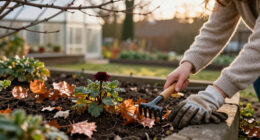
Winter can limit access to food and expose birds to cold and predators. Providing suitable food and cover gives people practical ways to make yards more hospitable, while native, seed-bearing and berry-producing plants can contribute natural food beyond feeder offerings. Haywood says these resources matter when temperatures drop and food is scarce.
There is also a community-science dimension. The Christmas Bird Count invites participants to record birds with local teams, contributing observations to a long-running dataset. Those records can help researchers track population trends, according to Haywood, though an individual backyard sighting by itself does not establish a broader change in bird numbers.
Products Worth Considering
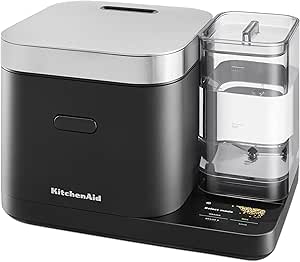
KitchenAid 8-Cup Grain and Rice Cooker with Integrated Scale, Black Matte

Jura E6 Automatic Espresso Machine, Piano Black (15622)

Vitamix Propel Series 750 Professional-Grade Blender, 4 Programs, Black
As an affiliate, we earn on qualifying purchases.
Seasonal Changes in Backyard Birds
The Country Living report presents the list as a guide to birds people may encounter, not a guarantee that all six will appear in a particular yard. Local climate, habitat and geography shape which species are present. Hawks, for example, are more often seen overhead than at a feeder, while smaller birds may be noticed around trees, shrubs and feeding stations.
The report also connects winter birdwatching with the Audubon Christmas Bird Count, which it says runs annually from December 14 through January 5. Haywood describes the count as having more than 125 years of data and says participants can join local teams, including beginners. The source does not give a specific year for the dates, so readers should check local count information for current arrangements.
“Fall and early winter provide an ideal time to consider adding more native plants to your backyard or community.”
— Benjamin Haywood, as quoted by Country Living
Local Sightings Vary by Region
The report does not establish that each listed species stays all winter in every location, nor does it give a regional distribution map or counts for particular populations. Which sparrows and other birds appear will depend on where a person lives and the habitat nearby. The article also does not provide measured results showing how much any one feeder or planting increases survival or bird numbers.
Its Christmas Bird Count dates are given without a year, and the source does not identify local count locations or registration details. People interested in taking part should confirm dates and arrangements with a nearby count organizer.
Prepare Yards and Join Counts
Readers can put the recommendations into practice by maintaining suitable feeder food, preserving or adding native plants that produce seeds or berries, and providing sheltered cover. Bird sightings can be noted throughout the season, with care not to assume a single observation reflects a population trend.
The next participation opportunity mentioned in the report is the Audubon Christmas Bird Count, scheduled from December 14 to January 5. Interested readers can look for a local team and check its instructions before attending; the source does not specify a current-year schedule or sign-up process.
Key Questions
Which six birds does the winter guide identify?
It lists American Goldfinches, cardinals, woodpeckers, nuthatches, sparrows and hawks. The species people see depend on their location and surrounding habitat.
What foods does the report recommend for winter feeders?
Haywood recommends high-energy foods including suet, black oil sunflower seeds and nyjer. The report also encourages supporting natural food sources such as berry-producing shrubs and seed-bearing plants.
How can a yard offer birds shelter?
The article points to brush piles and evergreen cover as protection from wind and predators. It does not specify dimensions or a single setup that suits every yard.
When is the Audubon Christmas Bird Count?
The source gives the annual count window as December 14 to January 5, but does not state a year. Check with a local count organizer for current dates and participation instructions.
Source: countryliving.com