TL;DR

Get garden gear delivered free — and shop member deals
- Fast, free delivery on millions of items
- Access to Prime Big Deal Days deals on October 6–7
- Prime Video, Amazon Music and more included
A guide published by Amateur Gardening outlines seven ways to support garden birds in winter, including seasonal feeding, cleaning feeders weekly and keeping water fresh. It also recommends leaving seed heads and planting berry-producing shrubs to provide food and habitat. The guidance warns that feeders can help spread disease if birds gather in contaminated areas.
Amateur Gardening has published seven recommendations for feeding garden birds safely through winter, including cleaning feeders weekly, providing fresh water and leaving seed heads for birds to eat. The advice comes amid concerns about trichomonosis, a contagious disease that can spread where birds gather, including at feeders, according to the article’s account of guidance from the RSPB.
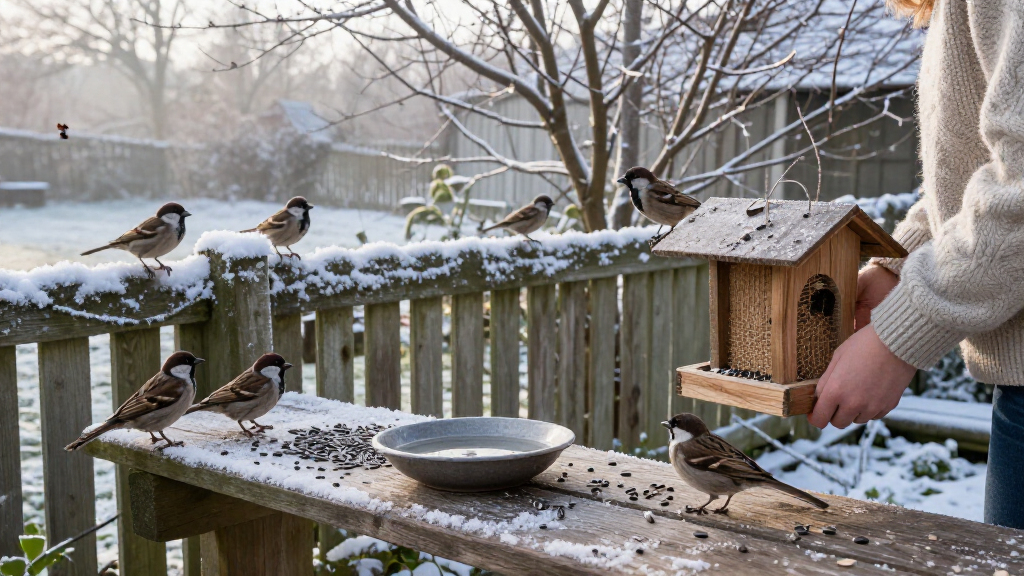
The guide recommends that people in the UK feed birds seasonally: pause feeder feeding from May 1 through October 31, when natural food such as seeds and insects is more available, and resume from November 1 through April 30. Suggested winter foods include birdseed, peanuts, fat and suet balls. The article says food should be offered in amounts birds can eat within one or two days, and kept dry.
To reduce contamination, the guide advises hanging feeders rather than putting food on flat surfaces, cleaning feeders weekly with warm soapy water and a non-toxic disinfectant, and moving feeders to a different place in the garden each week. It also advises avoiding locations beneath trees or near bird roosts, where droppings may contaminate food.
Other recommendations cover water and garden planting. The article says bird baths should be cleaned and refilled daily with tap water. It suggests changing fat and suet balls every seven days and removing mealworms before dusk, particularly when they have been scattered on the ground; the article says they may be harmful to hedgehogs. In the garden, it recommends leaving flower seed heads and planting species that provide seeds, berries, insects or shelter.
Reducing Disease Risk at Feeders
Feeding can supplement birds’ food during colder months, but a concentrated feeding spot can also bring birds into contact with contaminated food, water or surfaces. The guide’s focus is therefore not simply on what to put out, but on how often to clean and replace it and how to avoid creating unhygienic gathering places.
The article cites trichomonosis as a concern for some garden birds and reports that greenfinch numbers have fallen by more than 65% over three decades. It also says greenfinches moved from seventh place in the RSPB’s Big Garden Birdwatch ranking in 1979 to 18th in the year referenced by the article. Those figures are presented in the source report; they do not establish that feeder practices alone caused the decline.
Habitat matters alongside supplementary food. Seed-bearing flowers, berry-producing shrubs and areas of cover can give birds food and shelter without relying only on feeders. That approach may also benefit insects, which provide food for birds and their chicks.
winter bird feeder with cleaning brush
As an affiliate, we earn on qualifying purchases.
As an affiliate, we earn on qualifying purchases.
Seasonal Feeding and Garden Habitat
The article frames its advice around the RSPB’s recommendation to feed seasonally and safely. Its suggested calendar is specific: pause feeder feeding between May 1 and October 31, then offer food from November 1 through April 30. It says natural food is more available during the warmer months, while winter is a time when supplementary food can be provided.
For longer-term support, the report names sunflowers, coneflowers, teasel and black-eyed Susan as plants whose seed heads can feed birds. It also points to hawthorn and rowan berries as food for species including thrushes and blackbirds, and says holly can provide cover as well as berries. The central message is to avoid clearing every spent flower and seed head at the end of summer.
The source also cites a Market Wide Research estimate that the UK bird-feeder market was valued at $112.5 million in 2026 and projected to reach $171.56 million by 2035. That market forecast is separate from the practical bird-care advice and does not measure whether feeding improves bird populations.
““feed seasonally” and “feed safely””
— The RSPB, as cited by Amateur Gardening
As an affiliate, we earn on qualifying purchases.
What the Guidance Does Not Establish
The article does not provide a date for its publication or identify the specific year behind its reference to this year’s Big Garden Birdwatch ranking. It also does not supply links to underlying RSPB data on trichomonosis or greenfinch trends, so those claims should be understood as figures reported by Amateur Gardening rather than independently verified here.
The advice does not quantify how much feeder cleaning or moving reduces disease transmission, nor does it show that the recommended steps can prevent infection. The source also does not explain the evidence behind its warning about mealworms and hedgehogs. Readers should treat these points as guidance attributed to the report, not as a guarantee of outcomes.
seed and berry producing shrubs for birds
As an affiliate, we earn on qualifying purchases.
As an affiliate, we earn on qualifying purchases.
Putting the Winter Advice Into Practice
As the winter feeding period approaches, the report’s practical steps are to set up hanging feeders, provide modest amounts of dry food, and create a routine for weekly feeder cleaning and daily bird-bath changes. Households can also leave suitable seed heads and check that berry-producing plants offer food or cover.
The article does not announce a new policy or scheduled follow-up. Its guidance is intended for gardeners to apply through the winter period, while the wider status of bird disease and population trends would need to be checked against current information from conservation organisations.
hanging bird feeder with weatherproof design
As an affiliate, we earn on qualifying purchases.
As an affiliate, we earn on qualifying purchases.
Key Questions
When does the guide recommend feeding garden birds?
It recommends feeder feeding from November 1 to April 30, with a pause from May 1 to October 31 when natural food is more available.
How often should bird feeders be cleaned?
The article recommends cleaning feeders weekly with warm soapy water and a non-toxic disinfectant. It also advises moving feeders to a different garden spot each week.
What foods does the article suggest for winter?
It lists birdseed, peanuts, fat and suet balls. The guide says to offer quantities that are eaten within one or two days and to keep food dry.
How can a garden provide food without feeders?
Leave some seed heads standing and consider plants that provide seeds, berries or insects. The article names sunflowers, teasel, hawthorn and rowan among its examples.
How should bird-bath water be maintained?
The guide says to clean the bird bath and change its water every day, using tap water.
Source: rss
Fall yard work Picks
leaf blowers
As an affiliate, we earn on qualifying purchases.