TL;DR
Country Living’s fall gardening report describes how to propagate seven plants from cuttings: rosemary, lavender, geraniums and fuchsia in a growing mix, and basil, mint and coleus in water. The method and success depend on the plant; the report gives no success rates or cost estimates.
Country Living has outlined fall propagation methods for seven garden plants, giving gardeners a way to try to grow new plants from stems they trim before winter. The report recommends rooting rosemary, lavender, geraniums and fuchsia in a growing mix, while basil, mint and coleus can be started in water; the new plants can be moved outdoors after frost danger has passed.

Get garden gear delivered free with Prime
- Fast, free delivery on millions of items
- Prime Video, Amazon Music and more included
- Member-only deals all year
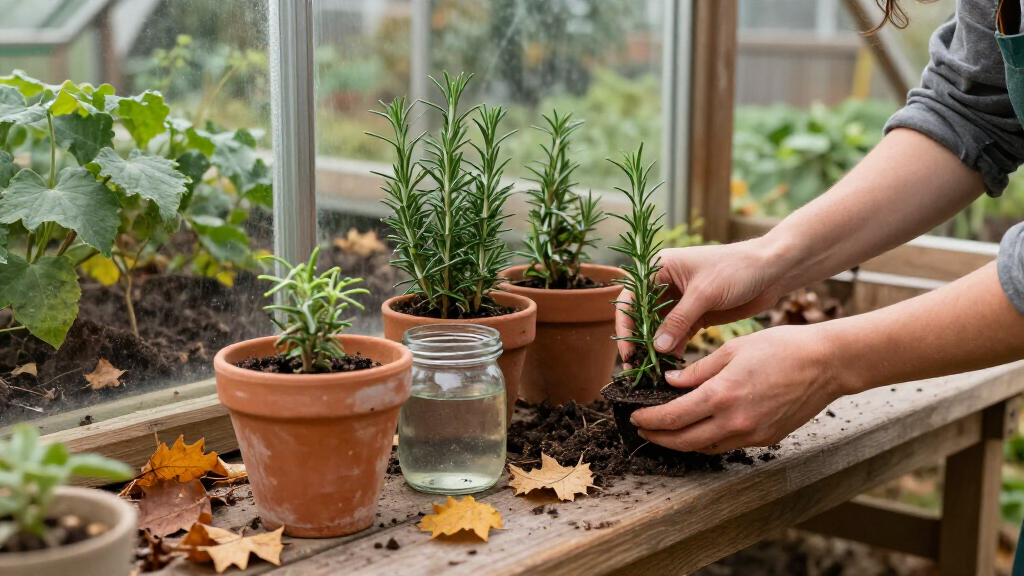
For woody or semi-woody stems, the report advises taking 3- to 5-inch cuttings from nonflowering stems, removing lower leaves and most upper foliage, then coating the cut end with rooting hormone. Insert the stems into holes in a pot filled with a sharply draining growing mix. Country Living says a mix can be made with 80 percent perlite and 20 percent other material, such as sand or compost, and cautions against dense potting soil for this step.
Water the cuttings and cover the pot with a clear cover or plastic bag to retain moisture. After about a week, remove the cover and continue watering consistently. The report says to check after a few weeks for gentle resistance when stems are tugged, which may indicate roots have formed. Keep pots in a sheltered place outdoors, bring them inside if temperatures fall below freezing, and plant in spring once frost danger has passed. In colder climates, keep them indoors in bright, indirect light.
For soft-stemmed basil, mint and coleus, place stems in a jar of water after removing any leaves that would sit below the waterline. Once roots are sufficient, transfer the cuttings to containers of potting mix, keep the soil consistently moist and set them near a bright window or in a sunroom. The report identifies basil as a fast-rooting option that can be grown indoors over winter; it gives no specific timeline for when roots are sufficient.
Stretching Fall Prunings Into New Plants
Propagating cuttings offers gardeners a way to try to keep favorite plants going and add plants without buying established replacements. The advice may be useful as beds and containers are cut back for winter, since some stems that would otherwise be discarded can be used to start plants for a later season.
The results are not guaranteed: rooting depends on the plant and growing conditions, and the report does not provide a success rate, cost comparison or estimate of how many cuttings will survive. It presents the approach as a practical gardening option, rather than evidence that every cutting will produce a healthy plant.
Products Worth Considering

Ninja NeverDull Pro 11-Piece Knife Set with Removable Sharpener, Nautical Navy

Cuisinart TOA-112 15-in-1 Extra-Large Digital Toaster Oven Air Fryer

De'Longhi Magnifica Evo Automatic Espresso Machine with Milk Frother, Silver
As an affiliate, we earn on qualifying purchases.
Two Methods for Different Stems
The report divides the plants by stem type and rooting method. Woody and semi-woody plants are started in a draining medium with rooting hormone, while soft-stemmed plants are placed in water before being potted. Its seven examples are rosemary, lavender, geraniums, fuchsia, basil, mint and coleus.
Timing matters for moving rooted cuttings outdoors. Country Living recommends waiting until the threat of frost has passed before planting them outside. For cuttings kept through colder weather, its guidance calls for shelter from freezing temperatures or indoor placement with bright, indirect light.
“The garden may be winding down, but now’s the time to think about taking cuttings.”
— Master Gardener Rhonda Fleming Hayes, author of Garden for Life and The Garden Buzz, as quoted by Country Living
Rooting Results Vary by Conditions
The report does not state how many cuttings typically root, how long each of the seven plants takes to establish, or which varieties are most reliable. It also does not give a precise root-length threshold for moving water-started cuttings into potting mix, instead advising gardeners to wait until they have sufficient roots.
Local climate and growing conditions may affect whether cuttings survive winter. The guidance gives general advice about shelter, indoor light and frost, but does not assess specific regional conditions or promise that propagated plants will match the parent in every respect.
Pot Up Roots After Frost Risk
Gardeners following the report’s method can monitor soil-grown stems for resistance and water-grown stems for root growth, then pot water-rooted cuttings in moist potting mix. Keep the plants sheltered during cold weather; move them outdoors after frost danger has passed, following the report’s spring planting advice.
Whether individual cuttings establish successfully will become clear as they root and grow. Country Living offers care steps but does not report results from a trial or set a date for when any particular cutting will be ready.
Key Questions
Which plants does the report recommend taking fall cuttings from?
It lists rosemary, lavender, geraniums, fuchsia, basil, mint and coleus.
Which cuttings should be rooted in water?
The report recommends water for the soft-stemmed plants basil, mint and coleus. Remove leaves that would be below the waterline, then pot the cuttings after they develop sufficient roots.
What do rosemary, lavender, geranium and fuchsia cuttings need?
Country Living advises using 3- to 5-inch nonflowering stems, rooting hormone and a sharply draining growing mix. Cover the pot briefly to hold moisture, then uncover it after about a week.
When can rooted cuttings be planted outside?
The report says to plant them outdoors in spring after the threat of frost has passed. In colder conditions, keep soil-rooted cuttings inside in bright, indirect light or shelter them from freezing temperatures.
Source: rss