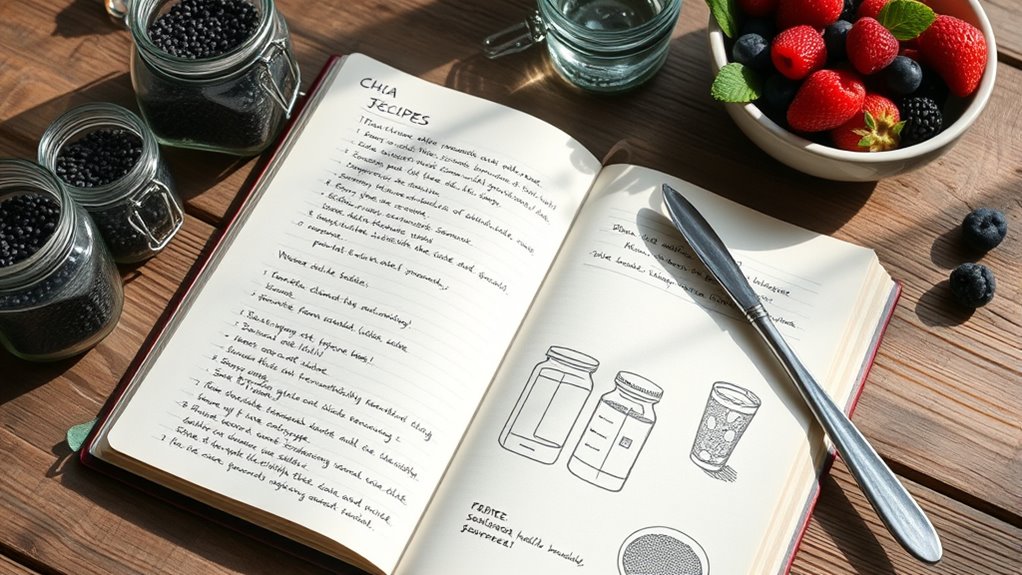
To start a chia seed journal, first choose a notebook or app to record your intake. Track different recipes like smoothies, oatmeal, or baked goods, noting quantities and timing. Observe how your body responds, such as improved digestion or energy boosts. Store your seeds properly and note any changes in freshness or flavor. Consistent tracking helps you understand how chia affects your health and which methods work best. Keep going to reveal even more benefits.
Key Takeaways
- Record daily chia seed recipes, including ingredients, quantities, and preparation methods for better tracking.
- Note personal effects such as energy levels, digestion, and skin changes after consuming chia seeds.
- Use consistent entry formats to identify which recipes or storage methods yield optimal benefits.
- Store chia seeds properly in airtight containers in a cool, dark place to maintain freshness and nutrient quality.
- Review your journal regularly to adjust intake and maximize health benefits based on observed effects.
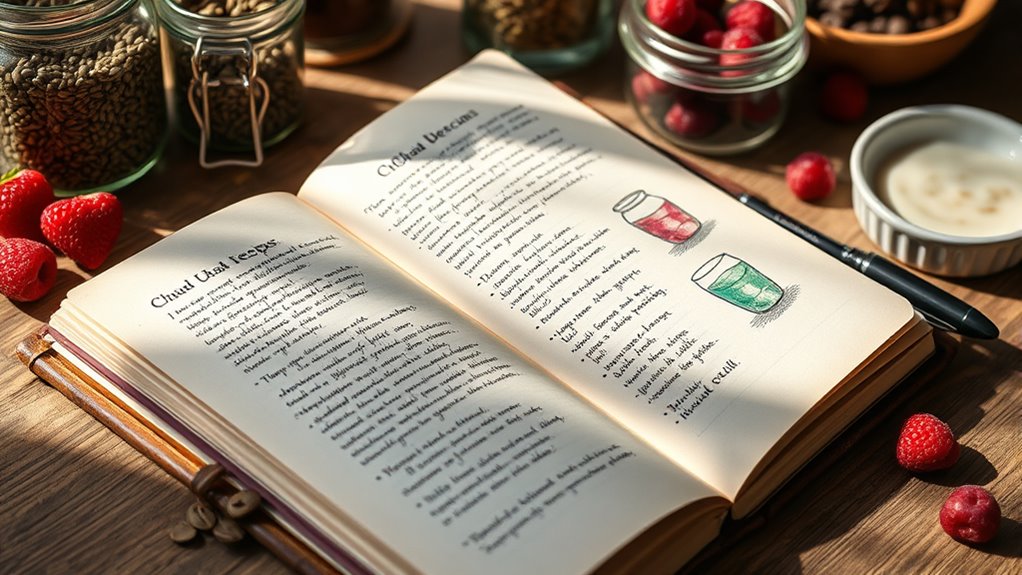
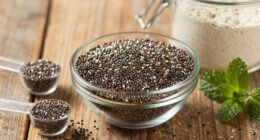
Keeping a chia seed journal is a simple and effective way to track your health progress and discover how this tiny superfood works for you. As you start recording your daily intake, you’ll notice the beneficial nutrients packed into each spoonful—fiber, omega-3 fatty acids, protein, antioxidants, and essential minerals like calcium and magnesium. These nutrients play a crucial role in supporting your overall health, from improving digestion to boosting your energy levels. When you document your experiences, you can see firsthand how incorporating chia seeds into your diet makes a difference for your body, whether it’s increased satiety or clearer skin.
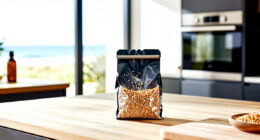
To get the most out of your chia seed journal, it’s important to understand proper storage tips. Chia seeds are best kept in an airtight container in a cool, dark place like your pantry. This prevents exposure to light and moisture, which can cause them to spoil or lose their beneficial nutrients. If you buy in bulk, consider dividing your seeds into smaller containers to maintain freshness and make it easier to grab a portion when needed. When storing ground chia or chia gel, use airtight jars in the refrigerator to prevent spoilage and ensure the nutrients stay intact. Proper storage not only preserves the quality of your chia seeds but also enhances their health benefits when you consume them.
As you log your recipes, you’ll begin to notice which preparations suit your taste and lifestyle best. Whether you add chia seeds to smoothies, oatmeal, yogurt, or baked goods, keeping a record allows you to experiment and find your favorites. Note the quantity used, the timing, and how you feel afterward—more energy, better digestion, or other effects. Over time, patterns will emerge, helping you optimize your intake for maximum benefits. You might also record how different storage methods impact freshness or flavor, guiding you to keep your chia seeds at their peak.
Consistency is key in seeing real results, so make your journal a daily habit. It’s not just about tracking recipes; it’s about understanding your body’s responses and tailoring your chia seed consumption accordingly. By paying close attention to your notes, you’ll gain valuable insights into how this tiny superfood supports your health journey. Ultimately, maintaining a chia seed journal empowers you to make informed decisions, ensuring you enjoy the full spectrum of benefits that these nutrient-dense seeds have to offer.

16oz Airtight Glass Chia Seed Storage Container with Spoons, 3-Pack
- Capacity: 16 oz per container
- Package Includes: 3 glass canisters with spoons
- Material: Glass with wooden stand
As an affiliate, we earn on qualifying purchases.
As an affiliate, we earn on qualifying purchases.
Frequently Asked Questions
How Long Does It Take to See Health Benefits From Chia Seeds?
You can typically see health improvements from chia seeds within a few weeks, depending on your absorption timeline. As your body digests and absorbs the nutrients, you might notice increased energy, better digestion, or improved hydration. Consistent intake is key, so keep track of your progress and stay patient. Usually, regular consumption over 2-4 weeks helps you experience the positive effects and overall health benefits from chia seeds.
Can Chia Seeds Cause Any Adverse Reactions?
Chia seeds can cause adverse reactions if you’re allergic or sensitive. You might experience allergic reactions like itching, swelling, or difficulty breathing, especially if you’re allergic to similar seeds. Gastrointestinal issues such as bloating, gas, or constipation can also occur if you consume too many or don’t hydrate them properly. To stay safe, start with small amounts, drink plenty of water, and watch for any adverse symptoms.
What’s the Best Way to Store Chia Seeds Long-Term?
You want your chia seeds to stay fresh, so store them in an airtight container in a cool, dark place. Proper storage tips help extend their shelf life and prevent spoilage. Avoid sunlight and moisture, which can degrade quality. If stored correctly, chia seeds can last up to two years. Always check for any off smells or discoloration before use, ensuring you’re getting the best benefits from your seeds.
Are There Any Dietary Restrictions for Chia Seed Consumption?
Yes, there are some dietary restrictions to contemplate. If you have allergy concerns, be cautious, as chia seeds can trigger allergic reactions in sensitive individuals. Vegans should feel comfortable consuming chia seeds, as they’re plant-based and free from animal products. However, if you’re on blood thinners or have certain health conditions, consult your doctor before adding large amounts of chia seeds to your diet.
How Do I Incorporate Chia Seeds Into a Gluten-Free Diet?
Think of chia seeds as tiny superheroes ready to elevate your gluten-free baking. You can easily incorporate them by using seed substitution in recipes like muffins or bread. Mix chia seeds with water to make a gel, then replace eggs or add texture. This not only boosts nutrition but also helps bind ingredients. With a little creativity, chia seeds become your secret weapon in creating delicious, gluten-free treats.
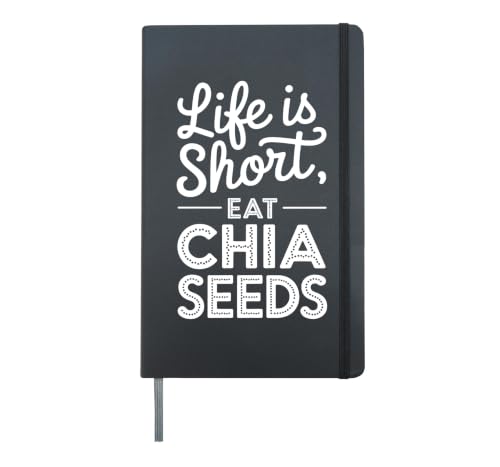
Life Is Short Eat Chia Seeds Hardcover Journal, Black
- Inspirational Cover Design: Life Is Short Eat Chia Seeds
- Durable Hardcover: 240 line-ruled pages (120 sheets)
- Convenient Closure: Built-in elastic closure and ribbon bookmark
As an affiliate, we earn on qualifying purchases.
As an affiliate, we earn on qualifying purchases.
Conclusion
By starting a chia seed journal, you’re taking control of your health journey and discovering what works best for you. Tracking your recipes and effects helps you stay motivated and informed along the way. Imagine flipping through your journal someday, seeing your progress and delicious creations—doesn’t that make you enthusiastic to begin? With each entry, you’re building a personalized story of wellness that’s uniquely yours. Are you ready to start your chia seed adventure today?

Artcochan Overnight Oats Containers with Lids 16 oz Glass Jars 6 Pack Glass Mason Jars with Airtight Lids, Perfect for Oats, Yogurt, Chia Pudding, Snack
- Premium Quality Glass: Lead and BPA-free 16 oz jars
- Airtight Seal: Keeps food fresh and prevents leaks
- Stackable Design: Recessed top for space-saving storage
As an affiliate, we earn on qualifying purchases.
As an affiliate, we earn on qualifying purchases.

Coffee Scoops/Tablespoon Plastic Measuring Spoons (10-Pack); Ideal for Kitchen & Pantry Storage
- Pack Size: 10 measuring scoops per pack
- Versatile Use: Suitable for kitchen, pantry, and more
- Multi-Purpose: Ideal for baking, spices, and household tasks
As an affiliate, we earn on qualifying purchases.
As an affiliate, we earn on qualifying purchases.