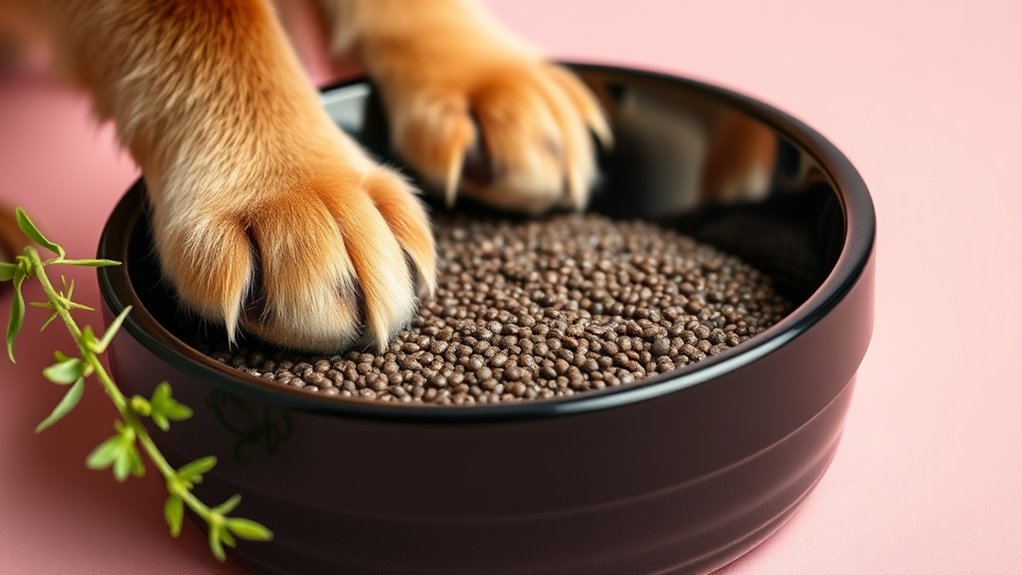

Chia seeds can be safe for your pets when prepared properly and given in moderation. They are rich in Omega-3s, fiber, and essential minerals, which may benefit your pet’s skin, coat, and digestion. However, avoid feeding large amounts or unsoaked seeds, as they can cause choking or upset stomach. Proper introduction and careful monitoring are key, and consulting your veterinarian guarantees you’re offering the right amount. Discover more tips to keep your pet healthy.

Get garden gear delivered free — and shop member deals
- Fast, free delivery on millions of items
- Access to Prime Big Deal Days deals on October 6–7
- Prime Video, Amazon Music and more included
Key Takeaways
- Chia seeds offer nutritional benefits like omega-3s and fiber but should be introduced gradually and in moderation.
- Proper preparation (soaking or grinding) reduces choking risks and aids digestion for pets.
- Excessive or rapid feeding can cause gastrointestinal issues and weight gain; portion control is essential.
- Allergic reactions are rare but possible; monitor your pet for any adverse symptoms after introducing chia seeds.
- Consult a veterinarian before adding chia seeds to your pet’s diet to ensure safety and appropriate quantities.
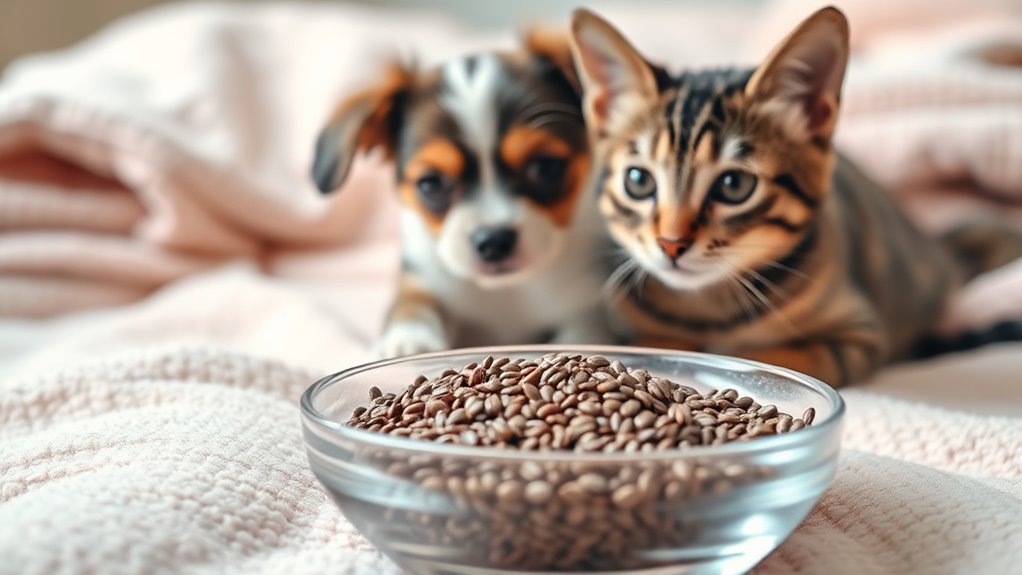
In recent years, chia seeds have gained popularity as a nutritious supplement for humans, and many pet owners are now wondering if they can safely include them in their pets’ diets. Chia seeds are packed with nutritional benefits, making them an attractive addition to your pet’s meals. They are rich in omega-3 fatty acids, which support healthy skin and coat, and contain fiber that aids digestion. Additionally, chia seeds provide protein, antioxidants, and essential minerals like calcium, magnesium, and phosphorus, all of which contribute to overall health. These nutrients can help improve your pet’s coat shine, boost immune function, and support joint health. Because of these benefits, some owners see chia seeds as a potential superfood for their pets.
However, it’s essential to understand the potential risks before adding chia seeds to your pet’s diet. While many animals can tolerate small amounts, too much chia can cause gastrointestinal issues, such as diarrhea or upset stomach. The high fiber content, although beneficial in moderation, may overwhelm your pet’s digestive system if introduced too quickly or in large quantities. Furthermore, if the seeds are not properly prepared—soaked or ground—they can pose a choking hazard, especially for smaller pets. Chia seeds expand when they come into contact with water, forming a gel-like substance, which can be problematic if ingested in large amounts or without proper preparation. This gel formation could potentially cause choking or blockages in the digestive tract, leading to serious health issues.
Additionally, nutritional imbalances may occur if chia seeds displace other essential components of your pet’s diet, so moderation and proper consultation are key. Another potential risk involves allergic reactions, though they are rare. Some pets may have sensitivities or allergies to seeds, which could manifest as itching, swelling, or gastrointestinal discomfort. It’s also important to consider that chia seeds are calorie-dense; overfeeding could contribute to weight gain, especially in less active pets. Because every pet’s dietary needs differ, it’s best to consult with your veterinarian before introducing chia seeds or any new supplement into your pet’s diet. They can advise you on appropriate amounts and whether chia seeds are suitable for your specific pet’s age, breed, and health status.
As an affiliate, we earn on qualifying purchases.
Frequently Asked Questions
Can Chia Seeds Help With Pet Weight Management?
Yes, chia seeds can aid your pet’s weight management. They provide nutritional benefits like fiber and omega-3s, which promote satiety and support healthy digestion. Adding small amounts to your pet’s diet can help with weight control by making meals more filling without extra calories. Just make certain you introduce them gradually and consult your vet to confirm they fit your pet’s specific dietary needs.
Are There Any Pets Allergic to Chia Seeds?
Think of chia seeds as tiny ships sailing into uncharted waters. Some pets, like sailors, might encounter storms—pet allergy symptoms or unexpected chia seed reactions—that indicate they’re allergic. While most pets tolerate chia seeds well, a few could develop symptoms like itching or digestive upset. Always monitor your pet closely after introducing new foods, and consult your vet if you notice any pet allergy symptoms or unusual reactions.
How Much Chia Seed Is Safe for Small Dogs?
For small dogs, a safe portion size is about half a teaspoon of chia seeds, mixed into their food. You should feed them chia seeds no more than two to three times a week to avoid digestive issues. Start with a small amount to see how your dog reacts, and always make sure the seeds are soaked in water beforehand to prevent choking and improve digestibility.
Do Chia Seeds Improve Pet Coat Health?
Think of chia seeds as tiny, powerful gems for your pet’s coat. Yes, they can improve your pet’s coat health by providing essential nutrients like omega-3 fatty acids, fiber, and antioxidants. These nutritional benefits promote a shiny, healthy coat, making your furry friend look vibrant and well-nourished. Just remember, moderation is key, and consult your vet to guarantee chia seeds fit into your pet’s balanced diet.
Can Cats Digest Chia Seeds Properly?
You might wonder if cats can digest chia seeds properly. While they can, it’s essential to introduce them gradually, as chia seeds can support your cat’s digestive health and offer nutritional benefits like omega-3s and fiber. However, too much can cause digestive upset. Always consult your vet before adding chia seeds to your pet’s diet to guarantee they’re safe and appropriate for your cat’s individual needs.
As an affiliate, we earn on qualifying purchases.
Conclusion
While chia seeds can offer benefits, it’s important to be cautious. Did you know that pets can safely consume up to a teaspoon of chia seeds per 10 pounds of body weight? Just remember to introduce them slowly and in moderation. Always consult your vet before adding new foods to your pet’s diet. With careful use, chia seeds can be a healthy addition—just keep safety first and watch for any adverse reactions.
dog digestive health supplements
As an affiliate, we earn on qualifying purchases.
As an affiliate, we earn on qualifying purchases.
As an affiliate, we earn on qualifying purchases.
Fall Picks
fall essentials
As an affiliate, we earn on qualifying purchases.