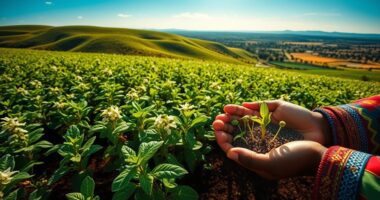
You’ll notice that the global demand for chia seeds is rapidly increasing due to rising health awareness and interest in plant-based diets. Consumers prefer organic-certified products that are eco-friendly and transparent about sourcing. Advances in supply chain technology, like blockchain and direct-to-consumer models, are making high-quality chia more accessible worldwide. This trend boosts market growth and supports small farmers. If you want to discover how this shift shapes the industry, keep exploring these evolving market dynamics.
Key Takeaways
- Growing health awareness drives global demand for nutritious, plant-based chia seeds, especially organic-certified options.
- Increasing consumer preference for sustainably sourced, pesticide-free products boosts market growth.
- Supply chain innovations enhance traceability, freshness, and transparency, supporting expanded market access worldwide.
- Organic certification acts as a key differentiator, reinforcing quality and boosting consumer trust in chia seed products.
- Market forecasts predict sustained growth driven by rising consumer interest and technological advancements in sourcing and distribution.
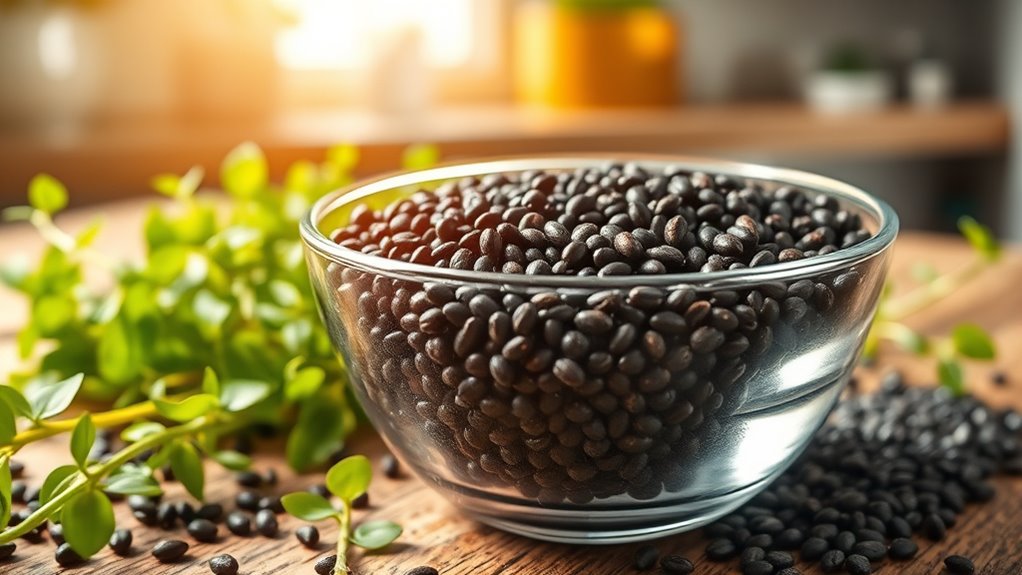
The chia seeds market is experiencing rapid growth as consumer interest in healthy, plant-based foods continues to rise. More people are seeking nutritious options, which boosts demand for organic-certified chia seeds. Organic certification plays an essential role here, as consumers increasingly prioritize products free from synthetic pesticides and fertilizers. Brands that secure organic certification not only meet this demand but also distinguish themselves in a competitive market. Certification reassures buyers about quality standards and environmental sustainability, encouraging higher sales and loyalty. As the market expands, producers are investing heavily in obtaining and maintaining organic status, knowing it’s a key factor driving consumer choices.
Organic certification boosts chia seed sales by ensuring quality and sustainability.
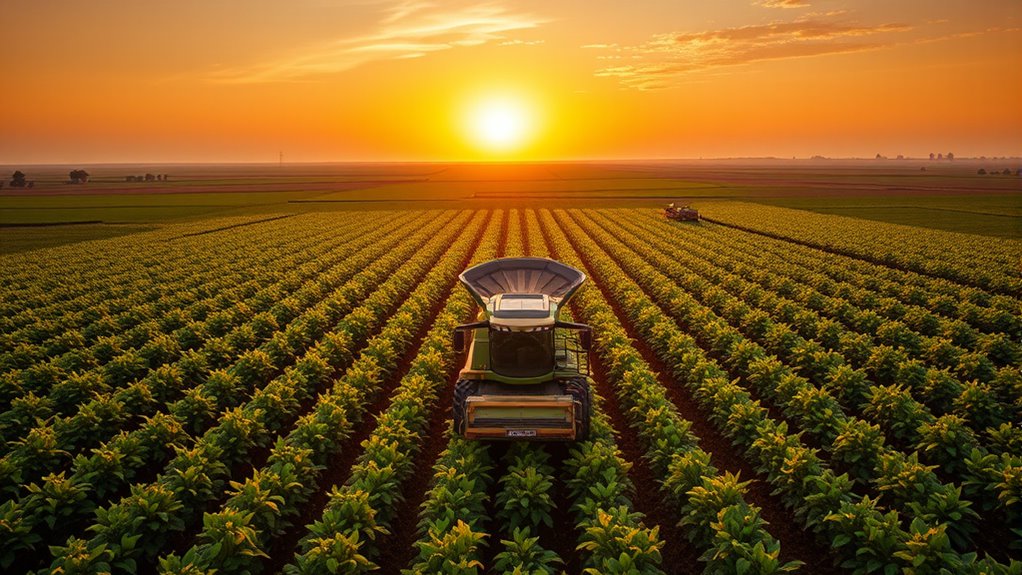
Alongside organic certification, supply chain innovation is transforming the chia seeds industry. Traditional supply chains often face challenges like delays, contamination risks, and transparency issues. To address these, companies are adopting advanced logistics, blockchain technology, and direct-to-consumer models. These innovations enable better tracking of chia seeds from farm to shelf, ensuring freshness, quality, and authenticity. Supply chain improvements also help reduce costs, minimize waste, and increase operational efficiency, which benefits both producers and consumers. When you buy chia seeds, you’re more likely to get a product that’s traceable and responsibly sourced, thanks to these advancements.
Furthermore, supply chain innovation makes it easier for small-scale farmers to access global markets, fostering sustainable growth. Technology-driven solutions like mobile platforms and digital payment systems empower farmers to connect directly with buyers, bypassing middlemen and increasing their income. This not only improves the livelihoods of farmers but also ensures a more transparent and resilient supply chain. For you, this means greater confidence that the chia seeds you purchase are ethically sourced and of high quality. The integration of innovative logistics also shortens delivery times, allowing fresher products to reach markets faster, which is especially important for perishable goods like chia seeds.
As consumer awareness about sustainability and health continues to grow, brands that emphasize organic certification and supply chain transparency will stand out. Your purchasing decisions influence market trends, encouraging producers to adopt more sustainable practices and invest in cutting-edge logistics. This synergy between consumer demand and industry response fuels the ongoing evolution of the chia seeds market. Overall, these factors—the emphasis on organic certification and supply chain innovation—are shaping a more sustainable, trustworthy, and accessible industry. You can expect to see more certified organic options and streamlined sourcing methods, making it easier than ever to incorporate chia seeds into your healthy lifestyle. Additionally, advancements in projector technology like better calibration and contrast ratios are enhancing the overall quality of visual displays, reflecting a broader trend toward innovation and quality improvement across industries.

BetterBody Foods Organic Chia Seeds 2 lbs, 32 Oz, with Omega-3, Non-GMO, Gluten Free, Keto Diet Friendly, Vegan, Good Source of Fiber
NUTRIENT POWER: This omega powerhouse is full of other useful nutrients that will help men and women live…
As an affiliate, we earn on qualifying purchases.
As an affiliate, we earn on qualifying purchases.
Frequently Asked Questions
How Do Chia Seeds Compare Nutritionally to Other Superfoods?
Chia seeds stand out in a nutritional comparison with other superfoods because they’re packed with fiber, omega-3 fatty acids, and protein. You get significant health benefits like improved digestion and heart health. Unlike some superfoods, chia seeds are easy to incorporate into your diet, offering versatile superfood benefits. Overall, they’re a nutrient-dense option that complements your balanced diet better than many other superfoods.
What Are the Main Challenges in Scaling Chia Seed Production Globally?
You’ll face challenges like managing the supply chain efficiently and maintaining quality assurance as you scale chia seed production globally. Ensuring consistent supply amidst seasonal and regional variations can be tough, while meeting quality standards across different sources requires rigorous oversight. You need to streamline logistics and implement strict quality controls to meet rising demand without compromising product integrity or sustainability.
Which Countries Are Emerging as New Chia Seed Markets?
You might be surprised to find emerging markets like India and parts of Southeast Asia rapidly embracing chia seeds. Consumer adoption is soaring as health-conscious populations seek nutritious alternatives. These countries are becoming new chia seed markets, driven by rising awareness and changing eating habits. As demand grows, expect more regions to follow suit, transforming chia seeds from niche health foods into everyday staples across diverse global markets.
How Do Seasonal Changes Affect Global Chia Seed Supply?
Seasonal harvests and climate variability considerably impact your chia seed supply. During peak harvest seasons, you’ll find a steady flow, but unexpected weather changes can delay or reduce yields. Climate variability introduces unpredictability, causing shortages or surpluses that influence prices and availability worldwide. To stay ahead, you should monitor seasonal patterns and climate forecasts, ensuring your sourcing strategies adapt to these fluctuations for consistent supply and market stability.
What Innovations Are Driving New Chia Seed Product Development?
You see that innovative packaging and flavor enhancements are fueling new chia seed product development. Companies now use resealable pouches and eco-friendly containers to attract eco-conscious consumers. They also add natural flavorings like vanilla or lemon to diversify offerings and appeal to health-conscious buyers. These innovations make chia seeds more convenient and enjoyable, helping you incorporate them easily into your diet and encouraging repeated purchases.
BetterBody Foods Organic Chia Seeds 2 lbs, 32 Oz, with Omega-3, Non-GMO, Gluten Free, Keto Diet Friendly, Vegan, Good Source of Fiber
NUTRIENT POWER: This omega powerhouse is full of other useful nutrients that will help men and women live…
As an affiliate, we earn on qualifying purchases.
As an affiliate, we earn on qualifying purchases.
Conclusion
As you explore the growing demand for chia seeds, remember that embracing this superfood can boost your health and diversify your diet. You might worry about availability or price, but with the expanding global market, access is easier than ever—and prices are becoming more competitive. So, don’t miss out on the benefits. Incorporate chia seeds into your routine today and enjoy the health perks while supporting a thriving, sustainable market.
BetterBody Foods Organic Chia Seeds 2 lbs, 32 Oz, with Omega-3, Non-GMO, Gluten Free, Keto Diet Friendly, Vegan, Good Source of Fiber
NUTRIENT POWER: This omega powerhouse is full of other useful nutrients that will help men and women live…
As an affiliate, we earn on qualifying purchases.
As an affiliate, we earn on qualifying purchases.
BetterBody Foods Organic Chia Seeds 2 lbs, 32 Oz, with Omega-3, Non-GMO, Gluten Free, Keto Diet Friendly, Vegan, Good Source of Fiber
NUTRIENT POWER: This omega powerhouse is full of other useful nutrients that will help men and women live…
As an affiliate, we earn on qualifying purchases.
As an affiliate, we earn on qualifying purchases.