
TL;DR
Listen free for 30 days with Audible
Thousands of audiobooks and originals — cancel anytime.
Start your free trialAs an affiliate, we earn on qualifying purchases.
Interest in attracting state birds to yards is rising, driven by a trend toward native plant gardening. Experts recommend specific native plants to support local bird populations. The trend is gaining attention, but details on specific plant choices vary.
Growing attention to supporting local wildlife has led to increased interest in planting native plants to attract state birds, according to recent trend signals. This shift reflects a broader movement toward sustainable gardening and conservation efforts at the residential level, with many homeowners seeking practical ways to support native avian populations. Want The Biggest Blooms Next Summer? Plant These 6 Perennials Before September Ends
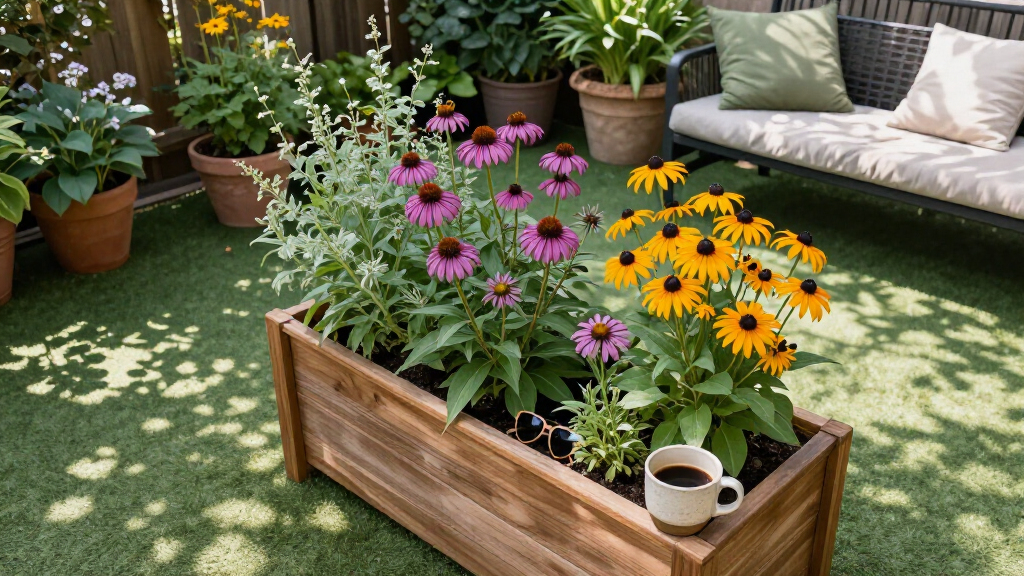
While specific plant recommendations vary by region, experts emphasize that native plants provide essential food and shelter for local bird species. Recent online searches and gardening forums indicate a spike in interest around planting native species such as serviceberries, coneflowers, and goldenrods, which are known to attract various state birds.
Conservationists and ornithologists note that planting native flora not only benefits birds but also enhances local biodiversity and ecosystem health. Plant These 8 Herbs Around Your Bird Bath to encourage more birds and deter pests. This trend appears to be driven by increased awareness of habitat loss and a desire among homeowners to contribute positively to wildlife conservation without relying on artificial feeders alone.
Although the trend is gaining traction, it remains largely a grassroots movement with no formal campaigns or government endorsements yet. Experts caution that success depends on selecting the right plants suited to local climates and ensuring year-round food sources for birds.
Why Supporting Native Plants Matters for Bird Conservation
This trend underscores a growing recognition of the importance of native plants in supporting local bird populations. By planting species adapted to regional ecosystems, homeowners can help mitigate habitat loss caused by urban development and invasive species. Supporting native flora directly benefits specific bird species that rely on these plants for food, nesting, and shelter, strengthening local biodiversity.
Furthermore, this movement aligns with broader conservation goals, offering an accessible way for individuals to contribute to environmental health. As interest in native planting rises, it could lead to more widespread habitat restoration efforts and a greater public understanding of ecological interdependence.
native wildflower seeds for attracting birds
As an affiliate, we earn on qualifying purchases.
As an affiliate, we earn on qualifying purchases.
Recent Rise in Interest Reflects Broader Conservation Trends
The current surge in online searches and gardening discussions about native plants and bird attraction appears to be part of a larger trend toward sustainability and local conservation. While specific data on this spike is limited, the pattern coincides with increased media coverage of habitat loss, climate change impacts, and the importance of native species for ecosystem resilience.
This interest is also fueled by a rise in community-led conservation initiatives and local gardening programs that promote native plant use. Historically, native plant gardening has been promoted by environmental groups, but recent social media activity indicates a broader public engagement.
It is important to note that this is a trend signal based on online activity, and formal studies or official campaigns are not yet confirmed.
bird-friendly native plants for yard
As an affiliate, we earn on qualifying purchases.
As an affiliate, we earn on qualifying purchases.
Unconfirmed Nature of the Trend and Specific Plant Recommendations
The current interest is primarily observed through online searches and social media activity, which do not yet have comprehensive scientific backing. Plant recommendations differ by region, and there is no official list endorsed by authorities. It remains uncertain whether this interest will lead to sustained gardening practices or widespread behavioral change.
It is also unclear if local governments or organizations will officially promote native planting for specific bird species in the future.
As an affiliate, we earn on qualifying purchases.
Potential for Broader Adoption and Official Support
As interest continues to grow, conservation groups and gardening organizations are expected to increase outreach efforts promoting native plants for bird support. Future initiatives may include regional planting guides, educational workshops, and community projects aimed at native landscaping.
Monitoring by researchers and policymakers could assess the impact of this trend on bird populations and ecosystems, potentially leading to formal programs or incentives for native planting.
wildlife garden native plant seeds
As an affiliate, we earn on qualifying purchases.
As an affiliate, we earn on qualifying purchases.
Key Questions
Which native plants are best for attracting my state bird?
Recommendations depend on your region, but native species such as serviceberries, coneflowers, goldenrods, and native grasses are commonly beneficial. Consult local gardening resources for region-specific advice.
Is planting native plants enough to attract my state bird?
While native plants provide essential resources, attracting specific birds also depends on water availability, nesting sites, and minimal disturbance. Combining native planting with habitat-friendly practices enhances success.
Are there risks to planting non-native species?
Non-native plants can become invasive, outcompeting local species and disrupting ecosystems. Native plants are generally safer and support regional wildlife better.
Will this trend lead to official conservation programs?
Currently, the movement is mainly grassroots with no official programs. Continued public interest and demonstrated conservation benefits could lead to formal initiatives in the future.
How can I start planting native species in my yard?
Research native plants suitable for your area, consult local extension services or gardening centers, and choose a variety that blooms at different times to support birds year-round.
Source: rss
NFL season / tailgating Picks
team gear
As an affiliate, we earn on qualifying purchases.