TL;DR

Get garden gear delivered free with Prime
- Fast, free delivery on millions of items
- Prime Video, Amazon Music and more included
- Member-only deals all year
A Homes & Gardens report says poor drainage is a common risk when planting spring bulbs in fall: cold, waterlogged soil can cause bulbs to rot before they emerge. Gardeners can test a planting site, improve heavier soil with organic matter, or use raised beds and containers with drainage holes.
A Homes & Gardens report warns that planting spring bulbs in waterlogged soil this fall can leave them prone to rot before they emerge, and recommends checking drainage before planting. The advice matters to gardeners preparing beds for snowdrops, hyacinths, daffodils, alliums and other spring flowers, particularly in areas that receive substantial fall and winter rain.
Bulbs need some moisture after planting to develop roots, but the report distinguishes that from soil that remains saturated. In cold, wet ground, bulbs may lack enough oxygen and their fleshy tissues can rot. The report identifies overlooked drainage as a common reason bulbs fail to appear in spring; it does not provide a rate or survey data quantifying how often this occurs.
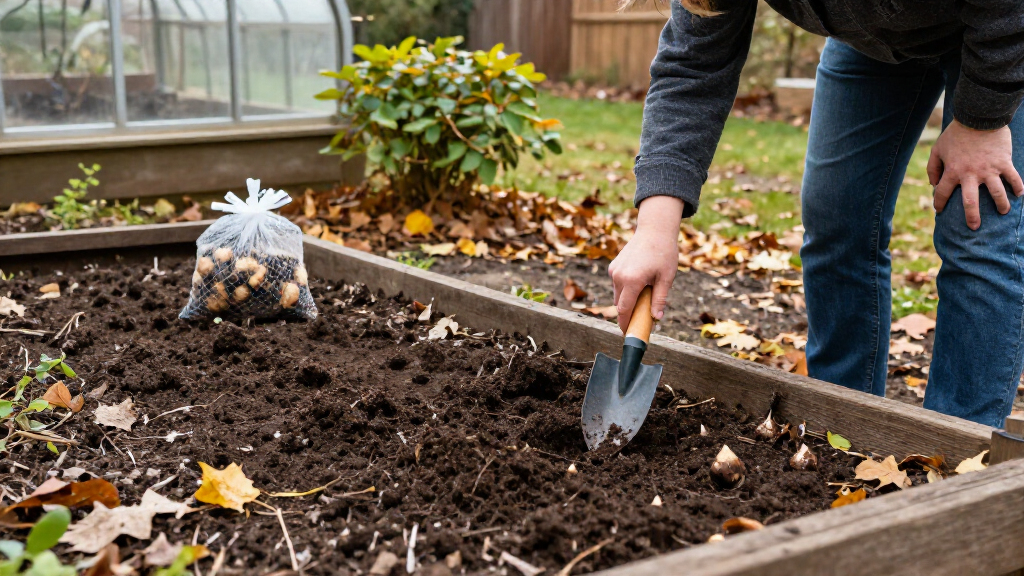
One suggested check is to dig a hole 12 inches deep and between 8 and 12 inches wide, fill it with water, and watch whether water remains. Damon Tang, founder of the US Grow Zones planting-calendar site, advises choosing a better-drained location, using a raised bed, or loosening the soil with compost if water is still standing an hour later.
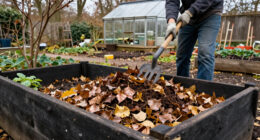
For heavier soils, the report recommends incorporating compost, well-rotted manure or leaf mold to improve soil structure. It says this should be done at least a week before planting and may need to be repeated annually as organic matter breaks down. The report also suggests raised beds or pots when garden soil does not drain adequately.
Drainage Can Decide Whether Bulbs Bloom
Fall-planted bulbs spend the winter in the ground before their spring growth is visible, so a drainage problem may not become apparent until the display fails to emerge. Checking conditions before planting can help gardeners avoid putting bulbs into a site where persistent water may damage them. It also gives them time to choose another location or growing method rather than relying on the same bed.
The advice is especially relevant for dense clay soils, which the report says drain slowly and can become waterlogged in winter. It does not mean every clay garden is unsuitable: the report notes that soil can be amended, while raised beds and containers provide other options. The practical point is to judge the planting site’s drainage, not simply the calendar.
Products Worth Considering

Vitamix Propel Series 750 Professional-Grade Blender, 4 Programs, Black

Instant Pot Vortex Plus Mini 4-Quart 6-in-1 Air Fryer, Stainless Steel

Ninja CREAMi Scoop & Swirl 13-in-1 Ice Cream and Soft Serve Maker, NC701
As an affiliate, we earn on qualifying purchases.
Fall Planting and Wet Winter Soil
October is described in the report as a prime time to plant many spring bulbs, though the appropriate timing can depend on local conditions. Natural fall rainfall often provides enough moisture for bulbs to begin establishing roots; in drier areas, gardeners may need to water. The report cautions against confusing that needed moisture with prolonged saturation.
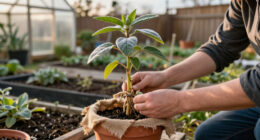
For containers, the report names tulips, daffodils, hyacinths and alliums as bulbs that can be grown in pots. It recommends deep containers with a well-draining potting mix and drainage holes. Florist David Denyer also advises raising pots slightly on pot feet or bricks so they do not sit in water through winter.
“The bulbs store their moisture and all of the nutrients that they need to grow in the fleshy tissue, so when they are waterlogged, that rots first, and fairly quickly.”
— Lindsey Chastain, gardening expert quoted by Homes & Gardens
Local Soil Conditions Still Matter
The report gives general gardening advice, not a location-specific planting schedule or a controlled comparison of soil treatments. It does not specify how long gardeners should wait after amending soil before repeating the drainage test, or give a single drainage threshold for every soil type and climate. The one-hour standing-water guideline is attributed to Tang and should be read as practical advice, not a guarantee that bulbs will thrive.
Whether October is suitable for planting also depends on local weather and growing conditions. The report does not identify particular regions where bulbs should be planted now, nor does it establish that all bulbs or all clay soils respond in the same way.
Test the Site Before Planting
Gardeners preparing to plant this fall can test the intended bed and decide whether it drains adequately before buying or setting out bulbs. If water remains in the test hole after an hour, the report’s options are to move to a better-drained spot, improve the soil with organic matter, or use a raised bed. Where pots are used, check that they have unobstructed drainage holes and are lifted off surfaces where water can collect.
The report offers no follow-up study or scheduled update. The next step is local: gardeners should account for their soil and seasonal rainfall, then choose a planting method that avoids leaving bulbs in saturated ground over winter.
Key Questions
What is the main fall bulb-planting mistake?
Planting bulbs in waterlogged soil can expose them to cold, wet conditions and increase the risk of rot, according to the Homes & Gardens report.
How can I check whether soil drains well?
Dig a hole about 12 inches deep and 8 to 12 inches wide, fill it with water, and check it after an hour. The report says standing water is a reason to choose another site, use a raised bed or improve the soil.
Can I plant spring bulbs in clay soil?
The report says dense clay can drain slowly, but it does not rule out planting in every clay garden. It recommends improving heavier soil with organic matter or using a raised bed or container if drainage remains poor.
Can spring bulbs grow in pots?
Yes. The report lists tulips, daffodils, hyacinths and alliums as options for containers. Use a well-draining potting mix, a pot with drainage holes, and raise the container slightly so it does not sit in water.
Source: homesandgardens.com