TL;DR
Country Living’s seasonal gardening report identifies 11 perennials to cut back in fall, generally after frost has killed or damaged their foliage. It recommends removing diseased plant material rather than composting it, while waiting for true lilies to die back naturally before trimming.
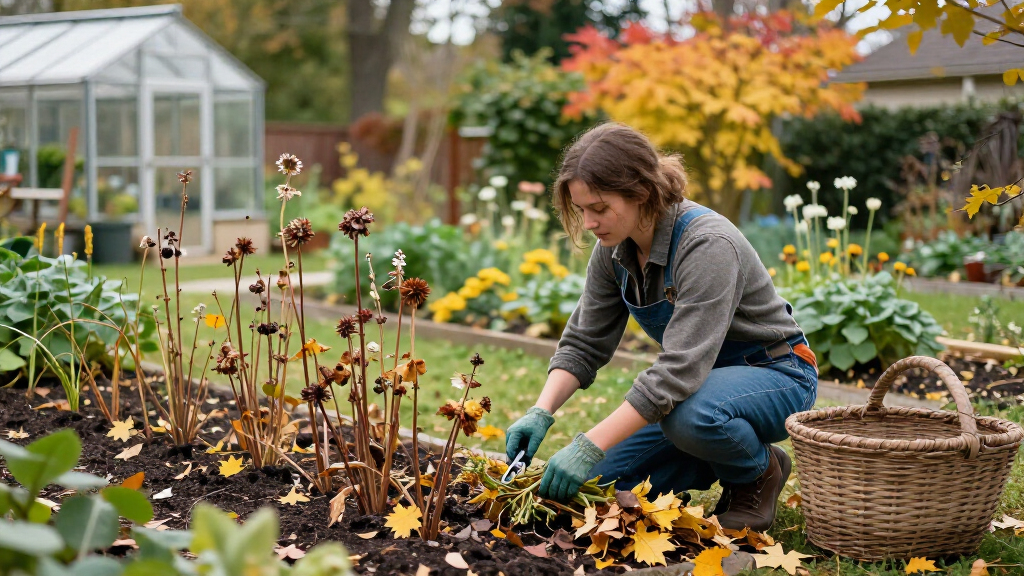
Country Living has outlined 11 perennials gardeners can cut back in fall to tidy beds and, in some cases, reduce the amount of diseased foliage or pest shelter left for spring. Its advice generally ties pruning to the first frost or a couple of frosts, but it cautions gardeners to let true lilies die back naturally before cutting them.

Get garden gear delivered free with Prime
- Fast, free delivery on millions of items
- Prime Video, Amazon Music and more included
- Member-only deals all year
The plants in the report are bee balm, hosta, catmint, phlox, iris, daylily, veronica, yarrow, columbine, peony and true lilies. For more fall garden ideas, see these flower seeds to sow. The recommended timing and cut height vary: catmint can be cut to about 6 inches above the ground after frost, while hosta foliage can be cut to about 2 inches from the soil once it has yellowed and become limp. Iris leaves may be cut down to the rhizome after frost.
For bee balm and phlox, the report says to remove foliage because these plants are prone to powdery mildew; it advises disposing of diseased material rather than putting it in a compost pile, unlike the late-summer pruning that can encourage another flush of blooms. It gives similar disposal guidance for diseased iris and peony foliage. Hosta leaves should also be discarded, the article says, because they may harbor slug eggs or shelter rodents such as voles.
Some plants call for a more selective cut, as explained in this guide to perennials to leave standing in fall. With veronica, gardeners should avoid cutting into the basal foliage at the crown. Yarrow should be trimmed back to its new basal leaves. For true lilies, the report says to wait until frost has killed the foliage: leaves left intact beforehand continue making food that is stored in the bulb for the next season.
Fall Cleanup Can Limit Spring Problems
The advice links fall pruning to two practical garden concerns: removing foliage associated with disease and clearing material that may shelter pests. Removing infected leaves from susceptible plants may reduce disease carryover, according to the report, while clearing hosta debris may remove places where slugs or voles can shelter. These are the article’s stated reasons for the work, not guarantees that disease or pests will be absent next year.
Timing matters as much as cleanup. Cutting plants too early can remove growth that still serves a purpose, as the lily guidance illustrates. The different cut heights and exceptions also mean the list should not be treated as a single rule for every perennial or garden condition.
Products Worth Considering

Ninja Foodi Smart 6-in-1 Indoor Grill and Air Fryer, 4 Qt, FG551

Traeger Pro 22 Wood Pellet Grill & Smoker

Vitamix Nano Personal Blender with SmoothiePilot Technology, Black
As an affiliate, we earn on qualifying purchases.
Frost Sets the Pruning Schedule
The report frames the recommendations around the plants’ condition after cold weather rather than a specific calendar date. Several entries call for pruning after the first frost; others say to wait for one or two frosts or until foliage has died back. That distinction makes local frost timing and the plant’s visible condition central to applying the advice.
The recommendations are a seasonal checklist, not a full care guide for each plant. They do not provide regional dates, cultivar-specific instructions or detailed disease identification. The source is Country Living’s gardening report; no independent horticultural expert or study is cited in the supplied material.
Advice Has Few Regional Details
The supplied report does not state when it was published, identify a gardening expert as the source of the recommendations, or explain whether the guidance varies by climate, cultivar or local disease pressure. It also does not quantify how much fall cleanup changes the risk of disease or pest damage. The recommendations should be read as general seasonal guidance rather than a measured prediction of next spring’s garden health.
Gardeners may also need to distinguish ordinary frost-damaged foliage from active disease before deciding what to discard. The source gives disposal instructions for diseased material but does not explain how to diagnose infection or handle all garden waste locally.
Check Plants After Local Frost
For gardeners using the checklist, the next step is to watch for local frost and assess each plant before cutting. Remove foliage only at the stage described for that plant, preserve veronica’s basal growth, and wait for true lily leaves to die naturally. Diseased bee balm, phlox, iris or peony material should be kept out of compost, as the report advises.
Because the article gives no region-specific calendar or follow-up testing, gardeners should apply the timing to their local conditions and check plant-specific guidance where needed. The report does not announce a subsequent study or update.
Key Questions
Which perennials does the report recommend cutting back in fall?
Bee balm, hosta, catmint, phlox, iris, daylily, veronica, yarrow, columbine, peony and true lilies are included. The timing and cut height differ by plant.
Should diseased perennial leaves go in the compost?
The report says not to compost diseased bee balm or phlox foliage and advises disposing of diseased iris and peony leaves. It also says to discard hosta leaves rather than composting them.
When should true lilies be cut back?
Wait until frost has killed the foliage. Before then, the leaves are still making food that the plant stores in its bulb for next year’s blooms.
Do all 11 plants get cut to the ground?
No. Catmint is cut to about 6 inches and hostas to about 2 inches from the soil; iris can be cut down to the rhizome. Veronica should retain its basal foliage, and yarrow should be cut back to new basal leaves.
Source: rss