
TL;DR

Get garden gear delivered free with Prime
- Fast, free delivery on millions of items
- Prime Video, Amazon Music and more included
- Member-only deals all year
Planet Natural advises gardeners to confirm aphids and inspect fall kale and broccoli before treating. For small colonies, it recommends a directed water rinse, repeat checks and protection for natural predators; pesticides are a later option only when crop damage or harvest contamination warrants it.
Planet Natural is advising gardeners to begin an aphid response on fall kale and broccoli with close inspection and physical removal, not an automatic pesticide application. Its five-step guidance recommends rinsing small colonies with water, preserving beneficial insects and escalating only when aphids are spreading, damaging new growth or threatening harvest quality.
The report says aphids commonly cluster on tender stems, young leaves and leaf undersides, and may hide in sheltered folds around developing broccoli heads. Curled new growth, sticky honeydew and pale shed skins can point to an infestation, but gardeners should turn leaves over and check the insects before deciding to act. Lady beetles, lacewing larvae, hoverfly larvae and parasitoid wasps are beneficial insects that feed on or otherwise help reduce aphids.
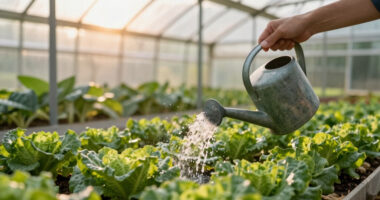
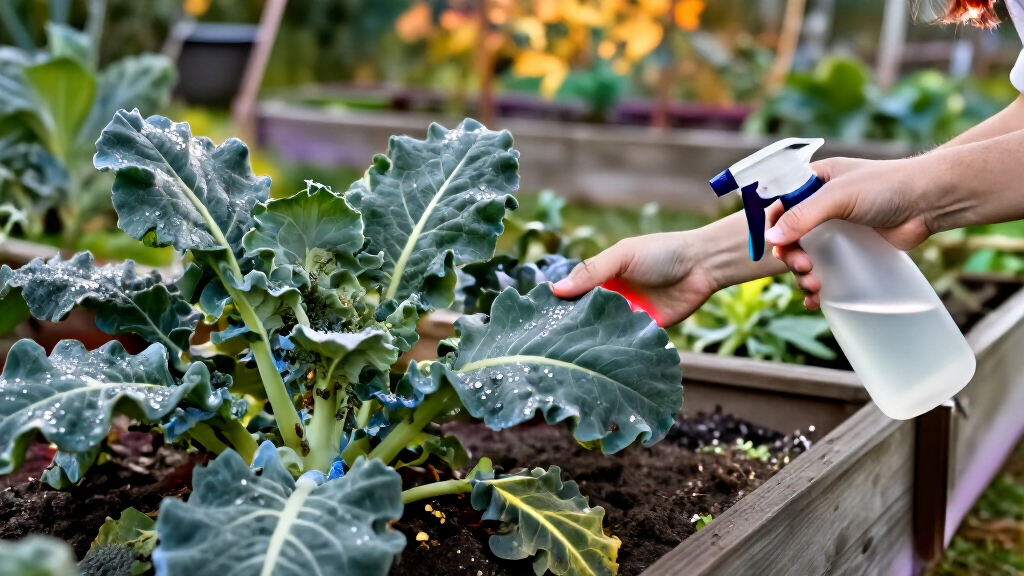
For a small colony, the recommended first treatment is a directed stream of plain water. Gardeners should hold leaves to reach their undersides and use enough pressure to dislodge aphids without damaging tender foliage. Planet Natural suggests rinsing in the morning, avoiding water driven into a tight broccoli head, then checking the same areas again in two or three days. A badly curled tip or heavily infested leaf can be removed if that is more practical; clippings should go in the trash or contained green waste rather than beside the plants.
The guidance calls for escalation only when repeated checks show a worsening problem, such as colonies spreading, distorted new growth or aphids likely to make a near-harvest crop unmarketable. Fine insect mesh may help keep new aphids off clean plants if its edges are sealed, but the report warns against covering plants already carrying an infestation. If a pesticide is needed, it should be labeled for the specific edible crop and pest, used exactly as directed, and applied with attention to harvest intervals and the risk to bees and other beneficial insects.
Protecting the Harvest Without Broad Sprays
The approach matters because aphids can affect both plant growth and the condition of edible leaves or broccoli heads, while an unnecessary broad-spectrum insecticide can also kill organisms that help suppress them. The report frames the decision around what is happening on the specific plants: a few aphids on one tip call for a different response from colonies spreading across a bed or entering harvest tissue.
For gardeners, that means the first step is not simply choosing a product. It is checking whether the insects are aphids, finding out how widely they are distributed and watching whether predators are already present. A water rinse or removal of badly affected foliage may address an early colony while limiting disruption to the rest of the garden. The report also cautions against overfertilizing to force growth, saying soft, lush new growth is attractive to aphids.
The guidance is practical advice, not evidence that a particular method will work in every garden. Conditions, infestation size and crop stage can vary. Its central recommendation is to match the response to observed damage and reassess before moving to a more disruptive measure.
garden hose water spray for aphids
As an affiliate, we earn on qualifying purchases.
As an affiliate, we earn on qualifying purchases.
Where Aphids Hide on Brassicas
The report focuses on fall kale and broccoli, crops whose edible parts can make inspection less straightforward. Aphids may be visible on young kale growth or tucked beneath leaves; on broccoli, they can shelter in folds around the developing head. The report recommends checking growing tips and leaf undersides first, and parting leaves around a broccoli head before buds begin to loosen.
It advises repeating inspections every few days during warm fall weather. A small colony may become a harvest-quality concern before it causes an emergency for the plant, so the pattern matters: isolated clusters differ from sticky, curling tips across an entire bed. Tan, swollen aphid shells, described as “mummies,” can indicate parasitoid wasps are active and may be a reason to give natural control time.
For harvest, the report recommends taking mature outer kale leaves and checking their folds and undersides. Broccoli should be cut while its head is compact and buds remain closed, then inspected between florets. It says to rinse produce thoroughly under clean running water before eating; it describes a small number of aphids on an otherwise sound crop as a cleaning issue rather than an automatic reason to discard it.
beneficial insect netting for vegetable garden
As an affiliate, we earn on qualifying purchases.
As an affiliate, we earn on qualifying purchases.
When a Rinse Will Not Be Enough
The source does not provide field trial results, a measured success rate or a publication date for the recommendations. It also does not set a numerical threshold for how many aphids or how much damage warrants escalation; its guidance relies on whether colonies are spreading, growth is distorted or harvest tissue is at risk.
Results may depend on the size and location of the colony, crop condition and the presence of natural predators. The report says insecticidal soaps act only when they contact aphids and can injure foliage in hot or stressful conditions, but it does not identify a particular product. Gardeners should check the label for their crop, pest and harvest interval rather than assuming a product or homemade mixture is suitable.
organic aphid pest control for kale and broccoli
As an affiliate, we earn on qualifying purchases.
As an affiliate, we earn on qualifying purchases.
Recheck Plants Before Escalating
After rinsing or removing affected foliage, gardeners should inspect the same plants again in two or three days and continue scouting every few days during warm fall weather. If colonies remain limited and predators are present, the report recommends allowing those beneficial insects time to work. If colonies refill the same areas or spread, repeat the low-disruption steps and reassess the crop’s condition.
If clean plants remain vulnerable to new arrivals, fine insect mesh with securely sealed edges may provide exclusion. If damage or harvest contamination continues and a product is necessary, the next step is to select one labeled for the edible brassica and aphid pest, follow all label directions and observe its harvest interval. The source does not specify a follow-up date or a single treatment outcome; the decision depends on what the next inspections show.
garden insect mesh for vegetable protection
As an affiliate, we earn on qualifying purchases.
As an affiliate, we earn on qualifying purchases.
Key Questions
Should I spray as soon as I see aphids on kale or broccoli?
Not necessarily. The report recommends confirming the pest, checking how widespread it is and considering a directed water rinse for a small colony before using a pesticide.
How do I check for aphids on broccoli?
Inspect leaf undersides and carefully part the leaves around the developing head to check sheltered folds. Aphids can be difficult to spot where the leaves meet the head.
How often should I recheck after rinsing aphids off?
Planet Natural recommends checking the same spots again in two or three days. It also advises scouting every few days during warm fall weather.
Are lady beetles and lacewing larvae pests?
No. The report identifies lady beetles, lacewing larvae, hoverfly larvae and parasitoid wasps as beneficial organisms that help reduce aphids, and advises against targeting them with unnecessary sprays.
Can I eat kale or broccoli if I find a few aphids?
The report says a small number of aphids on an otherwise sound crop is generally a cleaning issue, not an automatic reason to discard it. Rinse leaves and broccoli thoroughly under clean running water before eating, and follow any pesticide label’s harvest interval if a product was used.
Source: rss
Fall yard work Picks
leaf blowers
As an affiliate, we earn on qualifying purchases.