TL;DR

Get garden gear delivered free with Prime
- Fast, free delivery on millions of items
- Prime Video, Amazon Music and more included
- Member-only deals all year
Dahlia tubers generally need to be lifted and stored where winter freezes the ground; in warmer areas, they may survive outdoors in well-drained soil under a thick layer of mulch. The guidance also covers when to dig, how to store tubers, and why local conditions can affect the decision.
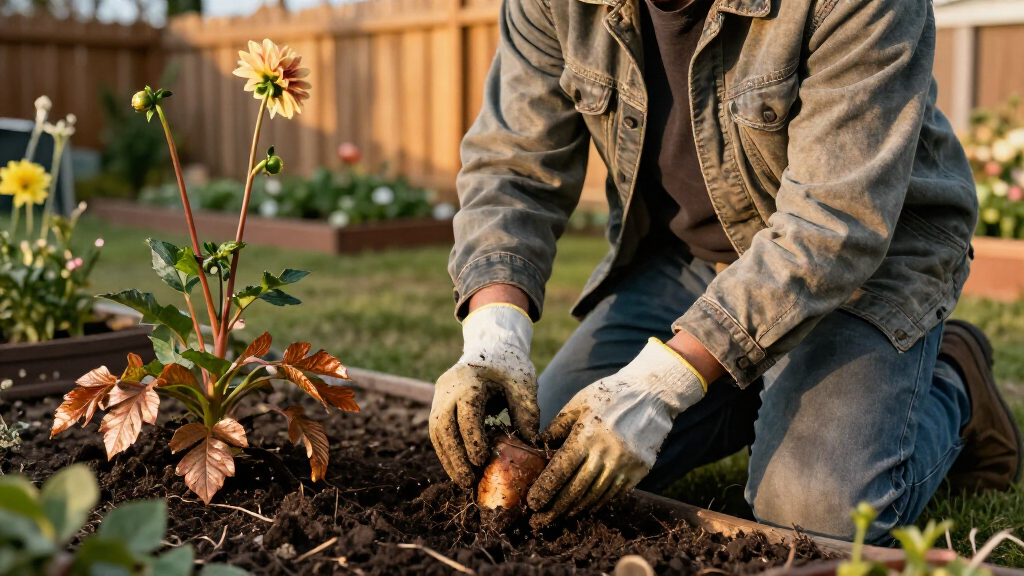
Gardeners deciding whether to dig up dahlia tubers this fall should base the choice largely on local winter conditions: a Country Living gardening report advises lifting them in colder areas where the ground freezes, while some gardeners in USDA Zones 8 through 10 may leave them in the ground with good drainage and mulch. The choice matters because freezing or waterlogged soil can damage tubers before the next growing season.
The report says dahlias generally need to be lifted in USDA Zones 7 and lower, where the ground may freeze. Dahlias are native to Mexico and Central America and are not winter-hardy in locations where the soil freezes, according to the report. It identifies freezing and overly wet conditions as risks: tubers can split when frozen or rot in wet soil. Gardeners unsure how their own site performs are advised to ask a local cooperative extension for guidance.
In Zones 8 through 10, many gardeners can leave dahlias outdoors, particularly where soil drains well and a thick layer of mulch protects the planting. This is not a guarantee that every tuber will survive: the report frames outdoor overwintering as a possibility that depends on conditions. Even in mild climates, lifting and dividing clumps every few years may help prevent overcrowding and encourage better blooms.
For tubers that need lifting, the report recommends waiting until foliage turns brown or yellow after the first light frost or two, but digging before the ground freezes. Cut stems about four to six inches above the soil. Loosen the soil carefully with a garden fork or spade about a foot from the stem, lift the clump without piercing the tubers, and brush away excess dirt. The report advises curing them for several days to a week in a warm, ventilated place, away from direct sunlight and concrete.
Once dry, tubers can be packed in cardboard boxes, paper bags or wooden crates with slightly damp peat moss, vermiculite or wood shavings. Store them in a cool, dark, frost-free place at about 40° to 55°F, and check them during winter. The report says to mist lightly if they shrivel and remove any rotting tubers. In spring, gardeners can replant after the danger of frost has passed; divisions should each have an eye.
Winter Conditions Decide the Risk
The decision can determine whether a dahlia clump survives until spring. In colder locations, leaving tubers exposed to a ground freeze risks damage; in a wet garden, poor drainage creates a separate risk of rot. Lifting and storing them adds work and requires a suitable storage space, but can protect plants where outdoor survival is unlikely.
For gardeners in milder areas, leaving tubers in place can avoid digging and storage, but the report’s advice depends on well-drained soil and protective mulch. Local climate zones offer a starting point, not a guarantee for each garden. A low-lying, wet bed may behave differently from a well-drained site nearby, so local extension advice can help resolve uncertainty.
As an affiliate, we earn on qualifying purchases.
When to Lift and Store Dahlias
Dahlias enter dormancy as their foliage dies back. The report recommends allowing that process to happen naturally after light frost, rather than cutting healthy foliage early. Once leaves have turned brown or yellow, gardeners in areas that need lifting should act before the soil freezes. After frost has blackened foliage, stems can be cut back while leaving a short section above ground to handle the clump.
Careful handling and storage are part of the same seasonal task. Digging too close to the plant can pierce tubers, while excessive drying during curing can leave them in poor condition. The suggested storage range is about 40° to 55°F; periodic checks help gardeners spot shriveling or rot before it affects other tubers. In spring, clumps can also be divided, provided each section has an eye, the point from which new growth can emerge.
As an affiliate, we earn on qualifying purchases.
Local Soil and Frost Remain Key
The report provides broad guidance by USDA hardiness zone, but it does not establish that every garden in a given zone will have the same results. Drainage, mulch, and local winter conditions can affect whether tubers left outdoors survive. It also gives no guarantee that a particular storage location will maintain the recommended temperature or moisture throughout winter. Gardeners whose conditions fall near the boundary between options should seek location-specific advice from a cooperative extension.
As an affiliate, we earn on qualifying purchases.
Check Conditions Before Frost
As fall progresses, gardeners can check their USDA hardiness zone, assess whether the bed drains well, and watch for foliage dieback and the first light frost. Those in colder areas should plan to lift tubers before the ground freezes and prepare a cool, dark, frost-free storage place. Gardeners considering leaving dahlias in the ground can add a thick mulch layer and consult local extension guidance. Stored tubers should be checked during winter, with replanting delayed until spring frost danger has passed.
dahlia mulch for winter protection
As an affiliate, we earn on qualifying purchases.
As an affiliate, we earn on qualifying purchases.
Key Questions
Do dahlias need to be dug up in every region?
No. The report advises lifting them in USDA Zones 7 and lower, where the ground can freeze. In Zones 8 through 10, some gardeners leave them outdoors if the soil drains well and the tubers receive a thick layer of mulch.
When should I dig up dahlia tubers?
Wait until foliage has turned brown or yellow after the first light frost or two, then dig before the ground freezes. The report says allowing foliage to die back naturally gives the plant time to transfer energy to the tubers.
How should lifted tubers be stored?
After curing them for several days to a week in a warm, well-ventilated place, pack them in a breathable container with slightly damp peat moss, vermiculite or wood shavings. Keep them in a dark, frost-free location at about 40° to 55°F and check them during winter.
Can I divide dahlia tubers in spring?
Yes. The report says tubers can be divided before replanting in spring, as long as each division has an eye. Replant after the danger of frost has passed.
Source: rss
Halloween Picks
halloween
As an affiliate, we earn on qualifying purchases.