
TL;DR

Get garden gear delivered free with Prime
- Fast, free delivery on millions of items
- Prime Video, Amazon Music and more included
- Member-only deals all year
Homes & Gardens reports that spider mites can become a common houseplant problem in October as plants move indoors and heating creates warm, dry conditions. Its recommended response includes isolating affected plants, removing heavily infested foliage, washing leaves and repeating treatment for three to four weeks.
Spider mites can thrive on houseplants in October when plants are brought indoors and heating leaves rooms warm and dry, according to a seasonal report from Homes & Gardens. The report recommends isolating affected plants and repeatedly cleaning them to limit pest spread and damage; it is gardening guidance, not a report of a newly measured outbreak.
The report identifies indoor heating, moving outdoor plants inside and care that leaves plants stressed or dry as factors that can make autumn conditions favorable for spider mites. It says the pests favor warmth and low humidity. Spider mites may be spotted through fine webbing on a plant, though the report does not provide a diagnostic test or quantify how often infestations occur.
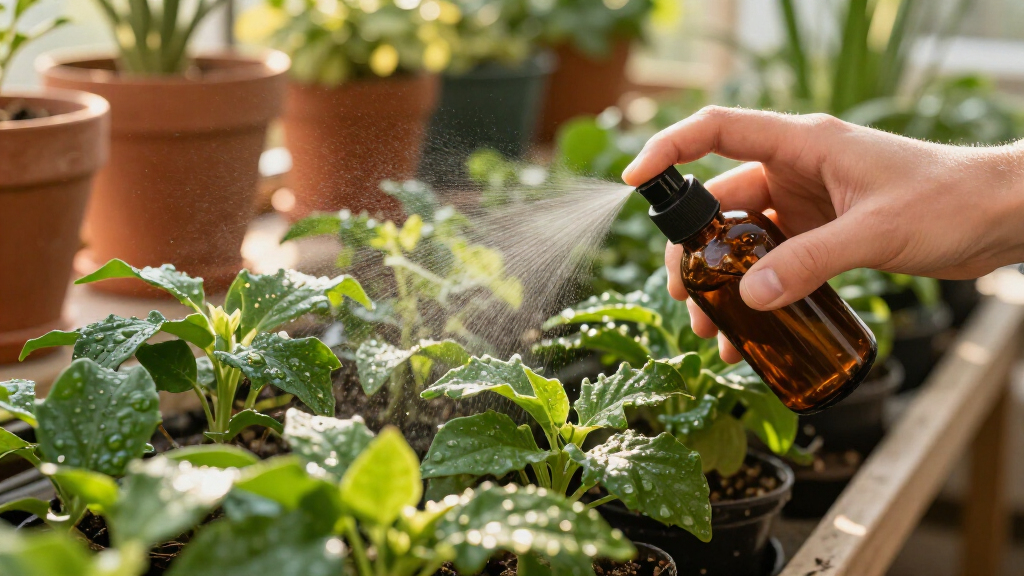
For an affected plant, Homes & Gardens advises moving it away from other plants promptly. It recommends trimming heavily infested stems or leaves with sharp pruning tools, then cleaning those tools to reduce the chance of spreading pests. The report also suggests wiping leaves gently with a damp microfiber cloth or rinsing the plant in a shower to remove mites.
The report presents neem oil as another possible treatment and says to repeat cleaning or treatment every few days for three to four weeks. It also recommends raising humidity, for example by moving a plant to a bathroom or using a humidifier. Its article does not cite controlled trials or product-label directions, so gardeners should follow the instructions for any treatment product and check that it is suitable for the plant.
Protecting Plants as Homes Heat Up
Moving plants indoors can change their growing conditions at the same time that household heating begins. The report’s advice matters because early isolation and repeated cleaning may help prevent an infestation on one plant from spreading among nearby houseplants. Checking leaves and adjusting care can also help gardeners spot problems before damage becomes extensive.
The guidance does not mean every houseplant will develop mites in October. Indoor humidity, temperature, plant health and care vary from home to home. The practical takeaway is to inspect plants brought inside and respond to signs of pests rather than treating all plants pre-emptively.
Neem oil for spider mites on houseplants
As an affiliate, we earn on qualifying purchases.
As an affiliate, we earn on qualifying purchases.
Why Autumn Conditions Can Favor Mites
In fall, gardeners often bring outdoor plants inside as temperatures drop. At the same time, indoor heating can make rooms warmer and less humid. Homes & Gardens links those conditions to spider-mite activity and says watering mistakes that leave plants weakened may also increase their vulnerability.
The report recommends keeping plants hydrated without overwatering and checking soil moisture, as well as keeping plants away from heat sources. It does not provide measurements of indoor humidity or temperature thresholds, so its advice is seasonal and general rather than a precise forecast for when an infestation will occur.
“Spider mites are often a problem in fall due to optimal conditions for them to thrive.”
— Homes & Gardens report
As an affiliate, we earn on qualifying purchases.
What the Seasonal Advice Cannot Confirm
The source does not report a measured rise in spider-mite cases, identify a particular region or provide data comparing October with other months. Its description of October as a common problem is seasonal gardening guidance, not evidence of a verified widespread outbreak.
It also does not specify how to identify every type of mite, how effective each suggested method is, or whether neem oil is appropriate for every plant. The right response may vary by plant species and infestation severity. Users should follow product labels and consider plant-specific advice before applying a treatment.
As an affiliate, we earn on qualifying purchases.
Inspect Plants and Repeat Care
Gardeners can check plants moved indoors for fine webbing and signs of damage, then separate any affected plants. The report recommends continuing leaf cleaning or other chosen treatment every few days for three to four weeks, while monitoring nearby plants and cleaning pruning tools after use.
It offers no follow-up data or scheduled update on infestation levels. Whether a plant recovers, or whether additional treatment is needed, will depend on the pest burden, the plant and its indoor conditions.
As an affiliate, we earn on qualifying purchases.
Key Questions
Why can spider mites be a problem for houseplants in October?
Homes & Gardens says plants are often moved indoors as temperatures fall, while indoor heating can create warm, dry conditions that favor spider mites.
What should I do first if I see fine webbing?
Isolate the affected plant from other houseplants, as the report advises, then inspect it and remove heavily infested foliage with clean pruning tools.
How often should I clean or treat an affected plant?
The report recommends repeating the chosen cleaning or treatment every few days for three to four weeks. Follow the label if using a pest-control product.
Will increasing humidity get rid of spider mites?
The report suggests raising humidity to make conditions less favorable, but it does not present humidity changes as a stand-alone cure. It also recommends isolating and cleaning affected plants.
Does the report show that spider mites are increasing everywhere?
No. It describes a common seasonal houseplant concern but provides no case counts, geographic data or comparison with other months.
Source: rss
Fall yard work Picks
leaf blowers
As an affiliate, we earn on qualifying purchases.