TL;DR

Get garden gear delivered free with Prime
- Fast, free delivery on millions of items
- Prime Video, Amazon Music and more included
- Member-only deals all year
Homes & Gardens has published a care guide naming eight houseplants that can tolerate or prefer snug pots, including spider plants, African violets and jade plants. The advice is not to avoid repotting altogether: check each plant for signs of stress or restricted growth, since needs vary by species.
Homes & Gardens has published a guide to eight houseplants that can tolerate or prefer snug pots, arguing that some indoor plants do not need frequent moves into larger containers. The advice may help plant owners avoid unnecessary repotting, but the report also says root-bound plants can still need attention when roots crowd the container or growth and watering patterns change.
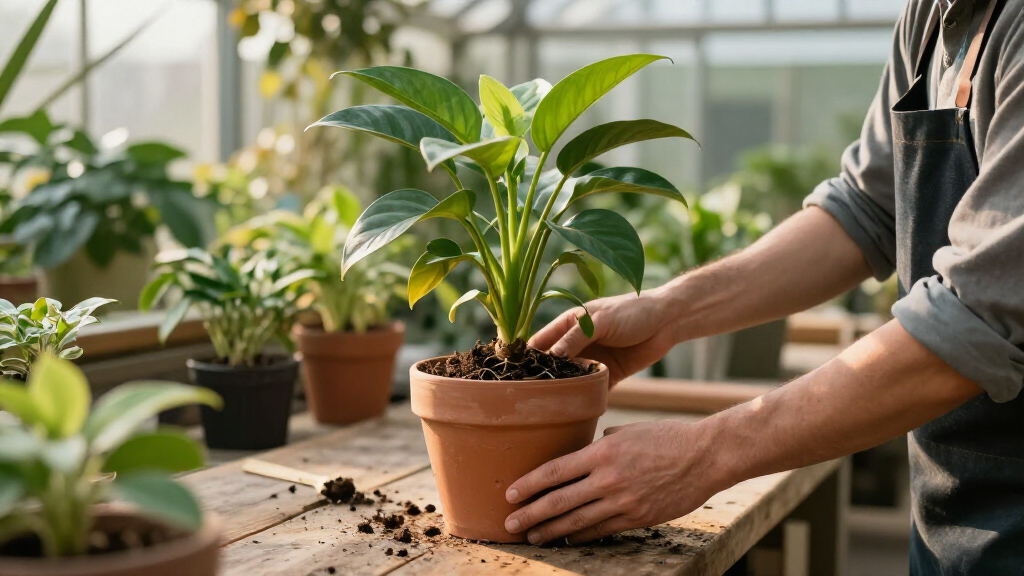
The article describes a plant as pot-bound, or root-bound, when its roots grow densely around the inside of its container, leaving little room for further growth. It cautions that failing to repot a plant that has outgrown its pot can contribute to yellowing leaves and stunted growth. Its central point is that the timing should depend on the plant and its condition, rather than a fixed schedule applied to every houseplant.
The report names spider plants, African violets and jade plants among varieties that can do well in relatively snug pots. Julie Bawden-Davis, an indoor plant expert at Healthy Houseplants, says spider plants can go a couple of years without repotting. She advises checking for roots emerging from drainage holes or water passing through the pot unusually quickly. She also cautions that an oversized pot can leave soil wet for longer, increasing the risk of root rot.
African violets also generally do not need a large container, according to the report. Houseplant expert Lisa Eldred Steinkopf says standard varieties often need only a 4-inch pot. Rather than repotting simply because roots fill the container, the article advises checking for an elongated, exposed stem or declining growth. Jade plants, which the report describes as slow-growing, may be repotted every three to four years; Bawden-Davis advises looking for water that rushes through the pot and soil that dries quickly between waterings.
Less Repotting, With Plant Checks
For indoor gardeners, the guidance offers a practical distinction between plants that tolerate close-fitting pots and plants that have outgrown their containers. Avoiding unnecessary repotting can save time and reduce the chance of moving a plant into a container that holds too much damp soil. That concern is particularly relevant to spider plants and succulents, which the report says may be vulnerable to root problems when soil stays wet.
The advice is not a reason to leave every plant untouched. Root crowding can limit a plant’s ability to take up water and nutrients, and signs such as roots at drainage holes, fast-drying soil or a bare, elongated stem may call for inspection or repotting. Readers should use the symptoms alongside the plant’s normal care needs, rather than treating the article’s examples as a universal rule.
Products Worth Considering

Cuisinart CPZ-120 Indoor Pizza Oven, Stainless Steel

Le Creuset Enameled Cast Iron Round Bread Oven, 9.5-Inch, Cerise

KitchenAid Classic Series 4.5 Quart Tilt-Head Stand Mixer K45SS, Onyx Black
As an affiliate, we earn on qualifying purchases.
How the Eight-Plant Guide Frames Care
The Homes & Gardens report places its advice in a fall care routine, when shorter days can slow growth for many indoor plants. It encourages readers to review which plants need a larger container and which can remain where they are. The source names eight houseplants, but the supplied report excerpt ends during its Alocasia section; details for the remaining plants are not available in the material provided.
The article’s recommendations are attributed to two plant specialists: Julie Bawden-Davis, who runs Healthy Houseplants, and Lisa Eldred Steinkopf, known as The Houseplant Guru. Their advice focuses on observing plant-specific indicators. For African violets, a drooping plant or bare stem may prompt an inspection; the report also notes that a lack of flowers alone does not show that the pot is too small, since light and watering can affect flowering.
“Spider plants like to be root-bound and will protest when they are potted into too big of a container by dying back.”
— Julie Bawden-Davis, indoor plant expert at Healthy Houseplants
Which Plants Need Repotting
The guidance does not establish one schedule that suits all specimens. Plant age, growth, watering and growing conditions can affect when a container becomes too restrictive, and the report recommends watching for symptoms rather than relying only on elapsed time. The supplied source excerpt does not include the full care details for all eight plants, so it cannot support specific repotting advice for the four varieties not covered in the excerpt.
The source also does not provide comparative research or trial data for its recommendations. Its statements are presented as expert gardening advice, not as a formal study. Readers should seek more specific guidance if a plant continues to decline after they inspect its roots and care conditions.
Inspect Roots Before Moving Pots
The report’s practical next step is to check plants before repotting: look at drainage holes, how quickly water runs through the pot, how fast the soil dries, and whether stems or leaves show changes. If those signs suggest crowding, choose a suitable pot and growing medium for the particular plant rather than automatically choosing a much larger container.
As indoor growth slows in fall, owners can review their routine and continue monitoring plants through the season. The article provides no announcement of a follow-up study or new care guidance; the immediate takeaway is to repot when a plant’s condition warrants it, while allowing suitable varieties to remain snug in their pots.
Key Questions
What does it mean for a houseplant to be pot-bound?
A plant is pot-bound, or root-bound, when roots have grown densely around the inside of its container, leaving limited room for further growth.
Does a pot-bound plant always need a bigger pot?
No. The report says some plants tolerate or prefer snug pots. Check for signs such as roots emerging from drainage holes, water passing through quickly, or declining growth before deciding whether to repot.
How often should jade plants be repotted?
The article says jade plants may need repotting only every three to four years, but recommends judging by the plant’s condition. Soil that dries quickly and water that rushes through the pot can signal that it is time to inspect it.
Does an African violet need repotting if it stops flowering?
Not necessarily. The report says light and watering conditions can affect flowering. Check for other signs, such as an elongated exposed stem, crowded roots or declining growth.
Source: rss