TL;DR

Get garden gear delivered free with Prime
- Fast, free delivery on millions of items
- Prime Video, Amazon Music and more included
- Member-only deals all year
Greenhouse space heaters protect plants from cold by maintaining a minimum temperature, but the right heater size depends on heat loss, local winter conditions, and your crops’ needs—not floor area alone. Use a thermostat, reduce drafts, follow the manufacturer’s instructions, and plan for alarms or backup heat when a failure could damage plants.
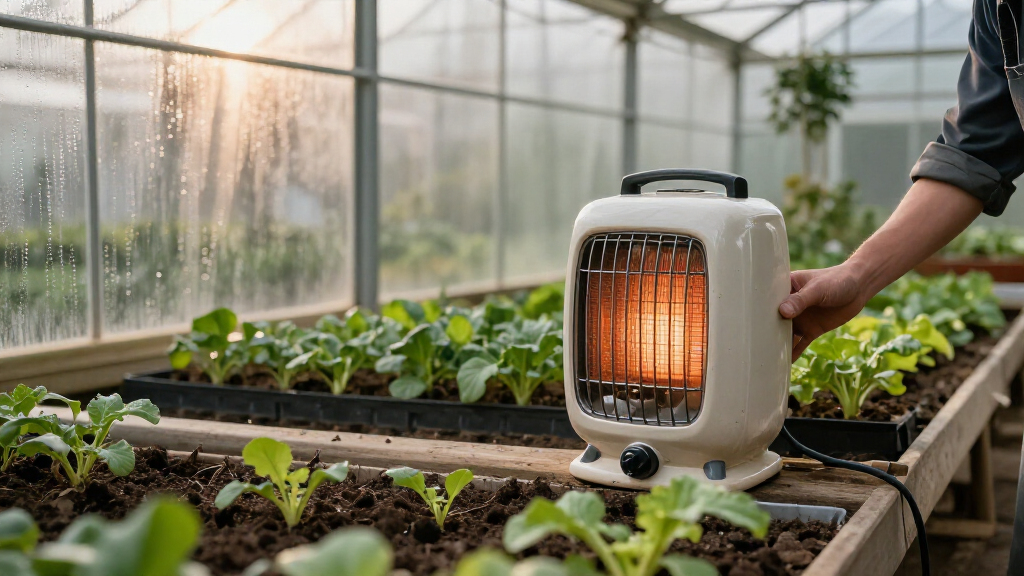
One frosty night can turn the corner of your greenhouse into a patchwork of limp leaves and blackened stems. Greenhouse space heaters help protect plants from cold by maintaining a minimum temperature, but buying the biggest heater you can find is rarely a sound plan.
You’ll get better results by matching the heater to your greenhouse’s heat loss, your local winter weather, and the coldest temperature your plants can tolerate. A thermostat, careful placement, and a backup plan matter just as much as the heater itself.
This guide walks you through sizing, comparing heater types, cutting heat loss, and setting up safer overnight monitoring. For example, a grower protecting a few frost-sensitive seedlings may need a different setup from someone keeping citrus trees actively growing through winter.
Size a heater using heat loss, glazing, drafts, local winter temperatures, and your target temperature—not floor area alone.
Set the thermostat for your most sensitive crop, and place its sensor near plant height away from direct heat and drafts.
Compare electric, fuel-burning, radiant, and heat-pump systems by running cost, approved use, installation needs, and climate performance.
Reduce drafts and use thermal curtains or targeted heating where suitable, while keeping essential ventilation available.
Follow manufacturer clearances and safety instructions, and use monitoring or a backup plan when a cold-night failure could harm plants.
Size your heater around heat loss, not floor space
A greenhouse heater should replace the heat your structure loses on the coldest nights when you need protection. That calculation depends on glazing, drafts, insulation, local outdoor temperatures, and your target indoor temperature. Floor area alone gives you only a rough starting point.
Think of heat like water in a bucket: a greenhouse with gaps and thin glazing springs leaks, while a sealed structure holds warmth longer. A small glass house in a windy, cold region may lose heat faster than a larger greenhouse with insulated panels and tight doors. The heater has to keep pace with those losses.
Before you buy, measure the greenhouse and note its glazing, obvious gaps, and the lowest temperatures typical for your area. Use a heat-loss or heater-sizing calculation that includes these details; ask a qualified heating professional when the setup is complex. A 6-by-8-foot greenhouse with single-pane glazing and a loose door needs a different estimate from a well-sealed lean-to, even if both grow the same herbs.
Write down the minimum temperature you need to maintain, too. If you’re protecting hardy greens from freezing, you may not need the same warmth as you would for actively growing tropical plants. Correct sizing helps the heater reach that target without relying on guesswork or constant full-power operation.
Products Worth Considering

Instant Pot Pro 8-Quart 10-in-1 Electric Pressure Cooker, Black

Cuisinart Chef's Classic 7-Piece Stainless Steel Cookware Set

Philips 2200 Series Fully Automatic Espresso Machine with Classic Milk Frother, 2 Coffee Varieties, Intuitive Touch Display, Ceramic Grinder
As an affiliate, we earn on qualifying purchases.
Compare heater types by their real tradeoffs
Greenhouse space heaters fall into several groups, and each brings a different mix of running cost, installation needs, and air-quality concerns. Electric resistance models avoid combustion gases inside the greenhouse but can cost more to run; fuel-burning units can provide substantial heat but need careful attention to venting and maintenance.
A heat pump can deliver more heat per unit of electricity than a resistance heater in suitable conditions, though upfront cost and cold-weather performance vary by system and climate. Radiant heaters warm plants and surfaces more directly than the surrounding air, which can work well for a defined growing zone. Placement matters: a poorly aimed unit may leave one bench warm and another cold.
Propane, natural-gas, and kerosene heaters need particular care. Unvented combustion can add moisture and release pollutants such as carbon monoxide and ethylene, which can harm people or plants. Never assume a model is suitable for enclosed greenhouse use just because its name suggests a greenhouse; check its approved use, manufacturer’s instructions, local requirements, and ventilation needs.
| Heater type | What it can offer | What to check |
|---|---|---|
| Electric resistance | Simple heating without combustion gases inside | Electricity cost and circuit suitability |
| Fuel-burning | Substantial heat where fuel is available | Approved use, venting, maintenance, and carbon-monoxide precautions |
| Radiant | Direct warmth for plants and surfaces | Coverage and manufacturer clearances |
| Heat pump | Potentially more heat per unit of electricity | Climate performance and system cost |
For example, a hobby grower with a small, close-to-home greenhouse may value the straightforward operation of an electric unit, while a larger site may compare heat pumps and fuel systems based on available service and energy prices.
Set a night temperature your plants can actually tolerate
Your overnight thermostat setting should match the coldest safe temperature for your most sensitive crop. There is no single minimum that suits every greenhouse, because a bed of hardy greens and a collection of tropical plants have different needs.
Make a short crop list before setting the dial. Note each plant’s cold tolerance and whether it must keep growing or only stay alive through winter. If you’re growing lettuce beside a tender potted citrus, the citrus may set the temperature target; grouping plants with similar needs can let you heat only the zone that needs extra warmth.
Put the thermostat sensor near plant height, away from the heater’s direct output, sunlight, and cold drafts. Otherwise, it can read a warm blast or a chilly pocket and switch the heater at the wrong time. For instance, a sensor mounted above a radiant unit could make the heater cycle off while seedlings at the far end remain cold.
A second minimum-temperature alarm or backup controller can give you an early warning if the main thermostat or heater stops working. Think of the thermostat as a driver maintaining speed and the alarm as a passenger calling out when the road changes. Smart thermostats and remote alerts can also help when you’re away overnight, but check current product details and local guidance before relying on any system.
Cut heat loss before you pay for more heat
Reducing heat loss can lower heating demand more effectively than simply installing a larger heater. Start with drafts, perimeter insulation, and nighttime thermal curtains, then heat only the growing area that needs protection.
Check door edges, vents, and glazing joints for leaks. Insulate the perimeter where appropriate, and close thermal curtains at night if your setup allows it. These changes act like putting on a windproof jacket: they help keep warmth where you want it. A grower who seals a loose door and adds a night curtain may reduce the work the heater must do, though the actual savings depend on the structure and weather.
Targeted heating can make sense if you have a bench of valuable seedlings inside a larger greenhouse. A radiant unit may warm that zone without trying to keep every cubic foot at the same temperature. Air circulation fans can also reduce cold spots and spread warmth more evenly, but they do not create heat; use gentle airflow so leaves aren’t stressed.
Don’t seal the greenhouse so tightly or drape curtains so carelessly that you block essential ventilation. Stale, damp air can encourage disease. Check plants and surfaces for condensation, and maintain the ventilation your crops and equipment require. Efficiency is useful only when the growing space stays suitable for plants.
Protect people, pets, and plants around the heater
Safe greenhouse heating starts with the manufacturer’s placement and installation instructions. Keep the heater clear of water, leaves, plastic sheeting, and stored fuel, and use a suitable electrical circuit and outdoor-rated connections where required.
Follow the stated clearances instead of squeezing a heater into the only open corner. Leaves can dry and curl near hot surfaces, while plastic curtains or sheeting can melt if they sit too close. For example, a heater beside a watering bench may seem convenient, but splashes and pooled water create an avoidable hazard.
Fuel-burning equipment calls for appropriate ventilation, maintenance, and carbon-monoxide precautions. Combustion can harm people as well as plants, especially if fumes collect in an enclosed space. Have equipment installed or checked by a qualified professional when required, and follow local rules and product guidance for its approved use.
Keep clearances, ventilation, and electrical protections exactly as the heater manufacturer specifies. A heater marketed for greenhouse use still needs to be approved for the way you plan to operate it.
Also consider who can enter the greenhouse. Keep controls, hot surfaces, fuel, and cords away from children and pets. After watering, check that no connection sits in a damp spot. A few minutes spent checking the setup can prevent a damaged plant bench or a much more serious incident.
Use a simple cold-night routine to catch problems early
A dependable cold-night routine checks the forecast, tests the controls, and gives you a way to respond if temperatures drop. Monitoring and backup planning matter most when a heater failure could damage valuable or sensitive plants.
- Check the forecast and target: Confirm the coldest conditions expected and the minimum temperature your plants need.
- Inspect the heater: Look for blocked airflow, loose connections, fuel issues, or anything too close to the unit; follow its care instructions.
- Check the sensor: Make sure it sits near plant height, away from direct heat and drafts, and that the thermostat responds as expected.
- Confirm an alert or backup: Test your temperature alarm if you have one, and know how you’ll protect the most sensitive plants if the power or heater fails.
Imagine a forecast calls for a sharp overnight freeze while you’re away. A remote alert could tell you the greenhouse is cooling before you return, while a planned backup might let you move tender seedlings or use an approved secondary heat source. The right response depends on your equipment and safe options; don’t improvise with a heater in a way its instructions don’t allow.
Solar-assisted systems and renewable electricity can contribute heat, but winter output may be limited by short, cloudy days. Storage or a conventional backup may still be needed. Check current product specifications, local guidance, energy prices, and your greenhouse’s heat loss before counting on a new system through the coldest stretch of the year.
Frequently Asked Questions
What size heater do I need for my greenhouse?
Estimate heat loss using your greenhouse dimensions, glazing, insulation, air leakage, local winter temperatures, and desired indoor temperature. A small, drafty structure can need more capacity than a larger, well-sealed one. Use a heat-loss or heater-sizing calculation rather than floor area alone.
What temperature should I keep my greenhouse at overnight?
Set the thermostat for the coldest safe temperature of your most sensitive crop. Hardy greens and tender tropical plants can need different conditions, so group plants with similar needs when you can. Place the sensor near plant height and away from direct heater output and drafts.
Are electric or propane greenhouse heaters better?
Electric resistance heaters avoid combustion gases inside the greenhouse, but their running cost can be high. Propane heaters can provide substantial heat, but combustion, ventilation, maintenance, and safe installation need careful attention. Compare approved use, energy cost, and the needs of your structure before choosing.
Can I use an unvented propane heater in a greenhouse?
Unvented combustion can add moisture and release pollutants such as carbon monoxide and ethylene. Check the heater’s approved use and local requirements, and consult a qualified professional about ventilation and installation. Don’t assume a product is safe for enclosed use because it’s sold for greenhouse heating.
How can I lower greenhouse heating costs?
Seal drafts, insulate the perimeter where practical, use nighttime thermal curtains, and heat only the growing zone that needs protection. A thermostat helps prevent unnecessary heating, while gentle fan circulation can reduce cold spots. Keep ventilation available so moisture doesn’t build up and encourage disease.
Conclusion
Choose your greenhouse heater by starting with two facts: how much heat your structure loses and how cold your most sensitive plants can safely get. Then match the equipment, thermostat, and safety setup to those needs, and reduce drafts before asking the heater to work harder.
On a frosty morning, the best sign of a good setup is simple: your plants are steady, the thermometer is where it should be, and you can smell damp earth rather than hot plastic or exhaust.